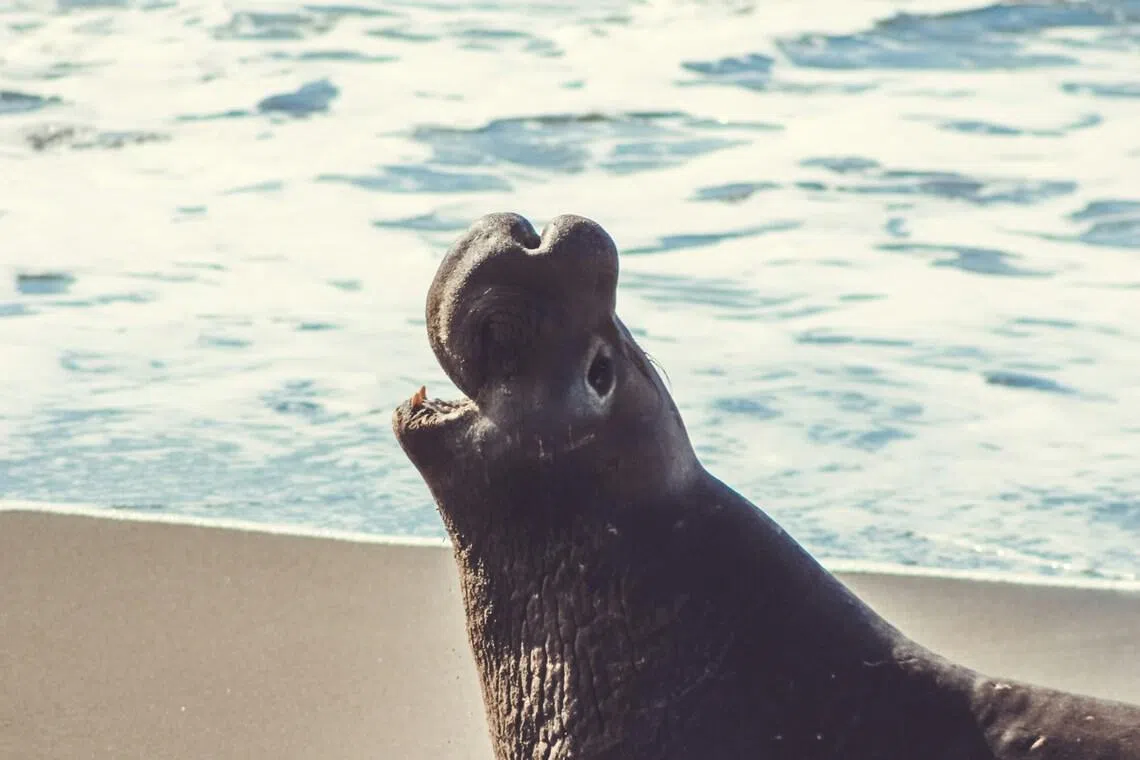
Bird Flu Confirmed in California Elephant Seals at Año Nuevo State Park
Highly pathogenic avian influenza (HPAI) H5N1 has been confirmed in northern elephant seals at California's Año Nuevo State Park. This marks the first detection of the virus in marine mammals in California, with seven weaned pups testing positive. The outbreak has led to the temporary closure of park viewing areas and cancellation of tours.
Key Highlights
- H5N1 bird flu confirmed in California elephant seals.
- Año Nuevo State Park is the site of the outbreak.
- Seven weaned elephant seal pups have tested positive.
- Park tours and viewing areas have been temporarily closed.
- This is the first detection in California marine mammals.
- Previous H5N1 outbreaks have severely impacted elephant seals globally.
Highly pathogenic avian influenza (HPAI) H5N1 has been confirmed in northern elephant seals at California's Año Nuevo State Park, marking the first instance of this virus being detected in marine mammals in the state. The U.S. Department of Agriculture's National Veterinary Services Laboratory confirmed the positive tests in seven weaned elephant seal pups on Tuesday evening. Researchers from UC Davis and UC Santa Cruz, who have been conducting enhanced surveillance due to concerns about avian influenza spread, identified the initial signs of illness in the seals between February 19th and 20th. The sick animals exhibited abnormal respiratory and neurological symptoms, including tremors and weakness. Samples collected from these seals and submitted for testing at the California Animal Health and Food Safety Laboratory System initially indicated the presence of avian influenza, which was subsequently confirmed as HPAI H5N1 by the USDA.
This outbreak has led to the temporary closure of Año Nuevo State Park's seal viewing areas and the cancellation of its popular guided elephant seal tours for the remainder of the breeding season. These measures are being implemented out of an abundance of caution to protect both the animals and the public, and to prevent potential disease spread.
The H5N1 virus has a history of causing devastating impacts on elephant seal populations. In 2023, a significant outbreak in Argentina led to the deaths of over 17,000 southern elephant seals, with a mortality rate of approximately 97% among pups. Similarly, research from late 2025 indicated a severe impact on southern elephant seals in South Georgia, with a 47% decline in breeding females following the virus's arrival in 2023. The virus has spread globally, originating in China in 1996 and reaching North America in 2021, and has since been detected in commercial poultry, backyard flocks, wild birds, and various mammals, including humans.
Scientists are actively monitoring the Año Nuevo elephant seal colony, which is one of the most intensively studied in the world. Researchers from UC Santa Cruz have been monitoring the colony for over six decades, collecting extensive data on individual seals' survival, reproduction, and behavior. This long-term dataset is crucial for understanding the potential near and long-term impacts of this outbreak on the population. Teams from UC Santa Cruz, UC Davis, and California State Parks monitor the animals year-round, with increased vigilance during the breeding season, which runs from mid-December through March. Approximately 1,350 seals were present on the beach when the outbreak began.
While the virus is considered a low risk to humans, officials advise the public to avoid approaching sick or dead marine mammals and to keep pets away from these animals. Anyone encountering a sick, injured, or dead marine mammal in California is urged to contact the NOAA Fisheries West Coast Region Stranding Hotline.
The rapid detection of this outbreak is attributed to coordinated surveillance teams that have been on high alert for this disease. Despite the concerning confirmation, researchers are cautiously optimistic as most adult females had already departed the beach for their routine migrations before the outbreak began, and the majority of the seals on the colony appear healthy.
This event is the first confirmed HPAI H5N1 detection in marine mammals in California and the first detection in northern elephant seals. Previous outbreaks in U.S. marine mammals occurred in Maine in 2022 and Washington state in 2023, attributed to direct spillover from infected birds. The virus has been detected in all U.S. states and Canadian provinces. Scientists continue to investigate how the seals contracted the virus, with the hypothesis that they may have contracted it from sick or dead seabirds.
Frequently Asked Questions
What is avian influenza (bird flu)?
Avian influenza, commonly known as bird flu, is a disease caused by influenza Type A viruses. It primarily infects birds but can also affect mammals, including humans, though human infections are rare. The highly pathogenic strain, H5N1, is of particular concern due to its severity in birds and its ability to spread to other species.
Why are elephant seals vulnerable to bird flu?
Seals and sea lions, including elephant seals, appear to be particularly vulnerable to the H5N1 virus. This vulnerability has been observed in previous outbreaks, where the virus has caused significant mortality in marine mammal populations. Scientists are still studying the exact mechanisms of this vulnerability and how the virus spreads among these animals.
Is the bird flu outbreak a risk to humans?
The virus is considered to be a low risk to humans. However, as a general precaution, it is advised to avoid approaching sick or dead marine mammals and to keep pets away from them.
What is Año Nuevo State Park known for?
Año Nuevo State Park, located in California, is famous for its large breeding colony of northern elephant seals. Thousands of these marine mammals gather on the park's beaches every winter to mate, give birth, and nurse their young, attracting many visitors.