Iran-US-Israel War: Hormuz Closure, Power Plant Threats Escalate
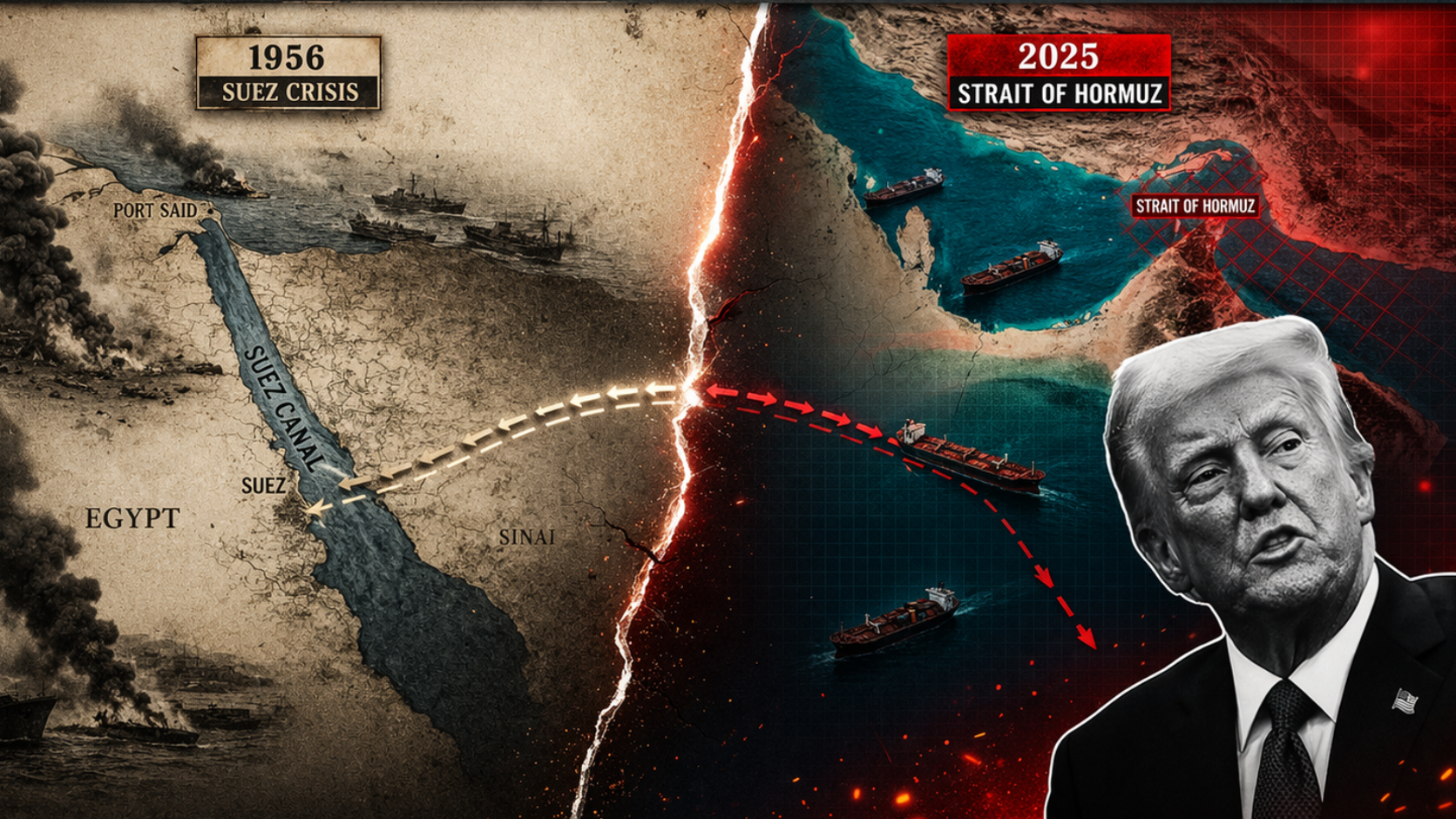
An intensifying four-week-long conflict in the Middle East sees Iran threaten to completely close the Strait of Hormuz and target power plants in response to a US ultimatum from President Donald Trump. The crisis has severely disrupted global oil trade and sparked international concern over energy and regional stability.
Key Highlights
- Iran threatens full Strait of Hormuz closure amidst US ultimatum.
- US President Trump warns of striking Iranian power plants.
- Middle East war, ongoing for four weeks, severely impacts global energy.
- Iran denies direct talks, extending uncertainty despite Trump's claims.
- India faces significant impact due to reliance on West Asian urea.
- Global oil prices surge and stock markets fall due to regional instability.
The Middle East is currently grappling with a rapidly escalating, four-week-long armed conflict involving Iran, the United States, and Israel, which began around February 28, 2026. This severe geopolitical crisis has been marked by a dramatic exchange of threats, particularly concerning the vital Strait of Hormuz and critical infrastructure. The United States, under President Donald Trump, issued a 48-hour ultimatum to Iran, demanding the full reopening of the Strait of Hormuz and threatening to "obliterate" Iranian power plants if the demand was not met.
Iran, in a swift and stern response, warned that it would completely close the Strait of Hormuz if the US were to attack its power plants. The Islamic Revolutionary Guard Corps (IRGC) explicitly stated that the Strait would remain closed until any damaged Iranian power plants were rebuilt. Furthermore, Iran's Parliament Speaker Mohammad Baqer Qalibaf cautioned that targeting Iran's infrastructure would lead to the irreversible destruction of vital infrastructure across the region, including energy and desalination facilities critical for drinking water in Gulf nations. Iran also threatened to target US-linked energy, technology, and water infrastructure in the Gulf, and power plants in countries hosting American bases.
The Strait of Hormuz, a crucial choke point for global energy trade, has been effectively closed to most commercial shipping due to Iranian strikes since February 28, 2026. This disruption has had a profound impact, with approximately one-fifth of the world's daily oil supply normally passing through it. The halting of tanker movement has pushed up fuel prices globally and sent shockwaves through international markets, with Brent crude surging to $112 a barrel. The International Energy Agency (IEA) has warned that the crisis presents a "major, major threat" to the global economy, exceeding the combined impact of the 1970s oil shocks and the Russia-Ukraine war's effect on gas markets.
The conflict has intensified, with both the US and Iran threatening to target critical infrastructure. Reports indicate missile strikes near Israel's nuclear research facilities and Iranian retaliatory attacks on US military bases in Gulf states. Israel has also conducted strikes in Iran and Lebanon, while Iran has claimed strikes in the Negev Desert were in retaliation for an attack on its Natanz nuclear enrichment site. Amnesty International has condemned Trump's threats against Iran's power plants as potential war crimes, emphasizing that intentionally attacking civilian infrastructure is generally prohibited.
Amidst this escalation, there have been tentative diplomatic developments. US President Donald Trump initially extended his deadline for Iran to reopen the Strait of Hormuz by five days, citing ongoing discussions with a "respected" Iranian leader and suggesting that Iran "wants to make a deal." However, Iranian officials have denied any direct negotiations, characterizing Trump's announcement as an attempt to reduce energy prices and gain time, and reiterating their commitment to fight "until complete victory." Despite Iran's denial of direct talks, reports suggest that a 15-point peace plan from the Trump administration was conveyed to Iran through Pakistan.
The broader context of this conflict involves President Trump's return to office in 2025 and the preceding "Twelve-Day War" in June 2025, where the US and Israel launched airstrikes against Iran, killing its Supreme Leader Ayatollah Ali Khamenei. This current conflict, now in its fourth week, has resulted in over 2,000 fatalities, with tens of thousands of foreign citizens stranded. The implications for global mobility and supply chains are severe, with the Strait of Hormuz crisis causing a sharp decline in maritime transit and increased shipping insurance rates.
For an Indian audience, the relevance is particularly high. India's dual dependence on West Asia for urea production is threatened, impacting both domestic production and the stability of its supply chain. Additionally, the disruption to the Strait of Hormuz impacts global oil and liquefied natural gas supplies, directly affecting India's energy security. Two India-flagged LPG carriers, Jag Vasant and Pine gas, successfully transited through the Strait of Hormuz on March 23, 2026, according to the Ministry of Ports, Shipping and Waterways, indicating ongoing efforts to maintain some level of trade amidst the crisis. The ongoing instability, surging oil prices, and potential for a wider regional conflict pose significant economic and strategic challenges for India.
Frequently Asked Questions
What is the primary cause of the current escalation between Iran, the US, and Israel?
The current escalation stems from an ongoing war in the Middle East, initiated around February 28, 2026, involving joint military strikes by the United States and Israel on Iran. This conflict has led to a series of retaliatory threats and actions, including a US ultimatum regarding the Strait of Hormuz.
Why is the Strait of Hormuz so crucial, and what is Iran threatening to do?
The Strait of Hormuz is a vital maritime chokepoint through which approximately one-fifth of the world's daily oil supply and significant volumes of LNG pass. Iran has threatened to completely close the Strait if the United States attacks its power plants, and has effectively halted shipping traffic since the conflict began.
What has been the global economic impact of this conflict?
The conflict has caused significant global economic disruption, including a surge in oil prices (Brent crude reaching $112 a barrel) and a sharp decline in international stock markets. The International Energy Agency has described it as 'the largest supply disruption in the history of the global oil market'.
Are there any diplomatic efforts underway to de-escalate the situation?
Yes, US President Donald Trump announced a five-day pause on strikes against Iranian energy sites, suggesting 'productive negotiations' and a potential peace plan. However, Iranian officials have denied any direct talks, maintaining their stance of fighting until 'complete victory'.
How does this conflict affect India?
India is significantly affected due to its dual dependence on West Asia for urea production, which impacts its domestic agricultural sector. The disruption in the Strait of Hormuz also threatens India's energy security by affecting global oil and gas supplies.