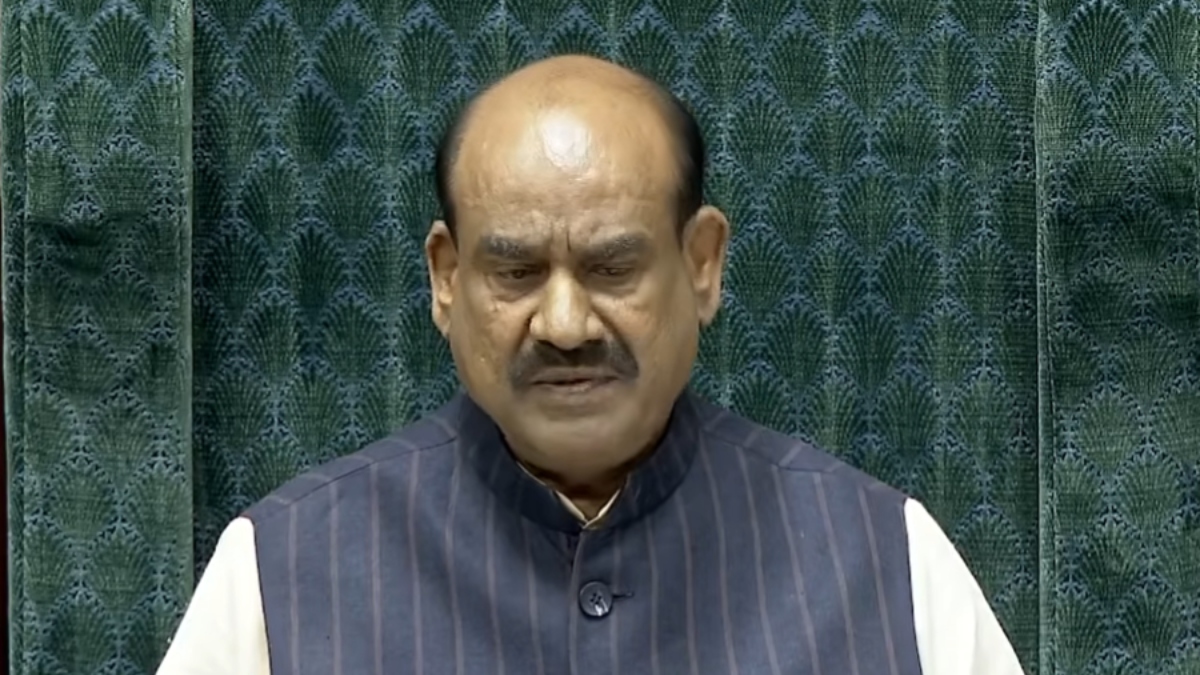
Rahul Gandhi warns of severe India impact from US-Iran war
Rahul Gandhi has cautioned that the ongoing conflict between the US, Israel, and Iran could have significant economic repercussions for India, particularly concerning energy security and supply chains. He highlighted the vulnerability of India's dependence on the Strait of Hormuz for oil and gas imports, warning that escalating tensions could lead to price hikes and slower economic growth.
Key Highlights
- Gandhi warns of dire economic consequences for India due to the US-Iran conflict.
- India's energy security is under threat due to reliance on the Strait of Hormuz.
- Escalating West Asia tensions could lead to increased fuel prices in India.
- Rahul Gandhi criticized the government's silence on the escalating global crisis.
- The conflict could disrupt India's economic growth and exacerbate inflation.
- Concerns raised about India's strategic autonomy in energy sourcing decisions.
Congress leader Rahul Gandhi has issued a stark warning regarding the potential economic fallout for India from the escalating conflict between the United States, Israel, and Iran. Speaking in the Lok Sabha, Gandhi emphasized that the ongoing hostilities in West Asia could have far-reaching consequences for India, particularly affecting its energy security and overall economy. He specifically highlighted the critical importance of the Strait of Hormuz, through which a substantial portion of India's oil and Liquefied Natural Gas (LNG) imports transit. Any disruption or closure of this vital maritime route, he cautioned, would directly impact India's economic stability and energy supplies, potentially leading to significant price increases for fuel and other essential commodities.
Gandhi's concerns are echoed by various analyses that detail India's heavy reliance on energy imports from the Gulf region. India imports over 85% of its crude oil and a significant portion of its LNG from countries like Saudi Arabia, Iraq, the UAE, and Qatar. The disruption of the Strait of Hormuz, a key chokepoint for global oil and gas flow, could paralyze these imports. Reports suggest that India's Strategic Petroleum Reserves (SPR) are insufficient to cushion against prolonged supply shocks, unlike some other nations that have aggressively stockpiled reserves.
The potential economic impact on India is multifaceted. Surging crude oil prices, a direct consequence of such disruptions, could drive 'imported inflation,' widen the Current Account Deficit, and potentially derail India's projected economic growth rate. A prolonged crisis could also lead to a weakening of the Indian Rupee and stoke inflationary pressures across various sectors. The impact extends beyond energy, affecting industries reliant on raw materials sourced from the Gulf, such as cement, steel, and even the gems and jewelry sector.
Gandhi also touched upon the geopolitical complexities, suggesting that the conflict, while appearing to be between the US, Israel, and Iran, might involve larger global powers like the US, China, and Russia. He questioned India's current foreign policy stance and its energy sourcing decisions, implying a loss of strategic autonomy. He articulated that a nation of India's size should have the sovereign right to decide its energy partnerships, rather than being influenced by other countries.
In response to the escalating situation, India's Ministry of External Affairs has engaged in diplomatic talks, with External Affairs Minister S. Jaishankar speaking to his Iranian counterpart about the safety of shipping and India's energy security. The government has also been facilitating the repatriation of Indian nationals from Iran amidst the deteriorating security situation.
The Hindustan Times, as a news source, is generally considered to be a reputable publication. While some analyses suggest a Center or Center-Left bias, it is a widely circulated English-language daily in India. The claims made by Rahul Gandhi regarding the impact of the US-Iran conflict on India's economy and energy security are corroborated by several reports from various news outlets and analyses from think tanks. These sources consistently highlight India's vulnerability to disruptions in the Strait of Hormuz, the potential for increased inflation, and the widening of the current account deficit.
Gandhi's statement that the "pain has just started" reflects the growing concerns about the sustained impact of such geopolitical events on India's economic well-being. The situation underscores the interconnectedness of global politics and economics, with regional conflicts having tangible and immediate effects on nations far removed from the conflict zone. The urgency of the situation is high given the potential for significant economic disruption, affecting a large population.
Further context from related articles suggests that parliamentary discussions on such matters have been contentious, with the opposition demanding more substantive debates and government responses. The overarching theme is the potential for significant economic and energy security challenges for India stemming from the conflict in West Asia, a point effectively conveyed by Rahul Gandhi's warning.
Frequently Asked Questions
What specific impacts did Rahul Gandhi warn about for India due to the US-Iran conflict?
Rahul Gandhi warned of significant impacts on India's economy and energy security. He specifically highlighted concerns about disruptions in oil and gas supplies via the Strait of Hormuz, potential price hikes for fuel, and a slowdown in economic growth.
Why is the Strait of Hormuz important for India?
The Strait of Hormuz is a crucial maritime chokepoint through which a substantial portion of India's oil and LNG imports pass. Its disruption can severely affect India's energy supply and import costs.
How does a US-Iran war typically affect India's economy?
A war involving Iran and the US can lead to a surge in global oil prices, causing 'imported inflation' in India, widening the current account deficit, weakening the rupee, and potentially slowing down economic growth due to increased import costs and supply chain disruptions.
What is India's stance on the US-Iran conflict?
India's Ministry of External Affairs has stated that they are closely monitoring the situation and have engaged in diplomatic talks regarding shipping safety and energy security. The government aims to prioritize national interests, including energy security and trade flows.