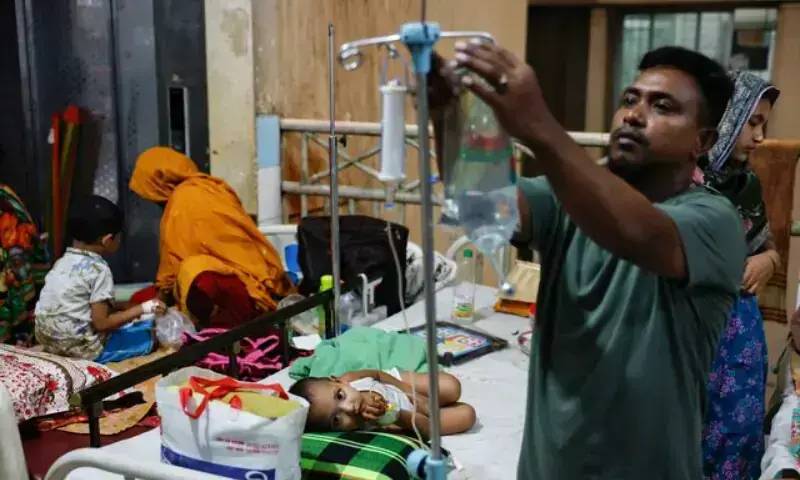
Bangladesh Measles Outbreak: Child Deaths Rise Amid Vaccination Drive
Bangladesh is grappling with a severe measles outbreak, reporting 194 child deaths and over 28,000 suspected cases as of April 23, 2026. The crisis, largely affecting children under five, is attributed to immunity gaps and delayed vaccination campaigns. Authorities have launched an emergency nationwide vaccination drive.
Key Highlights
- Bangladesh reports 194 child deaths from measles outbreak.
- Over 28,000 suspected measles cases recorded since mid-March.
- Outbreak predominantly affects children under five, especially under two.
- Delayed 2024 vaccination drive due to political instability exacerbated crisis.
- Emergency vaccination campaign targeting 18 million children underway.
- WHO and UNICEF are supporting Bangladesh in response efforts.
Bangladesh is currently facing a critical and escalating measles outbreak, with the death toll among children reaching 194 as of April 23, 2026. Government data indicates that the number of suspected child cases has surged to over 28,000 since the outbreak began on March 15, 2026, marking it as the nation's worst measles crisis in decades.
The initial article from Telegraph India, published on April 23, 2026, accurately reported at least 30 confirmed deaths, citing the World Health Organization (WHO) data available as of April 14, 2026. This figure specifically referred to laboratory-confirmed fatalities. However, the wider humanitarian and news community, including reports from Dawn, Pakistan Today, and The Straits Times, also dated April 23, 2026, provided a more comprehensive picture, detailing 194 total child deaths, which likely encompasses both confirmed and suspected cases from the rapidly evolving situation. Additionally, a ReliefWeb situation report published on April 16, 2026, stated 164 suspected deaths with 30 confirmed as of April 14, 2026, corroborating the specific number cited by Telegraph India.
The outbreak disproportionately impacts young children, with approximately 80% of cases occurring in those under five years of age, and a significant number among infants under two years, many of whom are not yet eligible for routine immunization. Mortality is primarily observed in unvaccinated children, highlighting significant immunity gaps within recent birth cohorts.
Health experts and officials attribute the severity of the outbreak to several factors, primarily immunity gaps within the population and disruptions to vaccination programs. A crucial measles drive planned for June 2024 was unfortunately delayed due to political instability and a deadly uprising that toppled the previous government of Sheikh Hasina. Furthermore, the COVID-19 pandemic had previously shifted governmental focus away from routine immunization campaigns, contributing to a decline in vaccination coverage in recent years.
In response to the deepening crisis, the Bangladeshi government has launched a robust nationwide measles-rubella vaccination program. This emergency campaign, which began on April 5, 2026, aims to vaccinate 18 million children aged 6 to 59 months, prioritizing high-incidence areas and expanding nationwide in phases. As of April 13, approximately 943,000 children had received vaccinations. The government is also receiving assistance from international bodies such as the UN children's agency (UNICEF) and the WHO, though challenges like a shortage of testing kits have been reported.
The crisis has prompted a significant mobilization of national authorities, including the deployment of rapid response teams, enhanced surveillance, strengthened laboratory capacity, and improved hospital preparedness for case management. While Bangladesh has historically made substantial progress in controlling infectious diseases through vaccinations, the current outbreak serves as a stark reminder of the critical importance of sustained immunization efforts and the vulnerability that arises from disruptions.
The relevance of this story for an Indian audience is high, given the long, active, and porous border between Bangladesh and India. Experts suggest that India should closely monitor the outbreak, as importation of cases into under-immunized pockets within India could lead to domestic challenges, even if it doesn't cause a national problem.
Frequently Asked Questions
What is the current scale of the measles outbreak in Bangladesh?
As of April 23, 2026, Bangladesh has reported 194 child deaths and over 28,000 suspected measles cases since the outbreak began in mid-March.
Why is the measles outbreak in Bangladesh so severe?
The severity is primarily due to significant immunity gaps among the population and disruptions in vaccination campaigns, including a delayed nationwide measles drive in 2024 caused by political instability.
Which age group is most affected by the outbreak?
The outbreak is predominantly affecting young children, with approximately 80% of cases among those under five years of age, and a notable number in infants under two years.
What measures are being taken to control the outbreak?
The Bangladeshi government has launched an emergency nationwide measles-rubella vaccination campaign targeting 18 million children. They are also receiving support from international organizations like WHO and UNICEF.
What is the relevance of this outbreak to India?
Given the shared border, the outbreak in Bangladesh poses a potential risk to India. Health experts recommend that India closely monitor the situation to prevent the importation of cases into under-immunized populations within its own borders.