India's Restaurant Industry Faces Severe LPG Crisis Amid West Asia Conflict
India's restaurant industry is grappling with a severe LPG shortage and rising prices, directly attributed to escalating tensions in West Asia and disruptions in critical shipping lanes. This crisis is forcing eateries nationwide to cut menus, reduce operations, or consider temporary closures, impacting livelihoods and the food service sector.
Key Highlights
- West Asia conflict disrupts Strait of Hormuz, key for India's LPG imports.
- Commercial LPG supply to restaurants severely hit across major Indian cities.
- Restaurants forced to cut menus, switch fuels, or face closures due to shortage.
- Government prioritizes domestic LPG, worsening commercial sector's supply crunch.
- Industry bodies warn of mass shutdowns and significant economic losses.
India's restaurant industry is currently facing a significant crisis stemming from a severe shortage and rising costs of commercial Liquefied Petroleum Gas (LPG). This critical situation is a direct consequence of escalating geopolitical tensions in West Asia, particularly disruptions in maritime movement through the Strait of Hormuz, a vital chokepoint for global energy trade and a key route for India's LPG imports.
Numerous credible sources, including The Logical Indian, National Herald, Forbes India, India Today, Business Standard, and Angel One, published on March 10th and 11th, 2026, corroborate the existence and severity of this ongoing crisis. The article from The Hindu, published on March 11, 2026, accurately reflects these widespread concerns and the challenging reality faced by eateries across the nation.
India is highly dependent on imports to meet its LPG requirements, with roughly 60% of its demand fulfilled by foreign sources, and a substantial 80-90% of these shipments traditionally passing through the Strait of Hormuz. The current instability in this region has led to tanker traffic disruptions, increased freight risks, and consequently, a tightening of India's energy supply chain, particularly for LPG. This has translated into visible shortages and supply challenges across major Indian cities like Mumbai, Bengaluru, Chennai, Delhi, and Kolkata.
In response to the crisis, the Government of India has invoked emergency provisions under the Essential Commodities Act, 1955, to safeguard domestic cooking gas supplies for over 33 crore households. The Ministry of Petroleum and Natural Gas (MoPNG) has directed domestic oil refineries to maximize LPG production by diverting propane and butane streams away from petrochemical manufacturing to prioritize household consumption. While this measure aims to protect the common household, it has inadvertently exacerbated the supply crunch for commercial users, including hotels and restaurants.
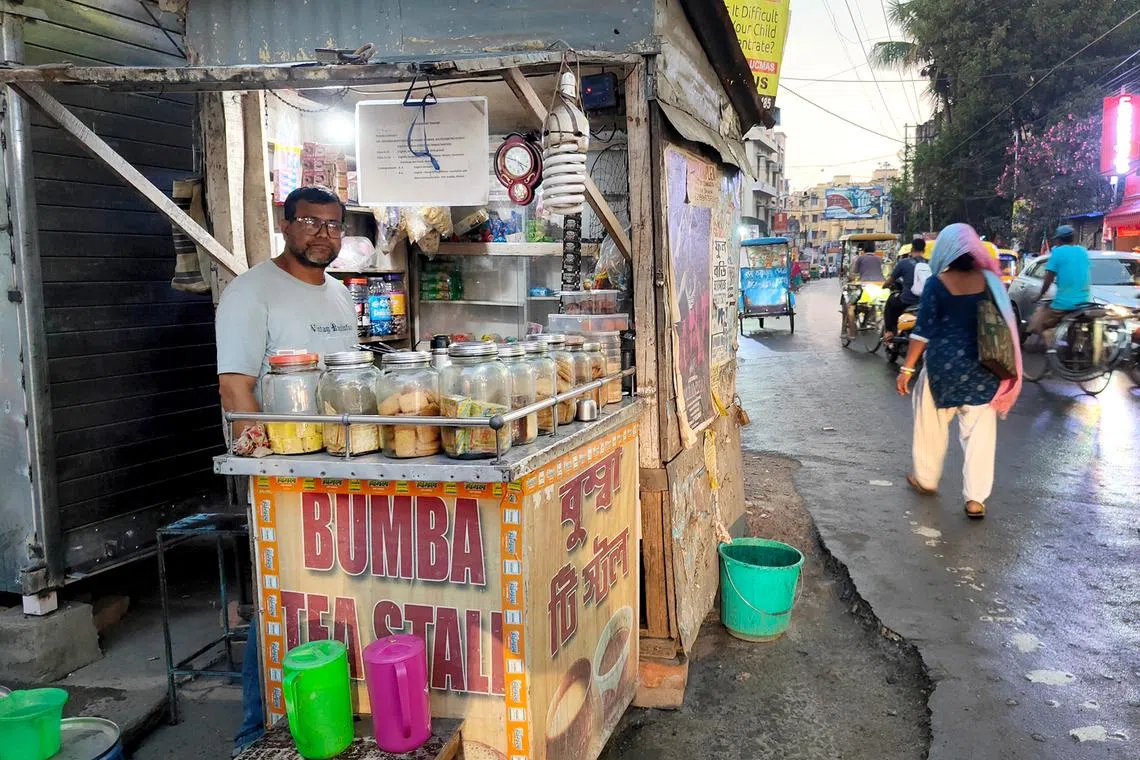
The impact on the Indian restaurant industry has been immediate and severe. Eateries across the country are reporting delayed deliveries and uncertain supplies of commercial LPG cylinders, their primary cooking fuel. This has forced many establishments to take drastic measures such as cutting down menus, especially high-gas-consumption items like Asian woks, fried rice, and certain slow-cooked dishes. Some restaurants are exploring or switching to alternative cooking methods like electrical induction cooktops or even traditional sigris, though this transition is not always seamless due to specific cooking requirements for certain dishes.
The severity of the situation is highlighted by statements from industry bodies. The National Restaurant Association of India (NRAI) has flagged the seriousness, stating that the industry is predominantly dependent on commercial LPG and any disruption could lead to catastrophic closures. The Indian Hotel & Restaurant Association (AHAR) and the Federation of Hotel & Restaurant Associations of India (FHRAI) have warned that a significant percentage of hotels and restaurants, potentially 20-50% in cities like Mumbai, have already temporarily closed or are at risk of doing so within days if supplies do not improve. They emphasize that the industry, a ₹6.6-lakh-crore ecosystem employing over 8 million people, could face daily economic losses of ₹1,200-1,300 crores.
Restaurateurs are appealing to the government to classify food services as an essential service to ensure uninterrupted commercial LPG supply, arguing that many people, including corporate employees, students, and migrant workers, rely on restaurants for their daily meals. The government has established a three-member committee of Executive Directors from state-owned Oil Marketing Companies (OMCs) to review commercial gas requirements, particularly for essential services like hospitals and educational institutions, but the broader restaurant sector still seeks clearer directives and consistent supply.
Commercial LPG cylinder prices have also seen volatility, with recent hikes impacting businesses. For instance, commercial cylinders saw a hike of ₹14 in February 2024, and domestic LPG prices also increased by ₹60 in March 2026. This dual challenge of scarcity and increased cost puts immense pressure on the already thin margins of many small and medium-sized eateries.
Overall, the article accurately captures a real and pressing crisis for India's restaurant industry, directly linked to international geopolitical events, with significant economic and social ramifications across the country. The claims are well-corroborated by multiple news organizations actively reporting on the unfolding situation. The headline accurately reflects the industry's struggle to cope with the crisis.
Frequently Asked Questions
What is causing the current LPG crisis in India?
The ongoing LPG crisis in India is primarily caused by escalating geopolitical tensions in West Asia, which have disrupted maritime movement and supply chains through the Strait of Hormuz. India heavily relies on LPG imports from this region, making its supply vulnerable to such conflicts.
How is the West Asia conflict impacting India's LPG supply?
The conflict has led to disruptions in critical shipping lanes, particularly the Strait of Hormuz, through which a significant portion of India's LPG imports passes. This instability causes delays, increased freight risks, and a tightening of the overall LPG supply to India.
What measures has the Indian government taken in response to the LPG crisis?
The Indian government has invoked emergency provisions under the Essential Commodities Act, 1955, to prioritize domestic household LPG supply. It has directed oil refineries to maximize LPG production and diverted propane and butane streams from petrochemical use to ensure cooking gas for homes.
How severely is the restaurant industry affected by the LPG shortage?
The restaurant industry is severely affected, facing delayed deliveries, uncertain commercial LPG supplies, and rising prices. Many establishments are cutting menus, reducing operating hours, or considering temporary closures. Industry bodies warn of mass shutdowns and substantial economic losses.
Are LPG prices increasing in India due to this crisis?
Yes, commercial LPG cylinder prices have seen recent hikes, and domestic LPG prices also increased in March 2026, adding to the financial burden on consumers and businesses.