Nepal Floods: 29 Arrested for Stealing Lakhs from Swept-Away Safe
Devastating flash floods in Nepal have led to significant loss of life and property. Amidst the tragedy, police arrested 29 individuals for looting approximately NPR 9.27 million from a safe swept away by floodwaters. Separately, two men were arrested for stealing jewellery from a deceased flood victim, sparking widespread outrage.
Key Highlights
- Nepal floods, caused by glacial collapse, killed hundreds in August 2026.
- A cash-filled safe was swept away by Bhotekoshi flood into Trishuli River.
- Police arrested 29 people in Dhading for looting the flood-swept safe.
- NPR 9.27 million (approx. 92.7 lakhs INR) was recovered from the suspects.
- Two men also arrested for stealing earrings from a deceased flood victim.
- The crimes occurred amidst widespread devastation and humanitarian crisis in Nepal.
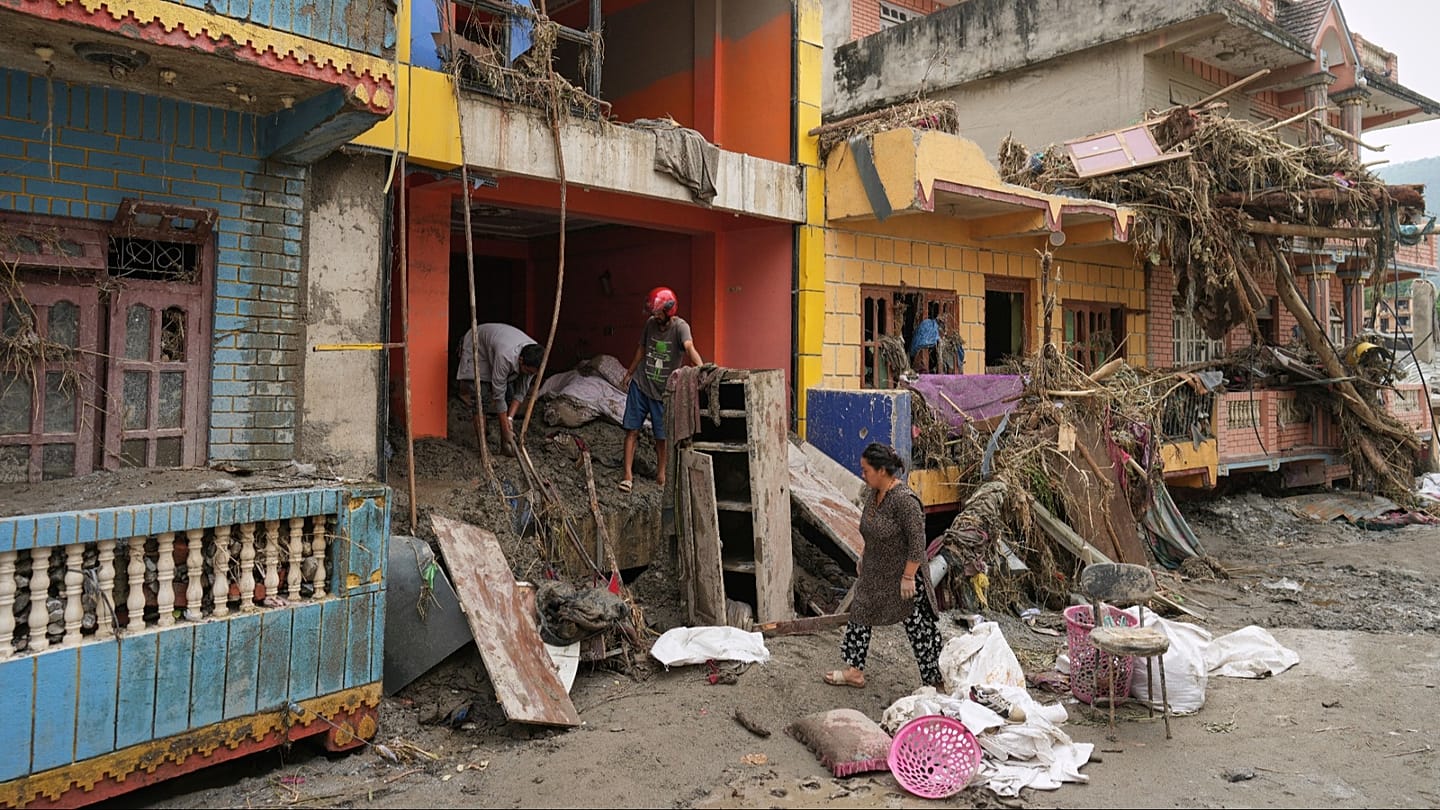
Nepal has recently faced a catastrophic natural disaster, as devastating flash floods, believed to be triggered by a glacial collapse along the Nepal-China border, struck the Himalayan nation around August 26, 2026. The floods primarily impacted the Rasuwa, Nuwakot, and Dhading districts, causing immense destruction and loss. Early reports indicated a staggering death toll, ranging from 359 to over 500 people, with hundreds more reported missing, including foreign nationals and at least 288 Indians who were uncontactable. The sudden surge of water in rivers like the Trishuli saw water levels rise by as much as nine meters in just half an hour, giving residents little to no time to escape. The widespread destruction encompassed homes, critical infrastructure such as roads, bridges, and hydropower stations, and telecommunication networks, rendering many affected areas inaccessible and severely hampering relief efforts. UNICEF reported that over 17,000 children were directly impacted by the disaster, highlighting the profound humanitarian crisis.
Amidst this national tragedy, two distinct but equally shocking incidents of theft have come to light. The first, and the primary focus of the NDTV article, involves the looting of a significant sum of money from a safe. A cash-filled safe, swept away by the raging Bhotekoshi flood from Rasuwa, was discovered along the banks of the Trishuli River in Dhading. Local residents reportedly broke open the safe and absconded with the cash before authorities could secure the area. Acting swiftly on information, the Nepal Police launched an investigation, which led to the arrest of 29 individuals in connection with the theft. From these suspects, the police successfully recovered approximately NPR 9,268,505, which translates to roughly 92.7 lakh Indian Rupees. The investigation is ongoing to determine the original amount of money present in the safe and its source, as well as to ascertain if other individuals were involved or if more money remains unaccounted for.
The second incident, which garnered widespread condemnation and was highlighted in related articles, involved the desecration of a flood victim's body. A distressing video circulated online, showing men allegedly stealing gold earrings from the body of a deceased woman. The victim's body had been swept downstream into the Narayani River, a tributary of the Trishuli. The footage, depicting individuals pulling the body from the water using a wooden plank and even the victim's hair to remove the jewellery, sparked immense public outrage across social media. Following a rapid police investigation based on the viral video, two suspects, identified as 25-year-old Madan Gurung and 38-year-old Umesh Chaudhary, were arrested in Bharatpur, Chitwan district. Chitwan District Police Chief Rameshwar Paudel unequivocally stated that authorities would not tolerate such inhumane acts targeting disaster victims or the deceased, pledging strict action against those exploiting the tragedy. These incidents underscore the challenges faced by authorities in maintaining law and order and ensuring the dignity of victims during large-scale natural disasters. The sheer scale of the floods, the resulting humanitarian crisis, and the subsequent acts of crime paint a grim picture of the multi-faceted challenges confronting Nepal. The proximity of the disaster to the Nepal-India border and the presence of Indian nationals among the missing have made this a relevant and concerning story for the Indian audience.
Frequently Asked Questions
What caused the recent devastating floods in Nepal?
The recent flash floods in Nepal, around August 26, 2026, are believed to have been triggered by a massive landslide and a glacial collapse along the Nepal-China border, leading to a sudden surge of water in rivers like the Trishuli.
How many people were affected by the Nepal floods, and are there international casualties?
The floods resulted in hundreds of deaths, with initial reports indicating between 359 and over 500 casualties, and hundreds more missing. Among the missing were foreign nationals, including at least 288 Indians, and citizens from countries like the US, Ukraine, Malaysia, Australia, and the UK.
What criminal activities occurred during the Nepal floods?
Amidst the disaster, two main criminal incidents were reported: 29 individuals were arrested in Dhading for looting approximately NPR 9.27 million from a safe swept away by the floods, and separately, two men were arrested in Chitwan for stealing gold earrings from the body of a deceased flood victim.
What is the status of the investigations into these thefts?
Nepal Police have made arrests in both cases. 29 people were detained in Dhading for the cash theft, with NPR 9.27 million recovered, and investigations are ongoing to trace the money's origin. Two individuals were arrested in Bharatpur for the jewellery theft from a deceased victim, with police vowing strict action against such inhumane acts.
What is the broader impact of the floods on Nepal?
The floods caused widespread destruction of homes, roads, bridges, hydropower facilities, and telecommunication networks. Over 17,000 children were impacted, and the disaster highlighted Nepal's vulnerability to climate change, with concerns about accelerating glacier melt in the Himalayas.