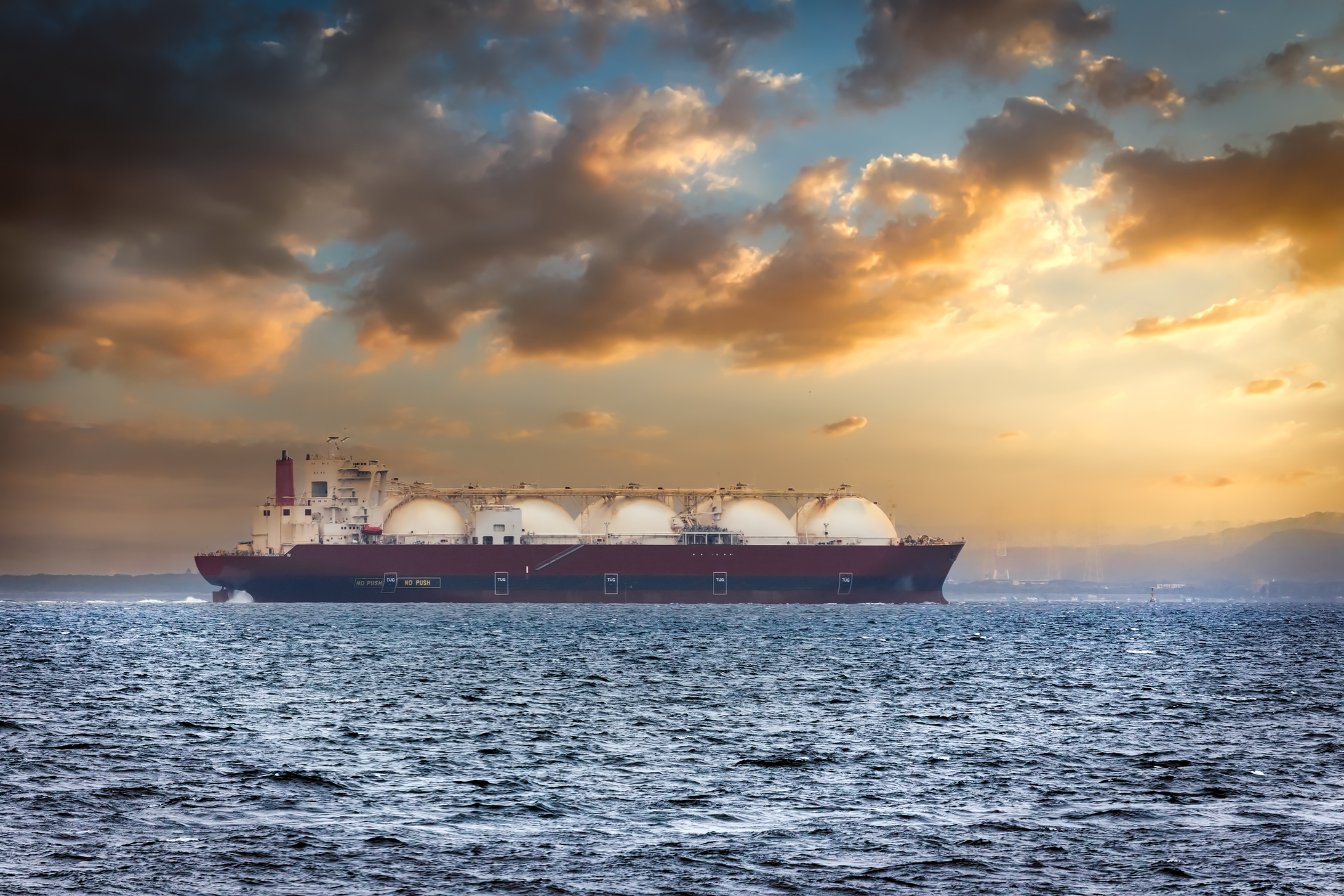
Iranian Strikes Cripple Qatar Gas Exports Amid Escalating Middle East War
Iranian retaliatory strikes on Qatar's Ras Laffan energy hub have severely damaged its LNG export capacity, threatening global gas supplies. The attacks, following an Israeli strike on Iran's gas fields, mark a significant escalation in the Middle East conflict, causing oil and gas prices to surge.
Key Highlights
- Iranian strikes inflicted extensive damage on Qatar's Ras Laffan LNG facilities.
- Qatar's LNG export capacity reduced by approximately 17% for 3-5 years.
- Attacks were retaliation for Israeli strikes on Iran's South Pars gas field.
- Global oil and gas prices surged in response to the escalation.
- Qatar to declare force majeure on long-term LNG contracts to Europe and Asia.
- US warned Iran of severe retaliation if attacks on Qatar's energy facilities continue.
The Middle East is experiencing a severe escalation of conflict following a series of strikes on critical energy infrastructure in both Iran and Qatar. On March 18-19, 2026, Iranian forces launched retaliatory attacks against Qatar's major liquefied natural gas (LNG) export facilities at Ras Laffan Industrial City, causing extensive damage and significantly disrupting global energy supplies.
These Iranian strikes were a direct response to earlier attacks by Israel on Iran's South Pars gas field, reportedly carried out with the backing of the United States. The South Pars field is the world's largest natural gas deposit, shared by Iran and Qatar, making the targeting of this vital resource a profound provocation.
According to QatarEnergy chief executive Saad Al Kaabi, the Iranian missile strikes have crippled approximately 17% of Qatar's LNG export capacity. The damage, concentrated at the Ras Laffan industrial hub, affected two of Qatar's 14 liquefaction trains and a gas-to-liquids facility. This disruption is projected to last between three to five years and is estimated to incur annual losses of about $20 billion for Qatar. As a consequence, QatarEnergy is expected to declare force majeure on long-term supply contracts, impacting major energy consumers in Europe and Asia, including Italy, Belgium, South Korea, and China.
The geopolitical ramifications of these attacks are significant, marking a sharp escalation in the ongoing Middle East conflict. Global energy markets have reacted dramatically, with oil and natural gas prices soaring. Brent crude, the international benchmark, reportedly surged above $116 per barrel, while European TTF natural gas prices rose by as much as 35%. This surge reflects widespread concerns over sustained supply disruptions and the potential for a prolonged "gas war" in the region.
International condemnation has followed, with Qatar's Prime Minister Sheikh Mohammed bin Abdulrahman Al Thani condemning the Iranian attacks on the main gas hub, highlighting their "significant repercussions for global energy supplies." Qatar also condemned Israel's initial strike on Iran's South Pars facilities and, in a significant diplomatic move, expelled Iranian diplomats. The United Arab Emirates also warned that targeting energy facilities is a "dangerous escalation" that threatens global energy security and regional stability. The European Union has called for an immediate moratorium on strikes targeting energy and water facilities, emphasizing the need to protect civilian infrastructure.
In response to Iran's retaliatory strikes, former U.S. President Donald Trump issued a stern warning, threatening to "massively blow up the entirety of the South Pars Gas Field" if Iran continued its attacks on Qatari LNG facilities. He stated that while the U.S. was unaware of Israel's initial attack on South Pars, Israel would refrain from further strikes unless Iran persisted in targeting Qatar. This highlights the intricate and volatile nature of the current conflict, with multiple regional and global powers involved. The closure of the Strait of Hormuz to most tanker traffic has further compounded fears of an extended energy crisis.
The incident not only affects immediate energy supplies but also raises long-term questions about energy security and the resilience of global supply chains. Partners in the damaged Qatari facilities include U.S. oil major ExxonMobil, which holds significant stakes in the affected LNG trains. The ongoing hostilities demonstrate a shift in modern warfare tactics towards economic disruption through supply chain vulnerabilities, creating cascading effects on worldwide markets beyond direct military confrontation.
For India, a country heavily reliant on energy imports, the escalation in the Middle East and the subsequent surge in oil and gas prices have profound economic implications, potentially leading to increased inflation and affecting its economic stability and energy security. The need for diversified energy sources and stable international relations becomes even more critical for India in this volatile global scenario.
Frequently Asked Questions
What caused Iran to strike Qatar's gas facilities?
Iran's strikes on Qatar's gas facilities were a direct retaliation for earlier attacks by Israel, reportedly with US support, on Iran's South Pars gas field, which is the world's largest natural gas deposit shared by Iran and Qatar.
What is the impact of these strikes on Qatar's gas exports?
The strikes have severely damaged Qatar's Ras Laffan LNG facilities, reducing its export capacity by approximately 17% for an estimated three to five years. This will lead to significant financial losses for Qatar and necessitate declaring force majeure on long-term supply contracts.
How do these attacks affect global energy markets?
The attacks have caused a sharp surge in global oil and natural gas prices due to concerns over prolonged supply disruptions from one of the world's major energy-producing regions. This escalation contributes to an ongoing energy crisis with global economic implications.
What has been the international reaction to this escalation?
International reactions include condemnation from Qatar and the UAE for targeting energy infrastructure, and strong warnings from the US (President Trump) against further Iranian attacks on Qatari facilities. The EU has called for a halt to all strikes on energy infrastructure.
What are the implications for countries like India?
As a major energy importer, India faces significant economic implications, including rising import bills, potential inflation, and concerns over energy security due to the instability and supply disruptions in the Middle East, a critical source of global energy.