US Air Power vs. Iran's Defense: A Clear Asymmetric Edge | Quick Digest
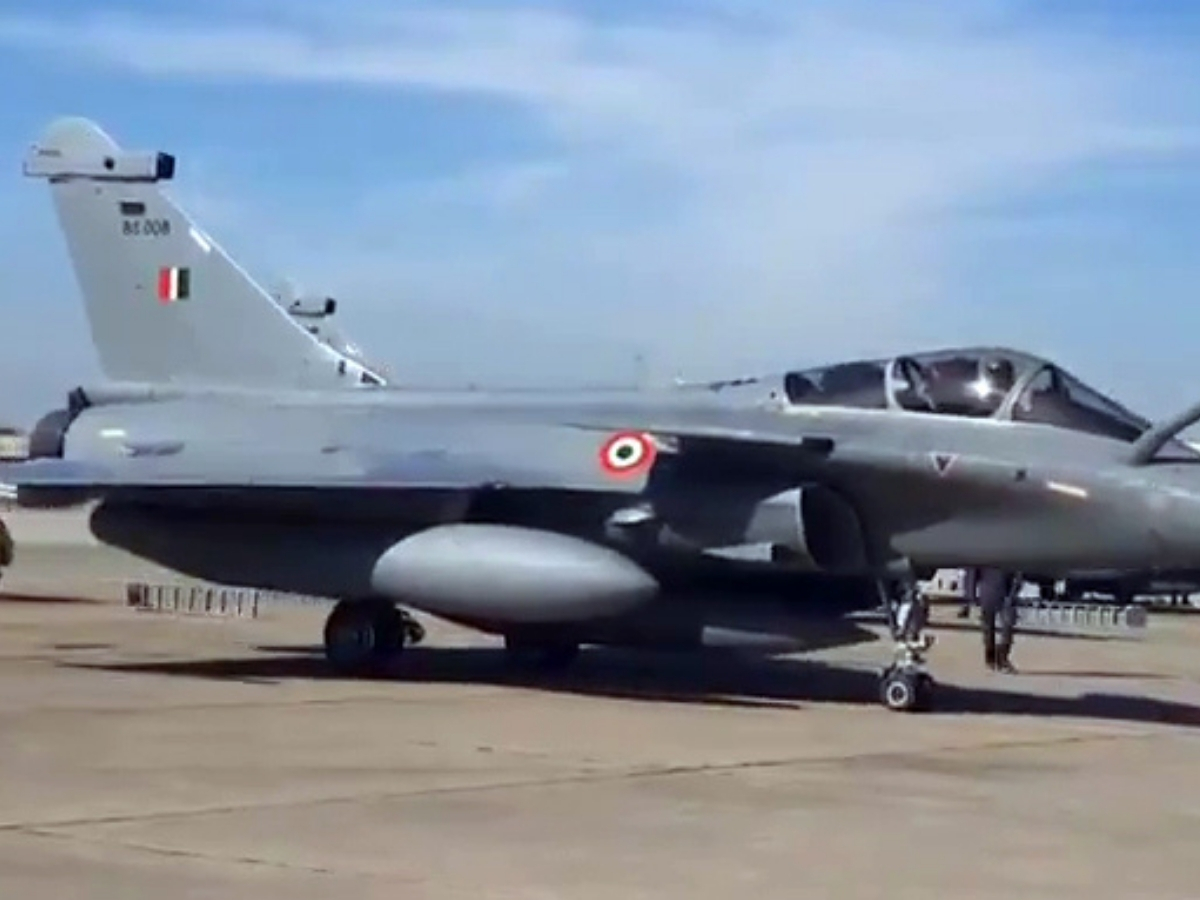
The United States maintains a decisive air power advantage over Iran, with a technologically superior and significantly larger air fleet. While Iran employs a layered defense strategy, recent conflicts have exposed considerable vulnerabilities in its air defense systems against advanced strikes. This analysis highlights the ongoing asymmetric military balance in the Middle East.
US possesses global air superiority with advanced stealth fighters and bombers.
Iran's air force consists largely of aging, sanctioned aircraft from the 1970s.
Iran's layered air defense systems show significant vulnerabilities to advanced attacks.
Recent Israeli and US strikes severely degraded Iranian air defense capabilities.
Iran relies on asymmetric warfare, drones, and ballistic missiles for deterrence.
The military balance heavily favors the US in a direct air confrontation.
The geopolitical landscape often raises questions about military balances, particularly between the United States and Iran. Analysis confirms that the United States possesses an overwhelming edge in air power against Iran's layered defense capabilities. The US Air Force operates the world's largest and most technologically advanced air fleet, boasting 5,004 active aircraft in 2025, including advanced platforms like the F-35A Lightning II and the B-21A Raider stealth bomber, with a robust modernization program underway. Furthermore, the US is developing next-generation fighters, such as the F-47, designed for contested environments and long-range operations, leveraging AI and drone wingmen.
In contrast, Iran's air force largely comprises aging aircraft, many dating back to the 1970s, which face significant maintenance challenges due to international sanctions. While Iran has invested in a multi-layered air defense strategy, incorporating Russian S-300 systems and indigenous developments like the Bavar-373, 9-Dey, and HQ-9B, their effectiveness against sophisticated modern air attacks has been questioned. Recent military engagements, particularly conflicts with Israel in 2024 and 2025, have reportedly inflicted severe damage on Iran's air defense and missile production infrastructure. Reports indicate that Israeli forces achieved "full aerial superiority" over Iran during these periods, and US airstrikes severely damaged Iranian nuclear sites.
An open-source analysis revealed that Iran's air defense systems around critical nuclear sites might be less networked and more "brittle" than previously assumed, exposing potential vulnerabilities. Despite Iran's focus on asymmetric warfare, including the development of advanced drones and a significant ballistic missile arsenal for deterrence, its conventional air defense and overall air superiority remain significantly outmatched by the United States. While Iran continues to conduct military exercises to test and enhance its defensive capabilities, the consensus among defense analysts is that the military balance, particularly in air power, heavily favors the US.
Read the full story on Quick Digest