US-Iran Talks Collapse, Two Supertankers U-Turn at Strait of Hormuz
High-stakes peace talks between the United States and Iran in Islamabad have collapsed, leading to two supertankers abruptly reversing course at the critical Strait of Hormuz. The failure of negotiations, primarily over Iran's nuclear program and control of the strait, signals heightened geopolitical tensions and immediate concerns for global oil supplies. This development has significant implications for energy-importing nations like India.
Key Highlights
- US-Iran peace talks in Islamabad failed after 21 hours of negotiations.
- Two supertankers made a sudden U-turn at the Strait of Hormuz.
- US Vice President JD Vance cited Iran's refusal on nuclear commitments.
- Iran blamed 'excessive' US demands, including on Strait of Hormuz.
- The Strait of Hormuz is critical for global oil supply, impacting India's energy security.
- The collapse of talks raises fears of escalating conflict and oil price volatility.
High-level peace negotiations between the United States and Iran, held in Islamabad, Pakistan, have concluded without an agreement, marking a significant setback in efforts to de-escalate tensions. The marathon talks, which reportedly lasted for approximately 21 hours, saw both sides entrenched in their positions, with US Vice President JD Vance confirming the failure and attributing it to Iran's unwillingness to provide an "affirmative commitment" to abandon nuclear weapons or the means to quickly develop them.
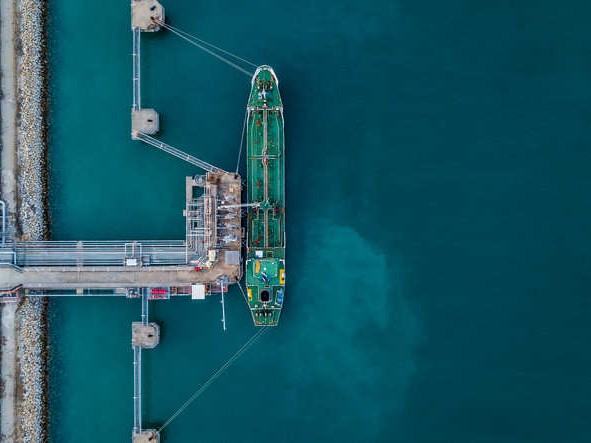
In a parallel and highly symbolic development, two supertankers abruptly made a U-turn at the Strait of Hormuz, a crucial global oil chokepoint, just as the news of the talks' collapse emerged. These vessels, identified in some reports as the 'Coswisdom Lake' and 'South Loyalty', were empty freighters turning away from the Persian Gulf. The incident immediately highlighted the fragility of shipping routes in the region and the direct impact of geopolitical instability on global energy markets. A third vessel reportedly managed to pass through, but the reasons for the differing outcomes remained unclear.
The Strait of Hormuz is one of the world's most vital maritime passages, through which an estimated 20% of the world's oil and gas shipments transit. Its effective closure or disruption due to the ongoing US-Iran conflict, which began around late February 2026, has already caused significant supply disruptions, driving oil prices sharply higher. Reports indicate that the strait has been virtually blocked by Iran since the conflict began, with Iran insisting on its control and proposing alternative, Iranian-territorial routes for passage.
During the Islamabad negotiations, the Strait of Hormuz emerged as a major sticking point. US officials were reportedly keen on the immediate reopening of the strait, while Iran insisted this would only be agreed upon as part of a final deal. Iranian state media blamed the US for the breakdown, citing "excessive demands" and Washington's attempts to secure concessions, including on the Strait of Hormuz and the removal of nuclear materials, which it had failed to achieve in the ongoing conflict. Other contentious issues included disagreements over sanctions relief, war reparations, and unfreezing billions in Iranian assets.
The failure of these talks, which were mediated by Pakistan, puts a fragile two-week ceasefire at risk and raises concerns about potential military escalation. US President Donald Trump had previously stated that the US military was working to clear the Strait of Hormuz of mines and ensure it was a safe pathway for tankers, a claim denied by Iranian military.
For India, the situation carries profound implications. India relies heavily on the Strait of Hormuz for a substantial portion of its crude oil, liquefied natural gas (LNG), and liquefied petroleum gas (LPG) imports from the Middle East. A prolonged closure or ongoing disruptions would severely impact India's energy security, slow production growth in energy-intensive industries, and increase the threat of inflation across various sectors, including transportation and agriculture. India has been actively diversifying its supply sources, importing crude from around 40 countries as of March 2026, and increasing domestic LPG output to mitigate these risks. However, the country's dependence on the Strait remains significant, making the stability of this waterway critical for its economic stability.
The collapse of these high-stakes negotiations underscores the deep mistrust and divergent objectives between the US and Iran. While both sides have indicated that the door for future diplomacy is not entirely closed, the immediate outlook points towards continued geopolitical uncertainty, market volatility, and elevated risks in the Middle East.
Frequently Asked Questions
What led to the collapse of US-Iran talks in Islamabad?
The US-Iran peace talks in Islamabad collapsed primarily due to Iran's refusal to commit to abandoning its nuclear weapons ambitions. Iran, in turn, blamed the US for making 'excessive demands,' including regarding the Strait of Hormuz and the removal of nuclear materials.
Why did supertankers make a U-turn at the Strait of Hormuz?
Two supertankers made a sudden U-turn at the Strait of Hormuz as the US-Iran talks in Islamabad broke down. This incident highlighted the heightened risks to commercial shipping in the crucial waterway amidst escalating geopolitical tensions and fears of potential retaliation or closure.
What is the significance of the Strait of Hormuz?
The Strait of Hormuz is one of the world's most critical maritime chokepoints, through which approximately 20% of the global oil and gas supply transits. Its disruption directly impacts international energy markets, leading to potential price surges and supply chain issues globally.
How does this news impact India?
This news has critical implications for India as a major energy importer. A significant portion of India's crude oil, LNG, and LPG imports passes through the Strait of Hormuz. Disruptions or increased tensions in the strait can severely affect India's energy security, lead to higher import costs, and impact various sectors of its economy.
What are the immediate consequences of the talks' collapse?
The immediate consequences include heightened geopolitical tensions between the US and Iran, increased risk of military escalation, and potential volatility in global oil and gas prices. It also puts a fragile two-week ceasefire at risk and raises concerns about the stability of shipping routes in the Middle East.