Pakistan Mediates US-Iran Peace Talks as Munir Visits Tehran
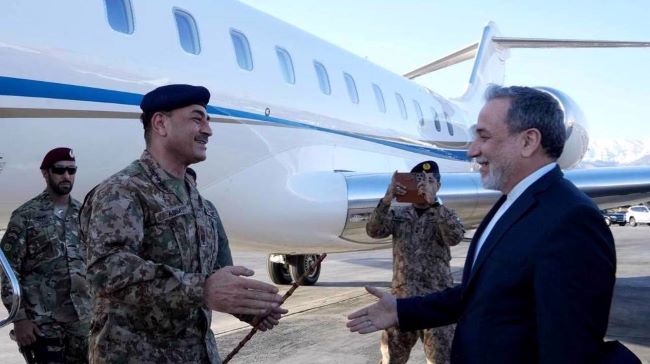
Pakistan's Army Chief, Field Marshal Asim Munir, led a high-level delegation to Tehran on April 15, 2026, for critical peace talks. The visit aims to mediate between the United States and Iran to de-escalate the ongoing seven-week conflict and facilitate a second round of negotiations, following an inconclusive first round in Islamabad.
Key Highlights
- Pakistani Army Chief Munir visited Tehran on April 15, 2026.
- Delegation seeks to mediate ongoing US-Iran conflict.
- Follows failed US-Iran peace talks held in Islamabad.
- Ceasefire between US and Iran is nearing its expiration.
- Diplomatic efforts aim for a second round of negotiations.
- US President Donald Trump optimistic about a potential deal.
A high-level Pakistani delegation, led by Chief of Army Staff Field Marshal Asim Munir, arrived in Tehran, Iran, on Wednesday, April 15, 2026, for crucial peace talks aimed at de-escalating the protracted conflict between the United States and Iran. The visit marks a significant diplomatic push by Pakistan to mediate an end to what has been described as a '2026 Iran war,' which has lasted for nearly seven weeks and has had substantial global implications.
Upon their arrival, Field Marshal Munir and his delegation, which reportedly included Interior Minister Mohsin Naqvi, were welcomed by Iranian Foreign Minister Abbas Araghchi. The primary objective of this visit is to convey messages from Washington to the Iranian leadership and to lay the groundwork for a second round of direct negotiations between the US and Iran. This diplomatic initiative follows earlier face-to-face talks held in Islamabad over the weekend of April 11-12, 2026, which, despite lasting approximately 21 hours, concluded without a breakthrough or a definitive agreement.
The Islamabad Talks, moderated by Pakistan, were intended to stabilize a two-week ceasefire that was agreed upon on April 8, 2026, between the United States and Iran. This ceasefire is now nearing its expiration, intensifying the urgency for a renewed diplomatic effort. White House Press Secretary Karoline Leavitt, on Wednesday, April 15, 2026, stated that while the US had not 'formally' requested an extension of the ceasefire, Washington remained 'very much engaged in these negotiations' and felt 'good about the prospects of a deal.' Similarly, US President Donald Trump expressed optimism, indicating that fresh US-Iran talks could happen 'over the next two days' and that the war was 'very close to being over.'
However, the path to peace remains fraught with challenges. Iranian Foreign Ministry spokesperson Esmail Baghaei, while confirming ongoing exchanges with the US through Pakistan, clarified that no agreement had been reached on extending the current ceasefire. Iran has also reiterated its stance on its right to peaceful nuclear energy and called for sanctions relief as part of any broader settlement, despite being open to discussing the type and level of uranium enrichment. Reports suggest that key sticking points from the Islamabad talks included Iran's nuclear program and the status of the Strait of Hormuz.
The gravity of the situation is underscored by various developments. The US has maintained a naval blockade on Iranian ports, leading to threats from Iran's joint military command to halt trade in the Gulf region if the blockade is not lifted. This situation has serious implications for global energy security and supply chains. Vice President JD Vance led the US negotiating team during the Islamabad talks, urging Iran to agree to a 20-year moratorium on uranium enrichment, a proposal countered by Iran with an offer of a five-year suspension. These proposals were reportedly rejected by the White House.
Pakistan's Prime Minister Shehbaz Sharif also embarked on a separate diplomatic tour to Saudi Arabia, Qatar, and Türkiye on the same day, April 15, 2026, in an effort to coordinate broader regional support for peace efforts. This extensive shuttle diplomacy highlights the critical role Pakistan has assumed as a mediator in this significant international conflict. The ongoing '2026 Iran war' and the diplomatic efforts to resolve it represent a critical geopolitical event with potential cascading effects on global stability and economic conditions.
The news, as reported by 'The Hindu' and corroborated by multiple international outlets, confirms the Pakistani delegation's arrival in Tehran on April 15, 2026, and the continuation of high-stakes mediation efforts to facilitate renewed US-Iran talks before the existing ceasefire expires. The complexity of the negotiations, coupled with the critical nature of the issues at stake and the involvement of major global powers, underscores the importance and urgency of these diplomatic endeavors.
Frequently Asked Questions
Why is Pakistan mediating between the US and Iran?
Pakistan has taken on a significant role as a mediator due to an ongoing seven-week conflict between the United States and Iran, and to facilitate a peaceful resolution after initial talks in Islamabad failed to yield a breakthrough.
Who is leading the Pakistani delegation to Iran?
The Pakistani delegation to Tehran is led by Field Marshal Asim Munir, who serves as Pakistan's Chief of Army Staff and Chief of Defence Forces. The delegation also includes Interior Minister Mohsin Naqvi.
What were the key outcomes of the previous talks in Islamabad?
The Islamabad Talks, held on April 11-12, 2026, lasted approximately 21 hours but concluded without a formal agreement. Key unresolved issues reportedly included Iran's nuclear program and the status of the Strait of Hormuz.
What is the status of the ceasefire between the US and Iran?
A two-week ceasefire between the US and Iran, agreed upon on April 8, 2026, is nearing its expiration. While the US is optimistic about a potential deal, Iran has stated that no agreement has been reached yet on extending the ceasefire.
What is the 'Trump's Peace Offer' in this context?
In this ongoing hypothetical scenario, Donald Trump is the sitting US President in April 2026. 'Trump's Peace Offer' refers to the diplomatic proposals and messages being conveyed by the US administration, led by President Trump and Vice President JD Vance, through Pakistan to Iran in an attempt to end the conflict.