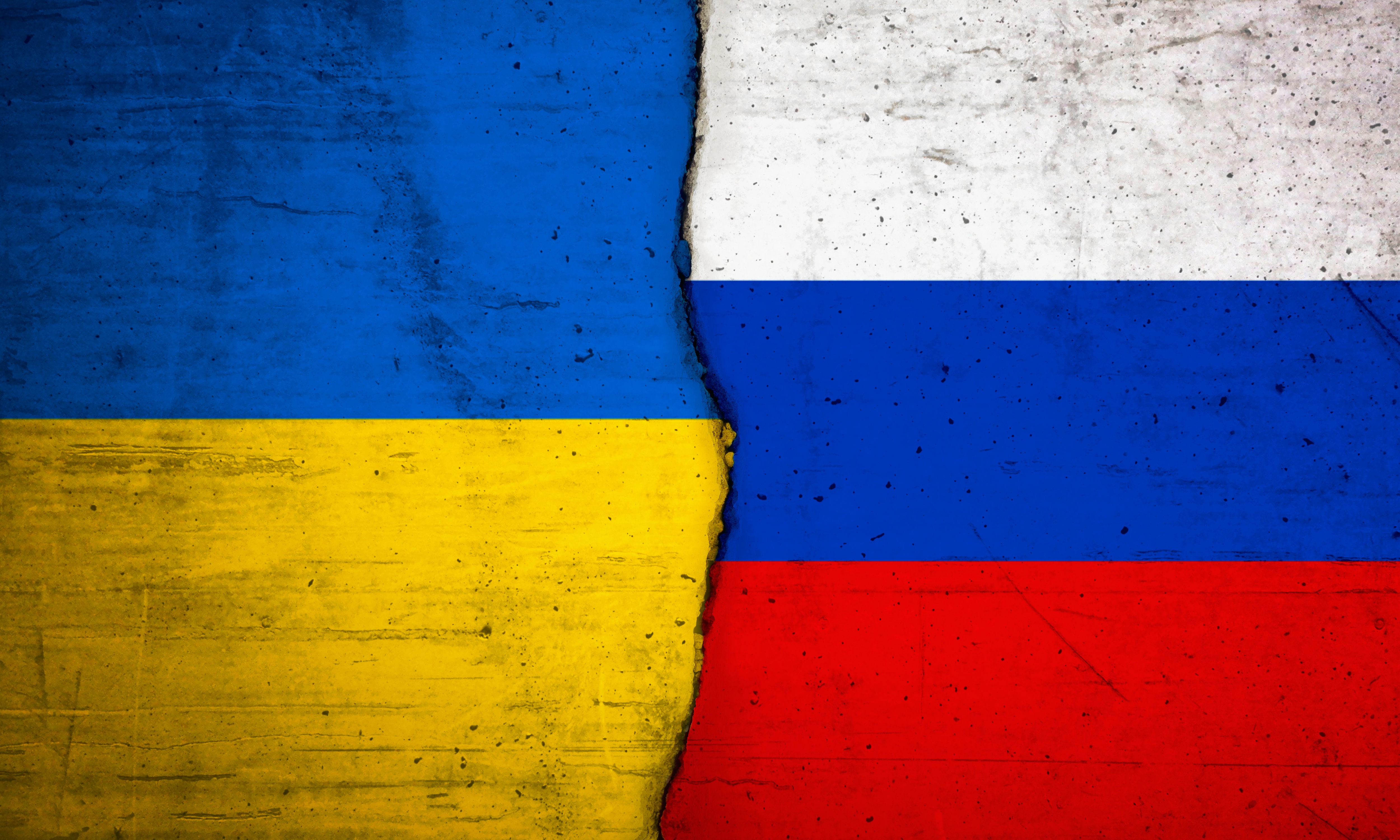
Ukraine and Russia Clash Amidst Fragile US-Mediated Ceasefire
Fighting persists between Ukrainian and Russian forces despite a US-mediated three-day ceasefire intended to span May 9-11, 2026. Both nations accuse each other of numerous violations, including drone strikes and ground assaults, immediately straining the diplomatic effort. A prisoner exchange, also part of the agreement, has not yet occurred.
Key Highlights
- US-mediated ceasefire for May 9-11, 2026, was agreed by Ukraine and Russia.
- Both sides immediately accused each other of numerous violations.
- Drone strikes and ground assaults continued on the front lines.
- A 1,000-for-1,000 prisoner swap, part of the deal, has not taken place.
- The ceasefire's effectiveness was quickly undermined by persistent fighting.
- US President Trump initiated the ceasefire, expressing hopes for extension.
A US-mediated three-day ceasefire between Ukraine and Russia, intended to bring a temporary halt to hostilities from May 9 to May 11, 2026, was immediately undermined by persistent fighting and mutual accusations of violations. The truce, brokered by US President Donald Trump and confirmed by both Moscow and Kyiv on May 8, aimed to coincide with Russia's Victory Day celebrations and included a proposed 1,000-for-1,000 prisoner exchange.
Despite the diplomatic efforts, the ceasefire showed signs of severe strain on its first day, Saturday, May 9, and continued to deteriorate through Sunday, May 10, and Monday, May 11. Ukrainian President Volodymyr Zelenskyy stated on Sunday that Russian forces were not observing the truce and were continuing assault operations in key sectors of the front. He noted that while large-scale aerial and missile attacks had decreased, ground assaults and drone activity persisted.
Ukrainian officials reported hundreds of battlefield clashes and numerous Russian drone strikes, particularly in regions near the front line such as Zaporizhzhia, Dnipropetrovsk, Kherson, and Kharkiv. Casualties were also reported, with at least three people killed in Russian drone strikes by Sunday and several more wounded. For instance, one person was killed and two wounded in Zaporizhzhia, two killed and two wounded in Kherson, and multiple injuries reported in Mykolaiv, Kharkiv, and Donetsk regions by May 11. The Ukrainian General Staff indicated 180 battlefield clashes and 8,037 'kamikaze' drone deployments by Russian forces on Sunday alone.
Conversely, Russia's Defence Ministry accused Ukraine of flouting the ceasefire, claiming to have downed 57 Ukrainian drones over the past day (as of May 10) and stating that Russian forces had 'responded in kind' on the battlefield. Moscow further alleged that Ukraine had committed over 1,000 ceasefire violations, including artillery and drone strikes against Russian positions and civilian targets in regions like Belgorod, Kursk, Kaluga, Rostov, and Krasnodar Krai. The Russian Ministry of Defense reported 676 artillery, MLRS, and mortar strikes, and 6,331 drone strikes by Ukrainian forces.
The Washington-based Institute for the Study of War (ISW) also noted that Russian and Ukrainian forces continued limited offensive operations across the theater throughout the ceasefire period. NASA observations indicated a decrease in military activities but confirmed that activity did not cease entirely. The ISW emphasized that 'ceasefires without explicit enforcement mechanisms, credible monitoring, and defined dispute resolution processes are unlikely to hold,' a sentiment clearly validated by the immediate breakdown of this US-mediated truce.
President Trump had announced the ceasefire on Truth Social, expressing hope that it would be 'the beginning of the end of a very long, deadly, and hard-fought War' and that it could be extended beyond the initial three days. Ukrainian President Zelenskyy had initially confirmed the ceasefire, arranged as part of US negotiating efforts, highlighting humanitarian issues and the prisoner swap as key priorities. He even issued a tongue-in-cheek decree 'allowing' Russia's May 9 military parade to proceed without Ukrainian targeting of Red Square, prioritizing the lives of Ukrainian prisoners.
However, the planned prisoner exchange of 1,000 individuals from each side, a significant component of the deal, had not yet materialized as of May 9, with Ukraine expecting the US to guarantee its implementation. Earlier in the week preceding the US-brokered agreement, both Russia and Ukraine had attempted to declare separate ceasefires, which also quickly dissolved amidst mutual accusations of violations, indicating a consistent pattern of distrust and continued military objectives.
Russian President Vladimir Putin, while accusing the West of backing Kyiv, vaguely suggested the war was 'winding down' on Saturday, May 9, despite the ongoing fighting and no clear indication of Russia's intent to end the conflict on terms acceptable to Ukraine. Meanwhile, Russian forces continued their offensive to seize the remaining parts of Ukraine's eastern Donetsk region, a key demand from Moscow for any potential peace talks. This ongoing objective, coupled with Kyiv's refusal to cede territory and the dispute over the Russian-occupied Zaporizhzhia nuclear power plant, continues to stall broader peace negotiations.
The overall situation reflects a deep-seated inability or unwillingness of both sides to adhere to a truce without robust enforcement and monitoring, underscoring the formidable challenges to achieving a lasting peace in the more than four-year-old conflict. For an Indian audience, this ongoing conflict continues to have broader geopolitical and economic implications, affecting global stability, energy prices, and international relations.
Frequently Asked Questions
Was there a US-mediated ceasefire between Ukraine and Russia?
Yes, a three-day US-mediated ceasefire between Russia and Ukraine was announced by US President Donald Trump on May 8, 2026, and was set to run from May 9 to May 11, 2026. Both nations confirmed their agreement to this temporary truce.
Did the ceasefire hold, or did fighting continue?
The ceasefire did not hold, and fighting continued throughout the three-day period. Both Ukrainian and Russian forces accused each other of numerous violations, including drone strikes, artillery shelling, and ground assaults, almost immediately after the truce was supposed to begin.
What were the reported violations during the ceasefire?
Ukrainian officials reported hundreds of battlefield clashes and numerous Russian drone strikes, causing casualties in various regions. Russia's Defence Ministry, in turn, accused Ukraine of over 1,000 ceasefire violations, including drone and artillery attacks on Russian positions and civilian areas.
Was a prisoner exchange part of the ceasefire agreement?
Yes, a 1,000-for-1,000 prisoner-of-war (POW) exchange was a part of the US-mediated ceasefire deal. However, as of May 9, the exchange had not yet occurred, and Ukraine expected the United States to guarantee its implementation.
What are the broader implications of this failed ceasefire?
The immediate breakdown of the US-mediated ceasefire highlights the deep-seated distrust and persistent military objectives of both Ukraine and Russia. It underscores the significant challenges to achieving a lasting peace in the over four-year-old conflict and suggests that ceasefires without robust enforcement and credible monitoring are unlikely to succeed.