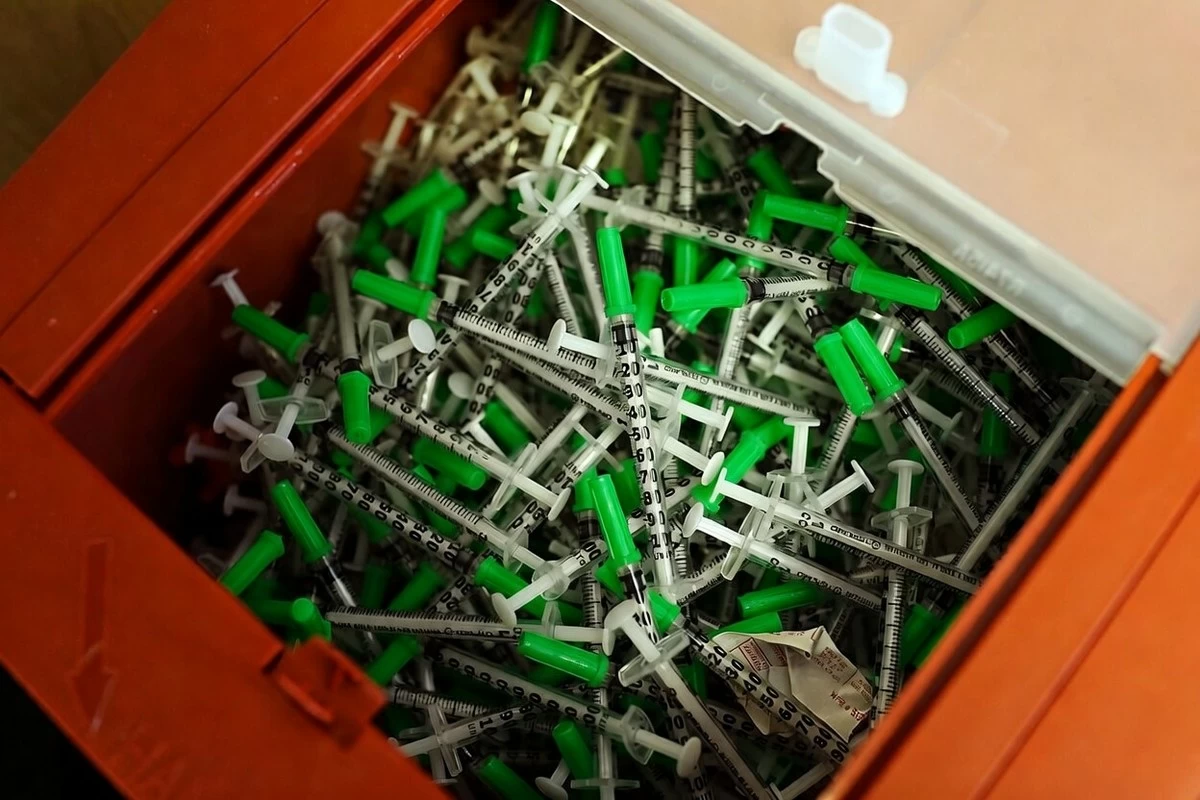
Pakistan: Syringe Reuse Links to HIV in 331 Taunsa Children
A recent investigation by the BBC has revealed dangerous syringe reuse practices at THQ Taunsa Hospital in Pakistan's Punjab province, leading to at least 331 children testing HIV-positive between November 2024 and October 2025. This alarming outbreak highlights critical lapses in healthcare hygiene.
Key Highlights
- BBC investigation uncovered syringe reuse at THQ Taunsa Hospital.
- 331 children in Taunsa, Punjab, tested HIV-positive from Nov 2024 to Oct 2025.
- Unsafe injection practices are the likely cause of the outbreak.
- Staff seen reusing syringes on multi-dose vials and without sterile gloves.
- Local doctor first identified unusual increase in pediatric HIV cases.
- Previous HIV outbreaks linked to similar negligence have occurred in Pakistan.
A recent BBC investigation has brought to light a deeply concerning public health crisis in Taunsa, Punjab province, Pakistan, where at least 331 children tested positive for HIV between November 2024 and October 2025. The investigation, which included undercover filming over 32 hours inside the Tehsil Headquarters (THQ) Taunsa Hospital in late 2025, documented multiple violations of basic hygiene protocols, directly linking unsafe injection practices to the widespread transmission of the virus among young patients.
The probe specifically observed hospital staff reusing syringes on multi-dose medicine vials, a practice that critically risks contaminating entire batches of medication. These contaminated vials were then, in several instances, used to treat different children, creating a dangerous chain of infection. Additionally, staff were filmed administering injections without using sterile gloves, further compounding the risk of pathogen transmission.
The outbreak initially came to light in late 2024 when Dr. Gul Qaisrani, a local physician at a private clinic, noticed an unusual and alarming increase in HIV cases among children visiting his facility. Nearly all of the 65 to 70 children he diagnosed had previously received treatment at THQ Taunsa Hospital. One harrowing account from a mother revealed that her daughter was injected with the same syringe used on an HIV-positive cousin, and then subsequently on several other children.
Following Dr. Qaisrani's findings and the linking of the outbreak to THQ Taunsa, local authorities in Punjab promised a "massive crackdown" in March 2025. The hospital's medical superintendent, Dr. Tayyab Farooq Chandio, was suspended. However, the BBC Eye investigation shockingly revealed that within three months of his suspension, Dr. Chandio was working with children again as a senior medical officer at a rural health centre on Taunsa's outskirts. He denied the hospital was the cause of the outbreak, claiming immediate action was taken upon notification of an HIV case.
This incident is not an isolated one in Pakistan, which has a documented history of HIV outbreaks linked to unsafe medical practices. A significant previous outbreak occurred in Ratodero, Larkana District of Sindh province in 2019, where nearly 900 children were among over 1,100 people confirmed to have contracted HIV due to the alleged reuse of syringes by a pediatrician, Dr. Muzaffar Ghanghro. The World Health Organization (WHO) declared the Ratodero outbreak a Grade II Emergency, highlighting the severity of the situation and the systemic issues within the healthcare system.
Experts and international bodies, including the WHO, have repeatedly pointed to unsafe injection practices, unsterilized medical instruments, and poor infection control programs as key drivers for soaring HIV rates and outbreaks in Pakistan. The prevalence of such practices extends beyond hospitals to private clinics, dentists, and even barbers, creating multiple avenues for transmission of bloodborne diseases.
The lack of robust regulation, monitoring, and enforcement of hygiene standards in healthcare facilities, particularly in impoverished areas, contributes significantly to these recurring crises. Despite crackdowns and closures of unauthorized facilities, many unlicensed private clinics continue to operate, often lacking even basic amenities like hand-washing facilities.
The current Taunsa outbreak underscores the urgent need for comprehensive reforms in Pakistan's healthcare system, including stringent infection prevention and control measures, adequate supply of disposable medical equipment, continuous training for healthcare providers, and robust regulatory oversight. For an audience in India, this news is highly relevant due to geographical proximity, shared socio-economic challenges in healthcare access, and the critical public health implications of such outbreaks in the region. The tragic deaths of children like eight-year-old Mohammed Amin, who died shortly after testing positive for HIV, and the subsequent diagnosis of his sister Asma, serve as a grim reminder of the human cost of medical negligence and systemic failures.
The situation demands not only immediate intervention for the affected but also long-term strategies to rebuild trust in the healthcare system and prevent future occurrences, which remains a significant challenge given Pakistan's relatively low public spending on healthcare.
Frequently Asked Questions
What is the primary cause of the recent HIV outbreak in Taunsa, Pakistan?
The primary cause identified by a BBC investigation is the dangerous reuse of syringes and unsafe injection practices by staff at THQ Taunsa Hospital in Pakistan's Punjab province.
How many children have been affected in this outbreak?
At least 331 children in Taunsa have tested positive for HIV between November 2024 and October 2025 due to this outbreak.
Has there been a government response to this issue?
Yes, local authorities promised a 'massive crackdown' and suspended the hospital's medical superintendent in March 2025. However, the BBC investigation revealed dangerous practices continued months later and the superintendent was reassigned to another role involving children.
Is this the first such HIV outbreak in Pakistan?
No, Pakistan has a history of HIV outbreaks linked to unsafe medical practices, notably a large outbreak in Ratodero, Sindh province, in 2019, where nearly 900 children were among over 1,100 infected due to syringe reuse.
What are the broader implications of such outbreaks for Pakistan's healthcare system?
These outbreaks highlight systemic issues in Pakistan's healthcare, including poor infection control, lack of regulation, inadequate supplies of disposable equipment, and the presence of unqualified medical practitioners, which collectively contribute to a public health crisis and erode public trust.