Iran Closes Strait of Hormuz Amidst Escalating Israeli-Lebanese Tensions
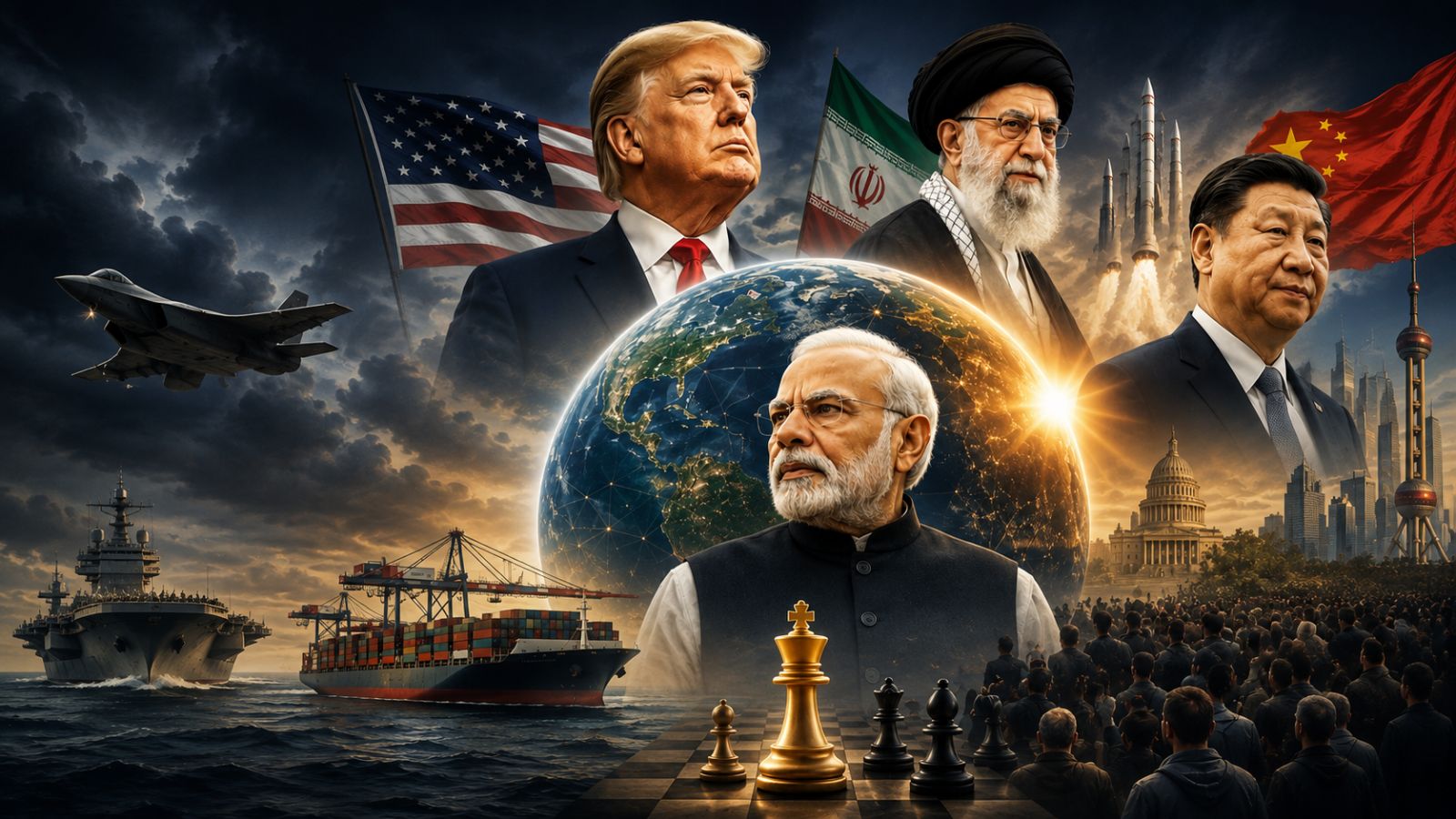
Iran has announced the closure of the Strait of Hormuz, a critical global oil transit route, citing alleged Israeli ceasefire violations in Lebanon. This action has heightened regional tensions and raises concerns about global energy supply chains. The US denies Iran's claims, while international mediators are working to de-escalate the situation.
Key Highlights
- Iran cites Israeli ceasefire violations in Lebanon for Strait of Hormuz closure.
- Global energy markets face potential disruption due to the closure.
- US denies Iranian claims of ceasefire breaches.
- International mediators are engaged to de-escalate the crisis.
Iran has announced the closure of the strategically vital Strait of Hormuz, a move that has significant implications for global energy markets and regional stability. The closure, which has been reported by various news outlets including Hindustan Times, NDTV, and Newsonair, is attributed by Iran to alleged Israeli ceasefire violations in Lebanon. This development has ignited a firestorm of diplomatic activity and heightened concerns over the escalation of regional conflicts.
The Strait of Hormuz, a narrow waterway connecting the Persian Gulf with the Gulf of Oman, is one of the world's most critical chokepoints for oil and liquefied natural gas (LNG) transit. An estimated 20-25% of the world's seaborne oil trade and a significant portion of global LNG pass through this strait daily. Consequently, any disruption to shipping traffic in this area can have immediate and severe repercussions on global energy prices and supply chains.
Iran's official justification for closing the strait stems from its assertion that Israel has violated ceasefire agreements related to the ongoing conflict in Lebanon. Reports indicate that Iran's top joint military command announced the closure, citing alleged breaches of commitments and warning of further measures if "aggression" continued. This aligns with Iran's stance that it is responding to continued Israeli hostilities in southern Lebanon, which have reportedly led to civilian casualties. The situation is further complicated by the fact that a ceasefire deal, brokered by the US and other mediators, was intended to de-escalate the conflict and included provisions for reopening the Strait of Hormuz. However, Iran claims that Israel's actions have undermined this agreement, leading to its decision to close the strait.
The United States has, however, contested Iran's narrative. US officials, including those from CENTCOM, have stated that traffic through the strait has continued and denied Iran's claims of ceasefire breaches. This divergence in accounts underscores the complexity and sensitivity of the situation, with each side accusing the other of violating agreements and escalating tensions. The US has previously imposed naval blockades on Iran in response to disruptions in the Strait of Hormuz, further contributing to the volatile dynamic.
The news of the Strait of Hormuz closure is particularly relevant to India, as it is a major importer of oil from the Persian Gulf, with a significant portion of its energy imports transiting through this waterway. Any prolonged disruption could impact India's energy security and economy.
This incident is part of a larger pattern of escalating tensions between Iran and Israel, with Hezbollah in Lebanon acting as a key player in the regional conflict. The conflict along the Lebanon-Israel border has seen a steady escalation, with both sides engaging in cross-border attacks and retaliatory strikes. The maritime border dispute between Israel and Lebanon, though resolved in 2022, highlights the long-standing nature of regional geopolitical complexities.
International efforts are underway to manage the crisis. Mediators, including those from the US and Qatar, have been involved in brokering ceasefires and facilitating negotiations between the involved parties. The outcome of these diplomatic efforts will be crucial in determining the future of maritime traffic through the Strait of Hormuz and the broader stability of the Middle East.
The situation remains fluid, with Iran issuing warnings about continued US maritime blockades potentially leading to the closure of other strategic waterways. The news also comes at a time when discussions are ongoing regarding potential deals and truces, with US President Donald Trump having called off planned attacks on Iran to allow for diplomacy. However, these diplomatic overtures are constantly tested by the volatile on-the-ground situation.
In summary, the closure of the Strait of Hormuz by Iran is a serious development with far-reaching consequences. It is directly linked to the ongoing conflict in Lebanon and the broader geopolitical tensions between Iran, Israel, and the United States. The international community is closely watching the situation, with a focus on diplomatic resolutions to prevent further escalation and ensure the unimpeded flow of global energy resources.
Frequently Asked Questions
Why has Iran closed the Strait of Hormuz?
Iran claims it closed the Strait of Hormuz in response to alleged Israeli ceasefire violations in Lebanon and continuous US military aggression.
What is the significance of the Strait of Hormuz?
The Strait of Hormuz is a vital global oil transit chokepoint, through which approximately 20-25% of the world's seaborne oil trade and a significant portion of LNG pass daily. Its closure can severely impact global energy markets and supply chains.
Does the US agree with Iran's reason for closing the Strait?
No, the US has denied Iran's claims of ceasefire violations and stated that traffic through the strait has continued, refuting Iran's justification for the closure.
How does this closure affect India?
As a major importer of oil from the Persian Gulf, India is significantly affected by any disruption in the Strait of Hormuz, potentially impacting its energy security and economy.