Rubin Observatory Discovers Record-Breaking, Fastest-Spinning Large Asteroid | Quick Digest
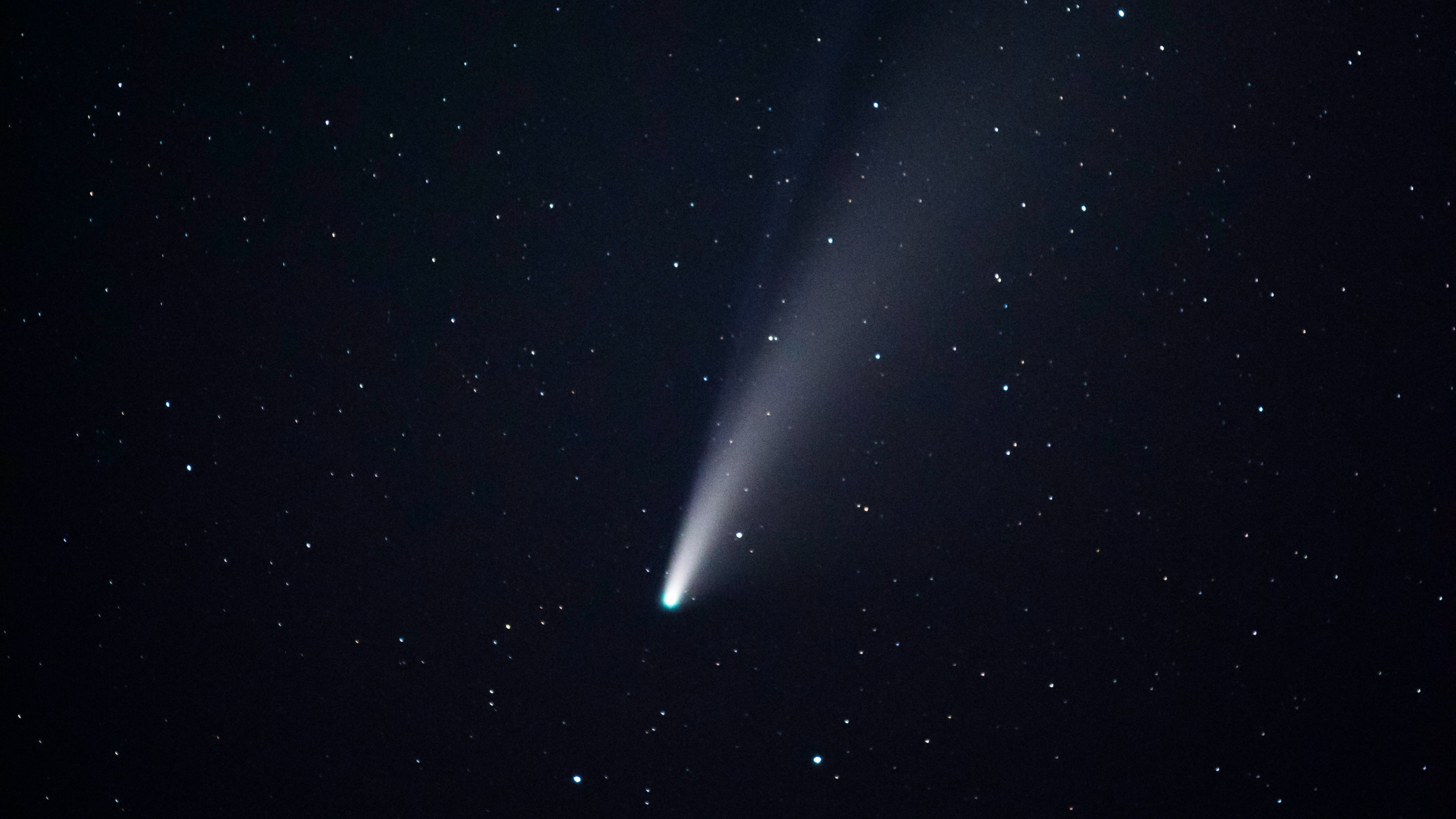
The Vera C. Rubin Observatory has discovered 2025 MN45, the fastest-spinning asteroid over 500 meters in diameter, completing a rotation every 1.88 minutes. This 710-meter asteroid, located in the main belt, challenges assumptions about asteroid composition, suggesting it's solid rock.
Asteroid 2025 MN45 spins once every 1.88 minutes.
It is 710 meters wide, the fastest of its size.
Discovered by Vera C. Rubin Observatory in 2025.
Located safely in the main asteroid belt.
Extreme spin suggests it is solid rock, not a rubble pile.
Discovery published in The Astrophysical Journal Letters.
Scientists analyzing data from the Vera C. Rubin Observatory in Chile have announced the discovery of 2025 MN45, an asteroid that has set a new record as the fastest-spinning object of its size class. Discovered during the observatory's 'First Look' event in spring 2025 (April-May 2025), this celestial body measures approximately 710 meters (0.44 miles or 2,329 feet) in diameter and completes a full rotation every 1.88 minutes (112-113 seconds). This makes it the fastest-rotating asteroid found to date that is larger than 500 meters (or 0.5 km/1,640 feet). While smaller asteroids can spin faster, 2025 MN45's speed for its substantial size is unprecedented.
The findings, detailed in a peer-reviewed study published in The Astrophysical Journal Letters on January 7, 2026, indicate that 2025 MN45 resides safely within the main asteroid belt located between Mars and Jupiter, posing no immediate threat to Earth. The asteroid's incredibly rapid rotation challenges conventional understanding of asteroid composition. Most main-belt asteroids are considered 'rubble piles,' loosely held together by gravity and would disintegrate if they spun too quickly (typically a limit of 2.2 hours). However, 2025 MN45's extreme spin rate suggests it must be made of strong, solid rock to remain intact, providing crucial insights into asteroid formation and evolution. This discovery highlights the immense capabilities of the Rubin Observatory in uncovering previously unknown objects and phenomena in our solar system.
Read the full story on Quick Digest