Supreme Court Reserves Verdict on Harish Rana's Passive Euthanasia Plea | Quick Digest
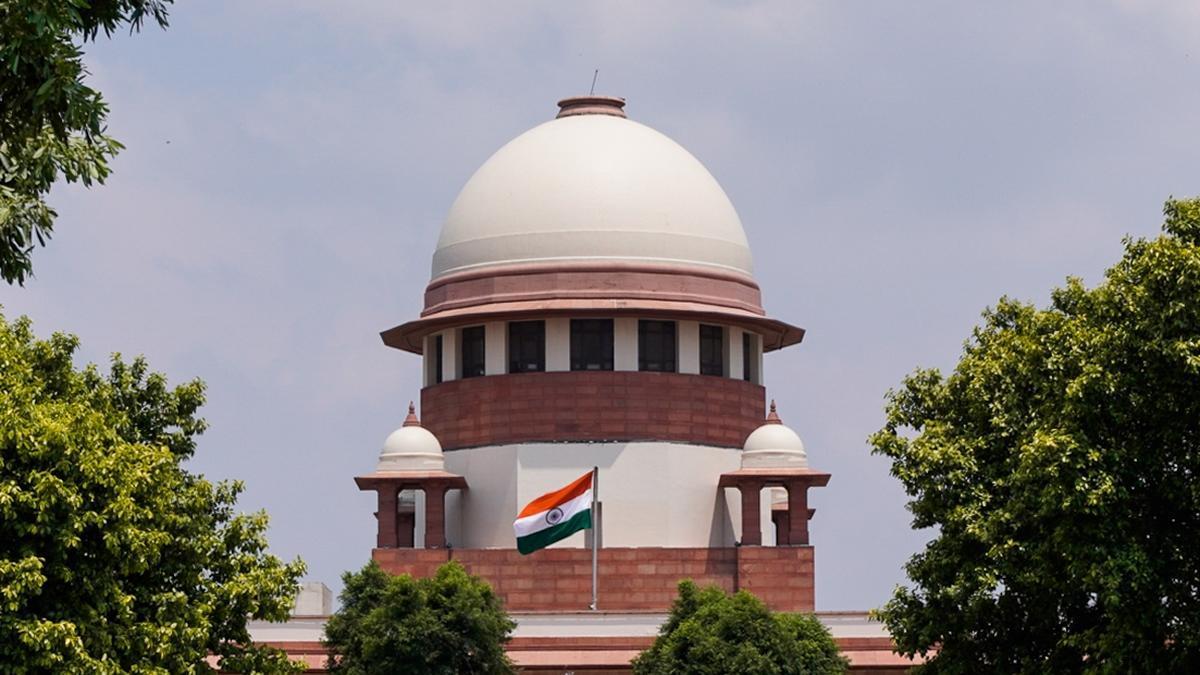
The Supreme Court of India has reserved its judgment on the plea for passive euthanasia for Harish Rana, a 32-year-old man in a permanent vegetative state for 13 years. This landmark case could be India's first court-approved passive euthanasia since its 2018 legalization.
Harish Rana, 32, in a permanent vegetative state for 13 years after an accident.
Parents sought Supreme Court's permission for passive euthanasia.
Medical boards confirmed his irreversible condition with negligible recovery chances.
Supreme Court heard arguments and reserved its judgment on January 15, 2026.
Case could set a major precedent for passive euthanasia in India.
Earlier pleas were rejected as Harish was not on a mechanical ventilator.
Harish Rana, a 32-year-old Delhi resident, has been in a permanent vegetative state for 13 years following a severe head injury sustained in a fall in 2013. His parents have approached the Supreme Court of India, seeking permission for passive euthanasia, which involves the withdrawal of life-sustaining treatment. This emotional and legally complex case came before the Supreme Court on January 15, 2026, where the bench, after hearing arguments, reserved its judgment.
Harish Rana's condition, characterized by 100% disability and reliance on tracheostomy and gastrostomy tubes, was thoroughly assessed by primary and secondary medical boards. Both panels concluded that he has a negligible chance of recovery and described his state as irreversible and "pathetic". The court had previously met with Harish's parents on January 13, who tearfully expressed their desire to end their son's suffering.
This is not the first time Harish's parents have sought a dignified end for their son. Their earlier pleas were rejected by the Delhi High Court in July 2024 and the Supreme Court in November 2024. These rejections were primarily because Harish was not on a mechanical ventilator, and the removal of feeding tubes was then considered akin to active euthanasia, which remains illegal in India. The current petition, however, argues for clinically assisted nutrition and hydration to be recognized as "life-sustaining medical treatment" for the purpose of passive euthanasia.
Passive euthanasia was legalized in India in 2018 by the Supreme Court in the landmark Common Cause vs Union of India case, recognizing the 'right to die with dignity' as part of the fundamental right to life under Article 21. If the Supreme Court ultimately approves the withdrawal of life support for Harish Rana, it would be a historic moment, marking potentially the first court-sanctioned passive euthanasia in the country since the 2018 ruling. The verdict is keenly awaited as it will set a significant precedent for end-of-life care and patient rights in India.
Read the full story on Quick Digest