Nepal Flood Losses Reach $2.56 Billion, Officials Report
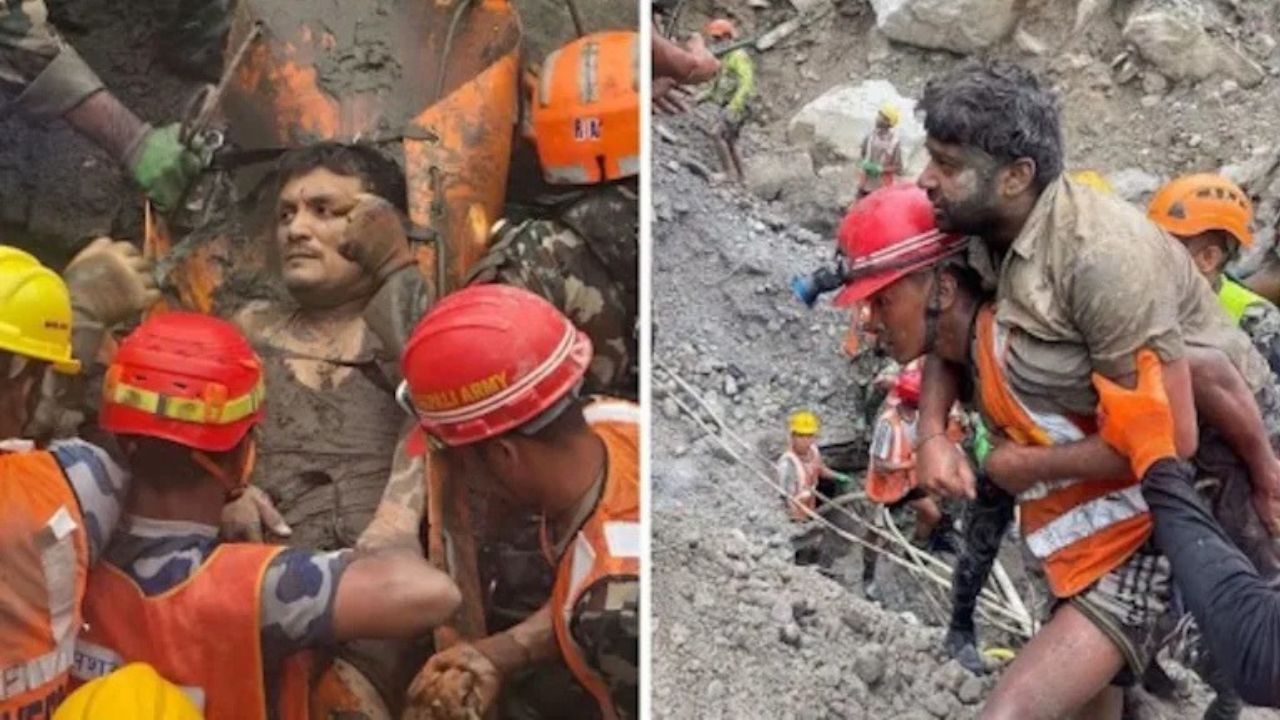
Nepal has reported flood-related losses estimated at $2.56 billion, a significant blow to its economy. This highlights the vulnerability of the Himalayan nation to climate-induced disasters and the immense challenge of rebuilding.
Key Highlights
- Nepal faces staggering flood losses of $2.56 billion.
- Himalayan nation grappling with severe climate disaster impact.
- Reconstruction efforts require substantial international support.
- Flash floods have caused significant loss of life and missing persons.
- Economic recovery is a major challenge for Nepal.
- Climate change exacerbates disaster frequency and intensity in the region.
Nepal is facing a monumental challenge in the aftermath of devastating floods, with official estimates placing the total losses at a staggering $2.56 billion. This figure underscores the severe economic impact of climate-induced disasters on the Himalayan nation. The floods, exacerbated by monsoon rains and potentially linked to changing Himalayan weather patterns, have not only caused immense financial damage but also resulted in a tragic loss of life and a large number of missing persons. Reports indicate that the death toll has risen significantly, with over 1,200 lives lost and thousands more still unaccounted for.
The economic repercussions of these floods are far-reaching. The $2.56 billion estimated loss encompasses damage to infrastructure, agriculture, housing, and livelihoods. This amount represents a substantial portion of Nepal's GDP, making recovery and rebuilding an uphill battle. The country's economy, already fragile, is now under immense pressure to cope with such a significant setback. The scale of destruction necessitates a comprehensive and well-funded reconstruction plan, which is likely to require substantial international aid and investment.
The situation also brings to the forefront the critical issue of climate change and its disproportionate impact on vulnerable nations like Nepal. Situated in the Himalayas, Nepal is highly susceptible to environmental changes, including glacial melt, unpredictable rainfall, and increased frequency of extreme weather events. These factors contribute to flash floods and landslides, posing a constant threat to its population and development.
There have been instances where official statements regarding aid and international compensation have required clarification. For example, a Nepalese minister made a remark about 'compensation from the world' which later needed to be clarified, indicating the high expectations and the complex diplomatic landscape surrounding international climate finance. This highlights the pressing need for the global community to fulfill its climate finance commitments, especially to countries most affected by climate change, despite bearing little historical responsibility for it. The current global climate funds are reportedly insufficient to meet the rebuilding needs, with estimates suggesting Nepal requires around $5 billion for reconstruction, far exceeding the available resources in world climate funds.
The implications of these floods extend beyond immediate relief and reconstruction. They necessitate a long-term strategy for disaster preparedness, climate change adaptation, and resilient infrastructure development. Strengthening early warning systems, promoting sustainable land-use practices, and investing in climate-resilient technologies are crucial steps for Nepal to mitigate future risks. The international community's role in supporting these efforts through financial assistance, technological transfer, and knowledge sharing will be paramount. The recurring nature of such disasters also calls for a global re-evaluation of climate action and a more equitable distribution of resources to address the impacts of a crisis that affects us all, but disproportionately impacts the most vulnerable.
The government of Nepal is actively involved in damage assessment and relief operations, but the sheer scale of the disaster means that national resources alone are insufficient. The country is looking towards international partners, including neighboring countries like India, for support in humanitarian aid, technical expertise, and financial assistance. The collaborative efforts of national governments, international organizations, and civil society will be essential to help Nepal overcome this crisis and build a more resilient future.
Frequently Asked Questions
What is the estimated financial loss Nepal has suffered due to the recent floods?
Nepal's flood losses are officially estimated to be around $2.56 billion, representing a significant blow to its economy.
What factors contributed to the severity of these floods in Nepal?
The floods were exacerbated by monsoon rains, and are potentially linked to changing Himalayan weather patterns and broader climate change impacts, leading to events like flash floods and landslides.
How does this disaster impact Nepal's economy and development?
The $2.56 billion loss affects Nepal's GDP significantly, damaging infrastructure, agriculture, and housing, and will require substantial national and international resources for rebuilding and recovery.
What is the human toll of these floods in Nepal?
The floods have resulted in a tragic loss of life, with over 1,282 deaths reported, and more than 5,000 people remain missing.