Bangladesh Votes in Landmark Election Amidst Gen Z Influence and Political Turmoil
Bangladesh is heading to polls for what's being described as its first truly competitive election in over a decade. The February 12 vote follows the 2024 ousting of former Prime Minister Sheikh Hasina, with Gen Z and youth voters playing a significant role in shaping the nation's political future. Key issues include corruption, unemployment, and economic stability.
Key Highlights
- Gen Z voters are poised to be decisive in Bangladesh's upcoming election.
- The election marks a shift after the 2024 ousting of Sheikh Hasina.
- Corruption and unemployment are top concerns for young voters.
- The outcome holds regional implications for South Asia.
- Economic stability is a key priority for voters.
- The Awami League is banned, leading to a more competitive electoral landscape.
Bangladesh is on the cusp of a pivotal national election, scheduled for February 12, 2026, marking a significant departure from its recent political history. This election is being hailed as potentially the country's first truly competitive one in over a decade, largely due to the influential role of Generation Z and other young voters. The political landscape has been dramatically reshaped by the ousting of former Prime Minister Sheikh Hasina in August 2024, following widespread student-led protests. This event brought an end to her 15-year rule and ushered in an interim government led by Nobel laureate Muhammad Yunus, tasked with restoring order and organizing fresh elections.
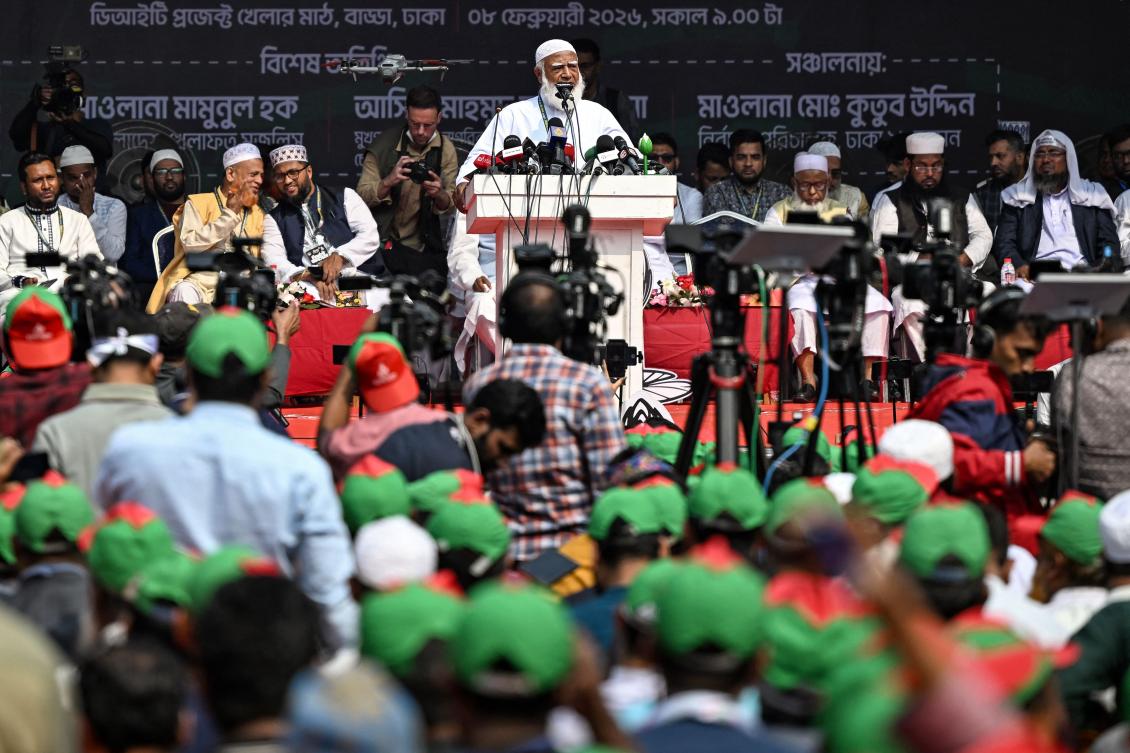
The electoral contest this time around is starkly different, with Hasina's Awami League party banned from participating, creating an unprecedented opening for other political forces. The primary contenders are the Bangladesh Nationalist Party (BNP), widely expected to secure a parliamentary majority, and a coalition led by the Jamaat-e-Islami, which is reportedly bolstered by a Gen Z-driven movement. This shift from a period of near one-party dominance to a more competitive environment is seen as a critical step towards democratic renewal. Analysts estimate that roughly a quarter of the electorate consists of voters under 30, making their participation and preferences crucial in determining the election's outcome.
Young voters, particularly those in Gen Z, are prioritizing issues that directly impact their lives. Instead of solely focusing on traditional ideological or religious narratives, they are expressing strong interest in tackling pervasive corruption, addressing the rising cost of living, and creating more job opportunities. Many first-time voters like Mohammad Rakib, 21, have voiced their desire for a government that ensures freedom of expression and respects the voice of the people, reflecting a weariness with the perceived lack of democratic space under the previous regime. Surveys conducted by Dhaka-based think tanks highlight corruption as the paramount concern among voters, followed closely by inflation.
Bangladesh is currently grappling with significant economic challenges, including high inflation, slowing investment, and an increasing reliance on international financing from institutions like the IMF and World Bank. This economic context means that voters are prioritizing leaders who demonstrate competence, accountability, and a clear plan to restore economic stability. The electoral outcome is also expected to have wider regional implications. With China's influence growing and India's sway potentially waning, the composition of the new government could influence regional dynamics. Observers suggest that a Jamaat-led government might lean closer to Pakistan, while a BNP government could pursue a more balanced foreign policy.
Historically, elections in Bangladesh have been marred by political violence, and this election is not without its risks. Reports indicate an uptick in clashes between partisans since August 2024. The absence of the Awami League from the ballot has introduced new dynamics, with concerns raised about potential resistance from its supporters to their party's exclusion. The student-led uprising in 2024, which led to Hasina's downfall, was initially sparked by opposition to job quotas and escalated into widespread violence. The interim government has been working on reforms, including a July National Charter for constitutional changes, which will be put to a referendum alongside the parliamentary vote. The election is viewed by many analysts as an opportunity to reset the democratic order after years of alleged rigging and repression. With over 2,000 candidates competing for 300 parliamentary seats, and a significant portion of candidates aged between 25 and 44, the election represents a significant moment for Bangladesh's democratic future.
Frequently Asked Questions
When is the next general election in Bangladesh?
Bangladesh is scheduled to hold its next general election on February 12, 2026.
What is the significance of Gen Z voters in this election?
Gen Z and young voters, making up approximately a quarter of the electorate, are considered decisive in shaping the outcome of the upcoming election. They are prioritizing issues such as corruption, unemployment, and economic stability.
Why is this election considered competitive?
This election is considered highly competitive because the ruling Awami League party has been banned from participating following the 2024 ousting of former Prime Minister Sheikh Hasina. This has opened the political space for other parties, most notably the Bangladesh Nationalist Party (BNP) and a coalition led by Jamaat-e-Islami, to contend more effectively.
What are the main issues voters are concerned about?
The primary concerns for voters, especially the youth, include tackling corruption, addressing high living costs, creating job opportunities, and ensuring freedom of expression. Economic stability is also a major priority.
What led to the removal of Sheikh Hasina?
Former Prime Minister Sheikh Hasina was ousted in August 2024 following widespread student-led protests that escalated from opposition to job quotas. Her 15-year rule ended after a period of unrest and a crackdown on protesters.