Saudi Arabia warns of military action as Iran attacks Riyadh amid regional talks
Saudi Arabia has issued a military threat against Iran following repeated missile and drone attacks, including one that targeted Riyadh during a meeting of regional foreign ministers. Iran has also proposed imposing tolls on ships passing through the Strait of Hormuz. Pakistan's potential involvement due to a defense pact with Saudi Arabia adds a nuclear dimension to the escalating conflict, though Pakistan's military is currently stretched thin. India maintains a neutral stance, urging de-escalation while safeguarding its interests.
Key Highlights
- Saudi Arabia reserves the right to take military action against Iran.
- Iran proposes tolls on ships transiting the Strait of Hormuz.
- Pakistan's defense pact with Saudi Arabia could draw it into the conflict.
- Regional foreign ministers met in Riyadh to discuss Iran's escalating attacks.
- India calls for de-escalation and maintains neutrality in the conflict.
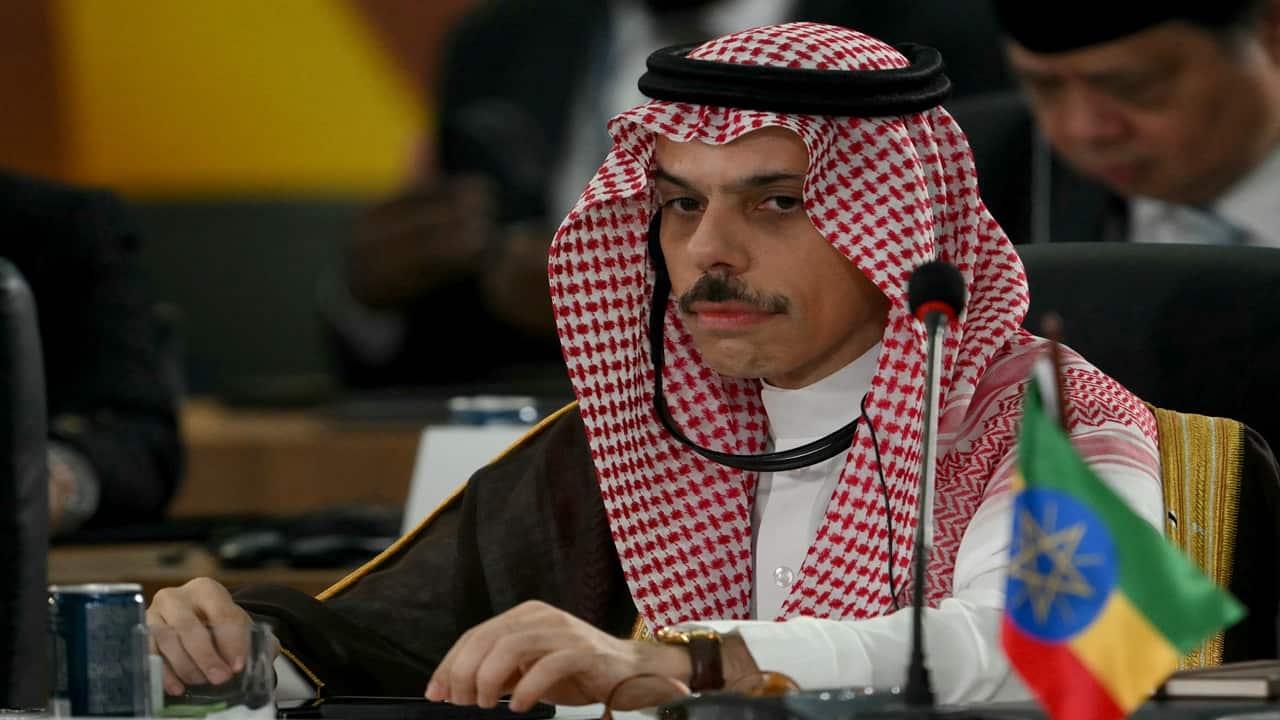
In a significant escalation of regional tensions, Saudi Arabia has issued a stern warning, reserving its right to take military action against Iran following a series of missile and drone attacks that have targeted the kingdom, including a direct strike on the capital, Riyadh, during a high-level meeting of Arab and Islamic foreign ministers. This development signals a potential shift from restraint to direct confrontation, as Saudi Arabia's patience is described as "not unlimited." The attacks, which have hit civilian infrastructure, energy facilities, and diplomatic areas, are seen as Iran's retaliation for earlier US-Israeli strikes on Iranian targets. The meeting in Riyadh, attended by ministers from over a dozen countries, including Turkey, the UAE, Jordan, and Pakistan, aimed to coordinate a response to the escalating conflict. However, the targeting of the Saudi capital during these crucial diplomatic talks underscored the gravity of the situation and Iran's perceived disregard for diplomacy.
Adding a complex layer to the geopolitical turmoil is the potential involvement of Pakistan. The kingdom has a mutual defense pact with Saudi Arabia, which analysts warn could be activated if Saudi Arabia enters the war, potentially drawing Pakistan into the conflict and introducing a nuclear dimension. However, Pakistan's military is currently overstretched due to internal security challenges, including instability along its border with Afghanistan, and economic pressures. Despite public affirmations of support for Saudi Arabia, Pakistan's practical involvement remains uncertain, with its leadership attempting a delicate balancing act to avoid direct confrontation with Iran while maintaining its alliance. This situation highlights the intricate web of alliances and rivalries shaping the Middle East.
Meanwhile, Iran has signaled its intent to leverage its position in the strategically vital Strait of Hormuz, with lawmakers proposing to impose tolls and taxes on ships transiting the waterway. This move, coupled with existing disruptions to maritime traffic, further exacerbates global energy supply concerns. The war has already seen Iran retaliate with drone and missile attacks across the region, targeting oil refineries and military bases in Saudi Arabia, and reportedly damaging US Air Force refueling aircraft. The impact on global energy markets has been significant, with oil prices soaring and European gas prices rising sharply.
India, a significant player in the region with growing ties to both Saudi Arabia and Iran, has adopted a cautious diplomatic approach. While condemning the attacks on energy infrastructure and calling for de-escalation and restraint from all sides, India aims to maintain its strategic autonomy and safeguard its economic interests. Its foreign policy has been characterized by a delicate balancing act, maintaining parallel relationships with conflicting parties. India has expressed concerns over the escalating hostilities and emphasized the need for dialogue, while also coordinating evacuation plans for its citizens in the region. The conflict presents a significant test to India's long-standing policy of neutrality and its ability to navigate complex regional realignments.
The broader geopolitical landscape sees a clear regional alignment forming against Tehran, with Arab and Islamic nations issuing a unified condemnation of Iran's actions. Saudi Arabia's warning of military action, coupled with the stated right of self-defense under Article 51 of the UN Charter, signals a firm stance against further escalation. The international community watches with concern as the conflict deepens, with potential ramifications for global energy security, regional stability, and broader geopolitical dynamics.
Frequently Asked Questions
What are the main reasons for the current escalation between Saudi Arabia and Iran?
The current escalation is largely a retaliation for US-Israeli strikes on Iran, leading to Iran launching missile and drone attacks on Saudi Arabia and other Gulf states. This has been compounded by a broader regional rivalry and proxy conflicts.
What is the significance of the Strait of Hormuz in this conflict?
The Strait of Hormuz is a vital chokepoint for global oil and gas transit. Iran's control and potential disruption of this waterway, including proposals for tolls, significantly impacts global energy markets and international shipping.
How might Pakistan get involved in the conflict between Saudi Arabia and Iran?
Pakistan has a mutual defense pact with Saudi Arabia. If Saudi Arabia escalates military action against Iran, this pact could theoretically draw Pakistan into the conflict, although Pakistan faces significant internal and economic challenges that make direct military intervention unlikely.
What is India's stance on the escalating conflict in the Middle East?
India is maintaining a position of cautious neutrality, calling for de-escalation and restraint from all parties. It is working to protect its economic interests and the safety of its citizens in the region while preserving its strategic autonomy.