H3N2 Flu Surge and Co-circulating Respiratory Viruses in Delhi-NCR
Delhi-NCR is experiencing a significant surge in respiratory illnesses, primarily driven by Influenza A (H3N2), with other viruses like Metapneumovirus and Influenza B also co-circulating. Medical experts report severe symptoms and prolonged recovery times, particularly affecting children and vulnerable populations, prompting health advisories for public awareness and preventive measures.
Key Highlights
- H3N2 Influenza A is the leading cause of the current respiratory virus surge in Delhi-NCR.
- Multiple viruses, including Metapneumovirus and Influenza B, are co-circulating.
- Symptoms are severe, featuring high fever, persistent cough, and prolonged recovery.
- Children and individuals with co-morbidities face higher risks of complications.
- The surge is linked to seasonal changes, pollution, and increased indoor gatherings.
- Health experts recommend vaccination and strict hygiene to prevent further spread.
Delhi-NCR is currently grappling with a substantial surge in respiratory illnesses, with Influenza A (H3N2) identified as the primary driver of this widespread outbreak. Medical experts across the region have reported a notable increase in cases, characterized by severe symptoms and extended recovery periods. This health concern is further compounded by the concurrent circulation of multiple other respiratory viruses, creating a complex epidemiological landscape.
According to medical professionals in Delhi-NCR, Influenza A (H3N2) is predominantly responsible for the current wave of infections. Dr. Arjun Dang, CEO of Dr. Dang's Lab, has specifically identified Influenza A (H3N2), Metapneumovirus, Coronaviruses, and Influenza B as the key viral agents circulating in the region. This co-circulation of various pathogens suggests a typical seasonal pattern observed during post-monsoon and winter transitions. Other reports also indicate the presence of Parainfluenza, Adenovirus, and Mycoplasma pneumoniae, contributing to the overall burden of respiratory infections.
The symptoms associated with the current surge are often more intense than those of a common cold or regular seasonal flu. Patients frequently present with high-grade fever, which can sometimes exceed 101-103°F (38.3-39.4°C), accompanied by severe body aches, chills, headaches, sore throat, and a persistent dry cough. A defining characteristic of this H3N2 wave is the prolonged recovery time, with many individuals experiencing symptoms for over ten days, and a lingering cough and weakness that can extend for several weeks. In children, less common symptoms like nausea, vomiting, or diarrhea have also been reported.
Vulnerable populations are particularly susceptible to severe illness and potential complications. Children, the elderly, pregnant women, and individuals with pre-existing health conditions such as diabetes, heart disease, lung ailments, or compromised immune systems are at a higher risk. Doctors emphasize that while the majority of cases in Delhi-NCR are mild and self-limiting, some severe cases, especially among children, may require hospitalization, including intensive care unit (ICU) admissions for conditions like pneumonia. For instance, Dr. Dhiren Gupta, a pediatric specialist at Sir Ganga Ram Hospital, noted that over 50% of children in outpatient departments are presenting with flu-like symptoms.
The surge in respiratory infections is attributed to a combination of factors. Cooler temperatures, fluctuating humidity levels, and rising air pollution contribute to an environment conducive to viral spread. Increased indoor crowding during such weather conditions also facilitates the transmission of these viruses.
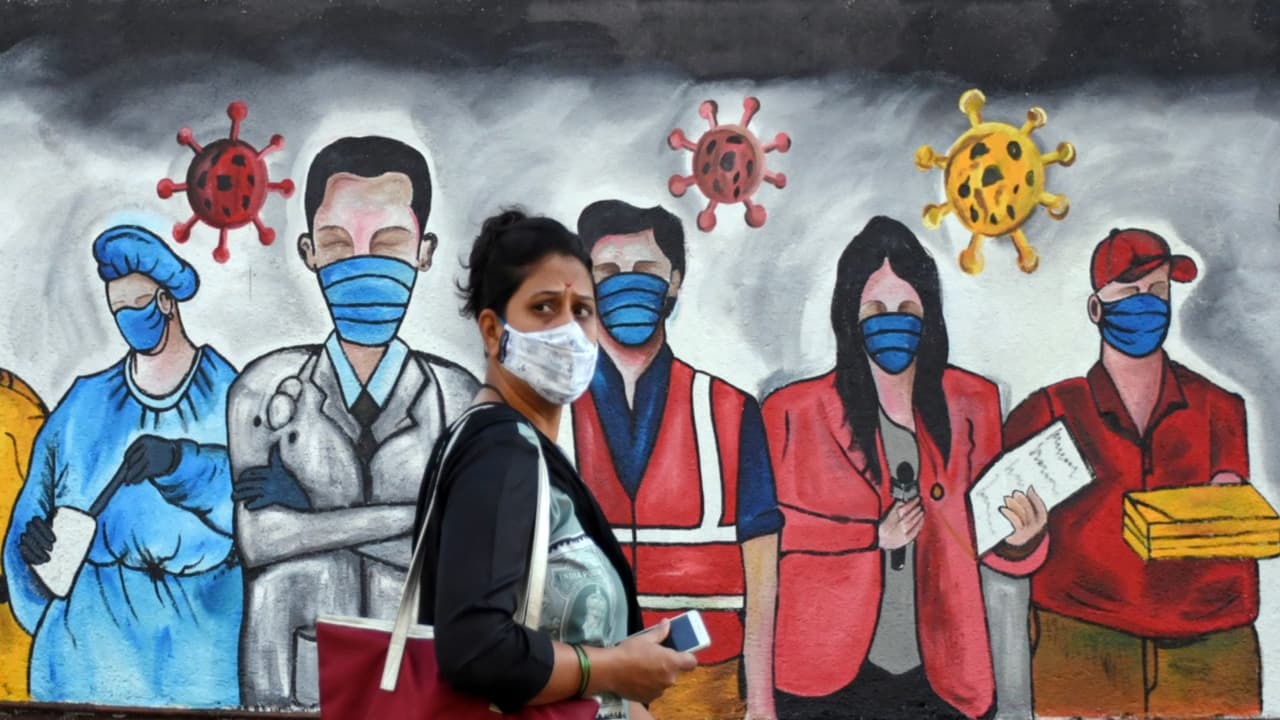
In response to the rising cases, health authorities and medical experts have issued advisories. The Indian Council of Medical Research (ICMR) has urged vigilance against respiratory illnesses nationwide. Preventive measures are crucial to curb the spread of the H3N2 virus and other co-circulating pathogens. These include getting annual flu vaccinations, which are considered the most effective preventive measure. Practicing strict hand hygiene by frequent washing with soap and water, avoiding touching the face, and using alcohol-based hand sanitizers are highly recommended. Wearing masks in crowded or poorly ventilated public spaces, maintaining a safe distance from individuals exhibiting flu-like symptoms, and covering the mouth and nose while coughing or sneezing are essential respiratory hygiene practices. Furthermore, individuals who feel unwell should stay home to prevent further transmission. Disinfecting frequently touched surfaces can also help reduce the viral load in shared environments.
Healthcare professionals advise seeking medical attention if symptoms worsen, such as persistent high fever, chest pain, breathlessness, or extreme dehydration. Early consultation with a doctor is particularly important for individuals with co-morbidities. While most cases resolve with rest, hydration, and symptomatic medication, antiviral drugs like oseltamivir may be prescribed in certain situations, especially if initiated early in the course of the illness. The public is cautioned against self-medication, particularly the use of antibiotics, as they are ineffective against viral infections like H3N2.
Overall, the situation in Delhi-NCR highlights the persistent challenge posed by seasonal respiratory viruses. Continuous surveillance, public awareness campaigns, and adherence to preventive health practices are vital to manage the current surge and mitigate its impact on public health.
Frequently Asked Questions
What is H3N2 Influenza A and why is it surging in Delhi-NCR?
H3N2 is a subtype of the Influenza A virus that causes seasonal flu. It is currently surging in Delhi-NCR as a primary driver of respiratory illnesses, likely due to factors such as cooler temperatures, fluctuating humidity, rising air pollution, and increased indoor gatherings that facilitate viral transmission.
What are the common symptoms of H3N2 flu and how long do they last?
Common symptoms include high-grade fever, severe body aches, chills, headache, sore throat, and a persistent dry cough. Recovery can be prolonged, with symptoms lasting over ten days and a lingering cough or weakness for several weeks, which is often more severe than a common cold.
Who is most at risk from the H3N2 virus and its complications?
Children, the elderly, pregnant women, and individuals with chronic health conditions (like diabetes, heart disease, lung ailments) or compromised immune systems are most vulnerable to severe illness and complications such as pneumonia.
What preventive measures should be taken against H3N2 and other respiratory viruses?
Preventive measures include getting annual flu vaccinations, practicing frequent handwashing, wearing masks in crowded places, avoiding close contact with sick individuals, maintaining respiratory hygiene (covering coughs/sneezes), staying home when unwell, and disinfecting frequently touched surfaces.
When should one seek medical attention for H3N2 symptoms?
While most cases are mild, medical attention should be sought if symptoms worsen significantly, including persistent high fever, chest pain, breathlessness, or extreme dehydration. Early consultation is crucial, especially for individuals in high-risk groups.