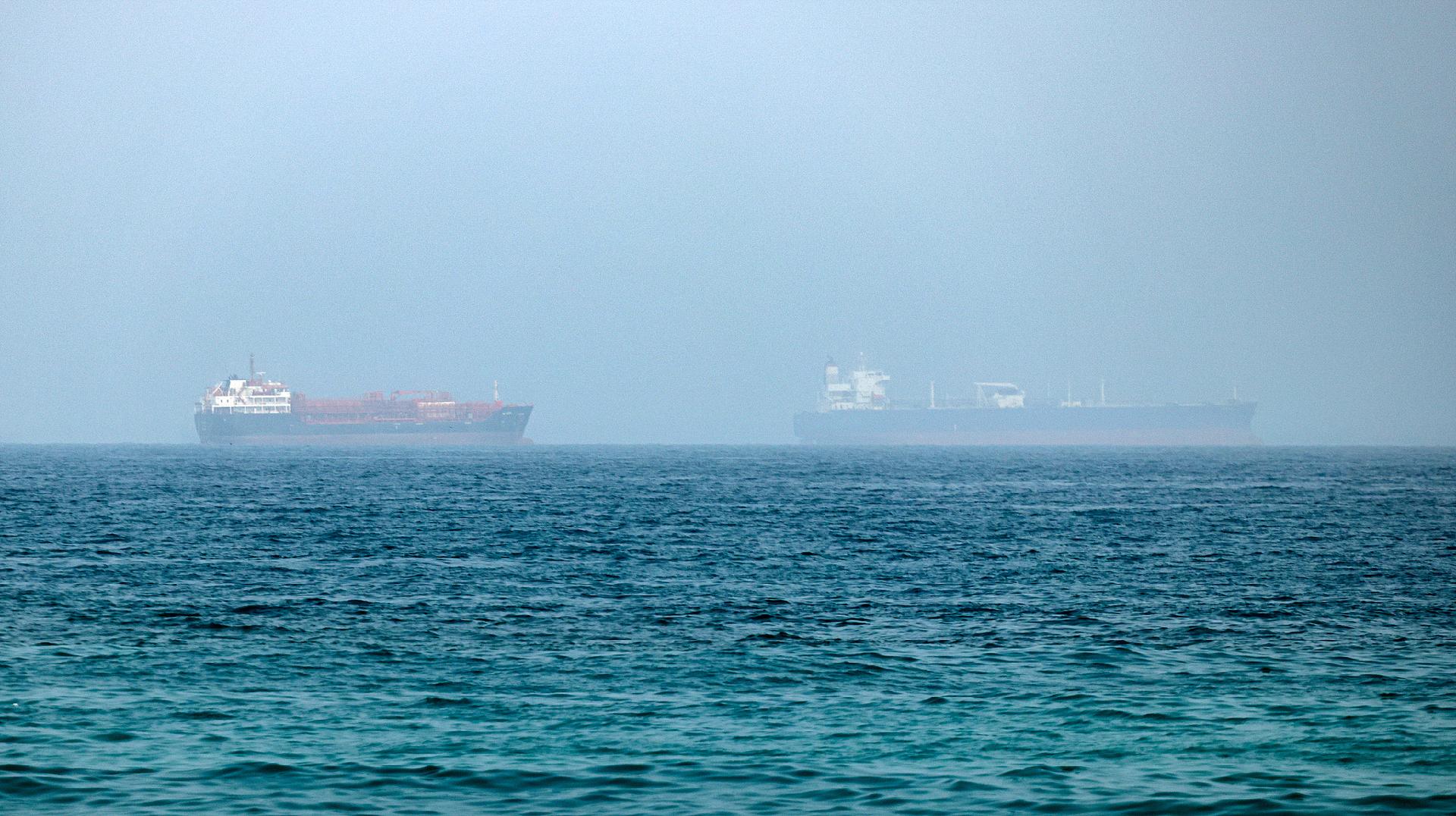
Iran Claims Permanent Control, Fees for Strait of Hormuz
Iran's chief negotiator, Mohammad Bagher Ghalibaf, has declared that the Strait of Hormuz will not revert to pre-war conditions and will be permanently administered by Tehran. This assertion follows recent US-Iran talks and escalating tensions, prompting international concerns over global energy security.
Key Highlights
- Iran declares permanent administration of Strait of Hormuz, rejecting 'pre-war' status.
- Statement made by chief negotiator Mohammad Bagher Ghalibaf amidst US-Iran talks.
- Tehran plans to impose maritime transit fees after August 17, 2026.
- US disputes Iran's control, calls claims 'false,' warns against attacks.
- Agreement on communication channel for safe passage reached in Switzerland talks.
- Geopolitical tensions high due to recent US strikes on Iranian targets.
Iran's chief negotiator and parliamentary speaker, Mohammad Bagher Ghalibaf, has repeatedly asserted that the strategically vital Strait of Hormuz will not return to its 'pre-war conditions' and will henceforth be administered by the Islamic Republic of Iran. This significant declaration, first made around June 23, 2026, and reiterated throughout July 2026, signals a major shift in Tehran's stance regarding the international waterway.
Ghalibaf's statements emerged following a series of high-stakes negotiations with the United States in Switzerland in June 2026. During these talks, discussions reportedly centered on maritime security in the Strait, sanctions relief, and the release of frozen Iranian assets, alongside the broader context of Israeli attacks on Lebanon. As a result of these diplomatic efforts, an agreement was reached to establish a communication mechanism between Tehran and Washington. This channel aims to prevent incidents and ensure the safe passage of commercial vessels through the strait, a critical corridor for global energy shipments. Additionally, Iran announced progress on the release of $12 billion in frozen assets, and the United States issued a 60-day waiver allowing Iranian oil exports and related services.
However, the situation remains highly volatile. Despite the diplomatic progress in June, recent developments have strained the fragile June 18, 2026, interim peace Memorandum of Understanding (MoU). Notably, the US launched retaliatory strikes on Iranian coastal targets, including Qeshm and Greater Tunb islands, on July 15, 2026, following renewed maritime tensions. This military action underscores the ongoing confrontation and heightens concerns over potential disruptions to strategic transit lanes.
Iran's assertion of administrative control over the Strait of Hormuz involves more than just rhetoric. Tehran has indicated its intention to impose maritime transit fees on vessels passing through the Strait after the current 60-day toll-free window, which was part of the earlier agreements, expires around August 17, 2026. This move, if implemented, would represent a fundamental alteration to the status quo of international navigation in the Strait, which traditionally operates under principles of freedom of navigation.
The United States, through its Central Command (CENTCOM), has vehemently rejected Iran's claims of control over the Strait of Hormuz, labeling them as "false." CENTCOM insists that the global shipping lane "remains open for passage" and that merchant vessels continue to transit with assistance from US forces. US officials have explicitly demanded that Iran issue a public statement acknowledging that all channels of the Strait of Hormuz are open and commit to ceasing attacks on commercial ships, warning of severe consequences if these demands are not met. US Secretary of State Marco Rubio also warned Asian leaders that Iran's demands would set a dangerous precedent for international waterways globally.
This dispute over the Strait of Hormuz carries immense geopolitical and economic significance. The Strait is the world's most critical crude oil shipping route, facilitating the daily movement of a major share of global petroleum exports. Any escalation or disruption to navigation freedoms here could trigger significant market volatility and global supply chain disruptions, impacting energy prices and economies worldwide. For an audience in India, this is particularly crucial given India's reliance on oil imports, a substantial portion of which transits through the Strait of Hormuz. Stability in this region is paramount for India's energy security and economic stability. The current situation, characterized by Iranian declarations of control and US counter-assertions, coupled with ongoing military tensions in West Asia, places the Strait of Hormuz at the forefront of global strategic concerns.
Frequently Asked Questions
What is Iran's main claim regarding the Strait of Hormuz?
Iran's chief negotiator, Mohammad Bagher Ghalibaf, has stated that the Strait of Hormuz will not return to its 'pre-war conditions' and will be permanently administered by the Islamic Republic of Iran, with plans to introduce maritime transit fees.
How has the United States responded to Iran's claims?
The United States Central Command (CENTCOM) has called Iran's claims of controlling the Strait of Hormuz 'false,' asserting that the global shipping lane remains open for international passage. The US is demanding Iran publicly acknowledge this and cease attacks on commercial vessels.
What is the significance of the Strait of Hormuz globally?
The Strait of Hormuz is the world's most crucial crude oil shipping route, through which a significant portion of global petroleum exports pass daily. Any disruption can lead to global energy price volatility and supply chain issues.
What are the recent developments in US-Iran relations concerning the Strait?
Following talks in Switzerland in June 2026, the US and Iran agreed to establish a communication mechanism for the Strait and Iran saw progress on frozen asset release and oil waivers. However, recent US retaliatory strikes on Iranian coastal targets in July 2026 have escalated tensions.
Why is this news particularly important for India?
India is heavily reliant on oil imports, a substantial portion of which transits through the Strait of Hormuz. Any instability or disruption in the Strait directly impacts India's energy security and economic stability.