Nepal Royalists Demand Monarchy's Return Amidst March 2026 Election Preparations | Quick Digest
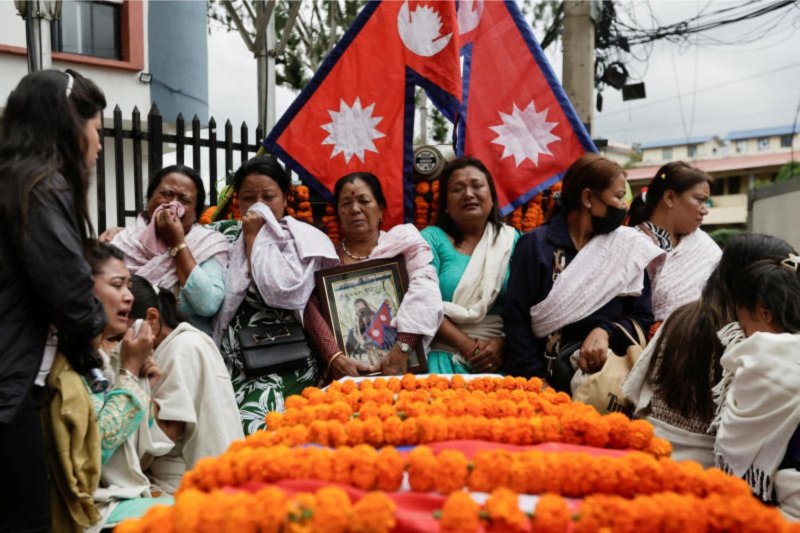
Nepalese royalists recently rallied in Kathmandu, demanding the restoration of the monarchy led by former King Gyanendra ahead of parliamentary elections scheduled for March 2026. The protests, occurring amidst public dissatisfaction with political instability and corruption, follow earlier youth-led demonstrations that brought down the previous government. Royalists advocate the monarchy as a solution to Nepal's ongoing political challenges.
Nepalese royalists held rallies demanding monarchy restoration in Kathmandu.
Demands come ahead of parliamentary elections scheduled for March 2026.
Royalists view monarchy as a stable alternative to current political instability.
Protests follow recent youth-led anti-corruption demonstrations in September 2025.
Former King Gyanendra's return is sought amidst widespread public dissatisfaction.
The article reports that Nepalese royalists held significant rallies in Kathmandu on January 11, 2026, demanding the restoration of the monarchy, with chants of "We love our king. Bring back the king". These demonstrations, which coincided with the birth anniversary of King Prithvi Narayan Shah, highlight growing public support for the return of the deposed King Gyanendra. The royalist movement is gaining momentum ahead of crucial parliamentary elections slated for March 5, 2026.
The calls for monarchy restoration come amidst widespread dissatisfaction with Nepal's current political landscape, marked by perceived corruption, lack of opportunities, unemployment, and poor governance. These grievances recently fueled a wave of youth-led "Gen Z" protests in September 2025, which led to the collapse of the previous government and the installation of an interim administration headed by Prime Minister Sushila Karki. Royalist proponents argue that the monarchy offers the "last and only alternative" for managing the country's turbulent situation and restoring stability.
Nepal abolished its 240-year-old monarchy in 2008, transitioning to a republic after a decade-long civil war and a democratic uprising that forced King Gyanendra to step down. While past pro-king rallies, including one in March 2025, have seen violent clashes and fatalities, the recent January 11 demonstration was reported as peaceful, with riot police maintaining a close watch. The increasing public expressions of loyalty towards the former royal family reflect a broader frustration with political instability and slow economic development, indicating a desire for significant political change in the Himalayan nation. The upcoming March 2026 elections are therefore set against a backdrop of significant social and political ferment.
Read the full story on Quick Digest