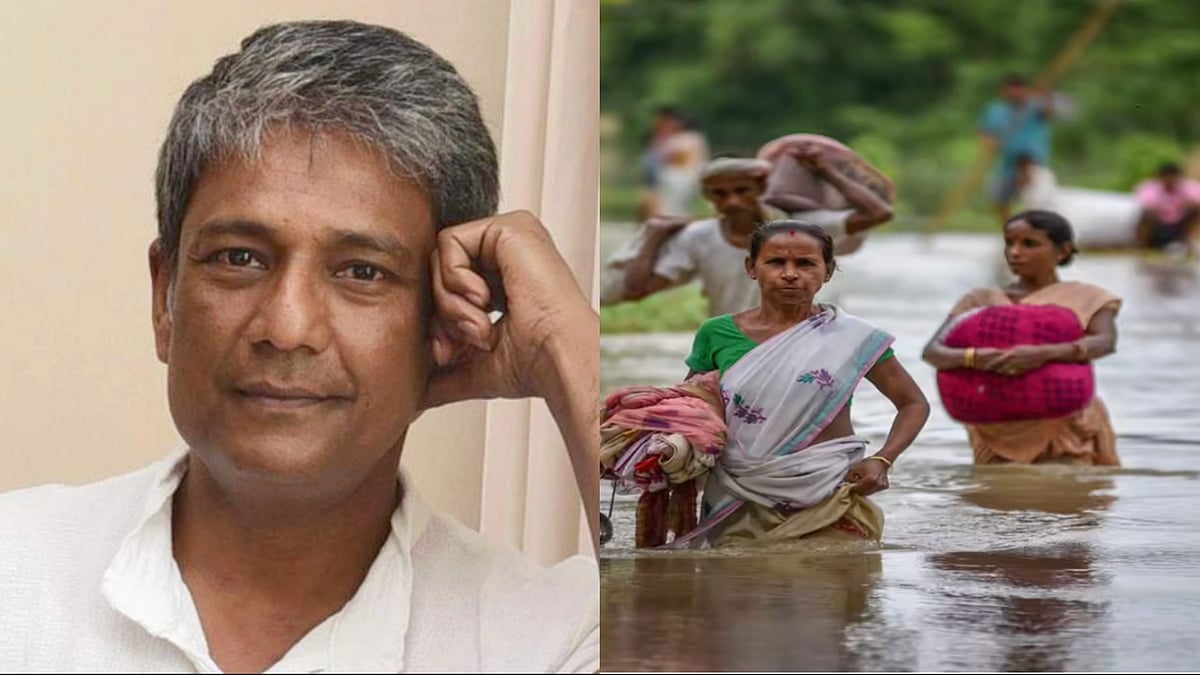
Assam Flood Crisis: 68 Dead, Lakhs Affected by Monsoon Deluge
Assam is grappling with severe monsoon floods, resulting in 68 fatalities and impacting over 5.24 lakh people across multiple districts. While relief operations are underway by the Indian Army and disaster response teams, the situation remains challenging as thousands are displaced and vast areas of cropland submerged.
Key Highlights
- Monsoon floods have claimed 68 lives in Assam as of July 27, 2026.
- Over 5.24 lakh (524,000) people are currently affected across five districts.
- Charaideo, Sivasagar, and Jorhat are among the worst-hit districts.
- Indian Army, NDRF, and SDRF are actively engaged in rescue and relief operations.
- Thousands are displaced, taking shelter in relief camps and distribution centers.
- Significant agricultural land and infrastructure have been damaged by the floods.
India's northeastern state of Assam is currently experiencing a severe flood crisis, triggered by incessant monsoon rains and the overflowing Brahmaputra River. As of July 27, 2026, the devastating floods have claimed the lives of 68 people. The flood situation, while showing signs of improvement in some areas as water levels recede, continues to affect over 5.24 lakh (524,000) people across at least five districts.
Earlier in the week, reports indicated that more than 7 lakh people were affected across 9 to 12 districts, underscoring the widespread impact of the deluge. The worst-hit districts include Charaideo, Sivasagar, and Jorhat, where hundreds of thousands of residents are reeling under the floodwaters. Charaideo alone reported nearly 1.9 lakh affected individuals, making it one of the most severely impacted areas.
The floods have caused extensive damage to property, infrastructure, and livelihoods. Approximately 763 villages remain submerged, and close to 48,742 hectares of agricultural land have been rendered unusable for the current season. This comes after an earlier assessment reported over 56,606 hectares of crop area submerged. The loss of crops poses a significant threat to the agrarian economy of the region and the food security of affected families. Additionally, crucial infrastructure such as bridges and embankments have sustained visible damage, further hampering connectivity and relief efforts.
In response to the escalating crisis, the Indian Army has intensified its flood relief operations under 'Operation Jal Rahat', deploying four Flood Relief Columns in the affected districts of Sivasagar, Charaideo, and Jorhat. These teams, equipped with rescue boats, medical supplies, and engineering resources, are actively involved in evacuating stranded civilians and providing emergency medical aid and relief materials. The operations are being conducted in close coordination with the District Administrations, the National Disaster Response Force (NDRF), and the State Disaster Response Force (SDRF). Relief camps and aid distribution centers have been established across four districts, providing shelter and essentials to over 37,724 displaced individuals. Prime Minister Narendra Modi has also extended full support to the Assam government in managing the disaster.
Experts attribute the intensifying monsoon patterns and subsequent extreme flooding events in South Asia, including Assam, to human-caused climate change. Historically, Assam is prone to annual flooding during the monsoon season, which typically runs from June to September. However, recent years have seen more erratic and intense rainfall, leading to severe deluges. While the current floods are undoubtedly devastating for the affected communities, comparing them to previous major flood events reveals a nuanced picture. For instance, the 2022 floods in Assam were considered the worst in a decade, affecting over 88 lakh people and causing 181 deaths. Similarly, the 2020 floods impacted over five million people and resulted in 149 fatalities. Therefore, while the emotional impact and personal losses for those affected by the current floods are profound, statistically, the claim of 'worst floods in years' may be an exaggeration when looking at the overall fatalities and total affected population compared to these specific past events. The ongoing situation highlights the urgent need for robust disaster preparedness and climate adaptation strategies in the region.
Frequently Asked Questions
What is the current death toll from the Assam floods?
As of July 27, 2026, the severe monsoon floods in Assam have resulted in 68 confirmed fatalities.
How many people are currently affected by the floods in Assam?
Over 5.24 lakh (524,000) people remain affected across at least five districts in Assam due to the ongoing floods.
Which districts are most severely impacted by the Assam floods?
Charaideo, Sivasagar, and Jorhat are among the worst-hit districts, experiencing widespread inundation and significant impact on residents.
What relief efforts are underway in Assam?
The Indian Army, along with NDRF and SDRF, is conducting extensive rescue and relief operations, including evacuating stranded civilians, providing medical aid, and distributing essential supplies. Relief camps have also been set up.
Are the current Assam floods the worst in recent years?
While extremely severe and devastating for those affected, statistically, the current floods are not the worst in terms of total fatalities or affected population when compared to the 2022 floods (181 deaths, 88 lakh affected) or 2020 floods (149 deaths, 50 lakh affected).