Priyanka Gandhi, Venugopal Decry Police Action on NEET Protesters
Priyanka Gandhi and D. Raja have demanded accountability for alleged police brutality against NEET protesters. The protests, sparked by the NEET-UG 2026 paper leak, led to clashes in Delhi, with allegations of excessive force including pellet guns. The Supreme Court is monitoring the situation and has ordered the release of underage protesters without criminal records. Union Education Minister Dharmendra Pradhan resigned following the controversy.
Key Highlights
- Congress leaders Priyanka Gandhi and D. Raja demand accountability for police action on NEET protesters.
- Allegations of excessive force, including pellet guns, used against students during protests.
- Supreme Court to hear petitions on police excesses and ordered release of minors.
- Union Education Minister Dharmendra Pradhan resigned taking moral responsibility for the NEET controversy.
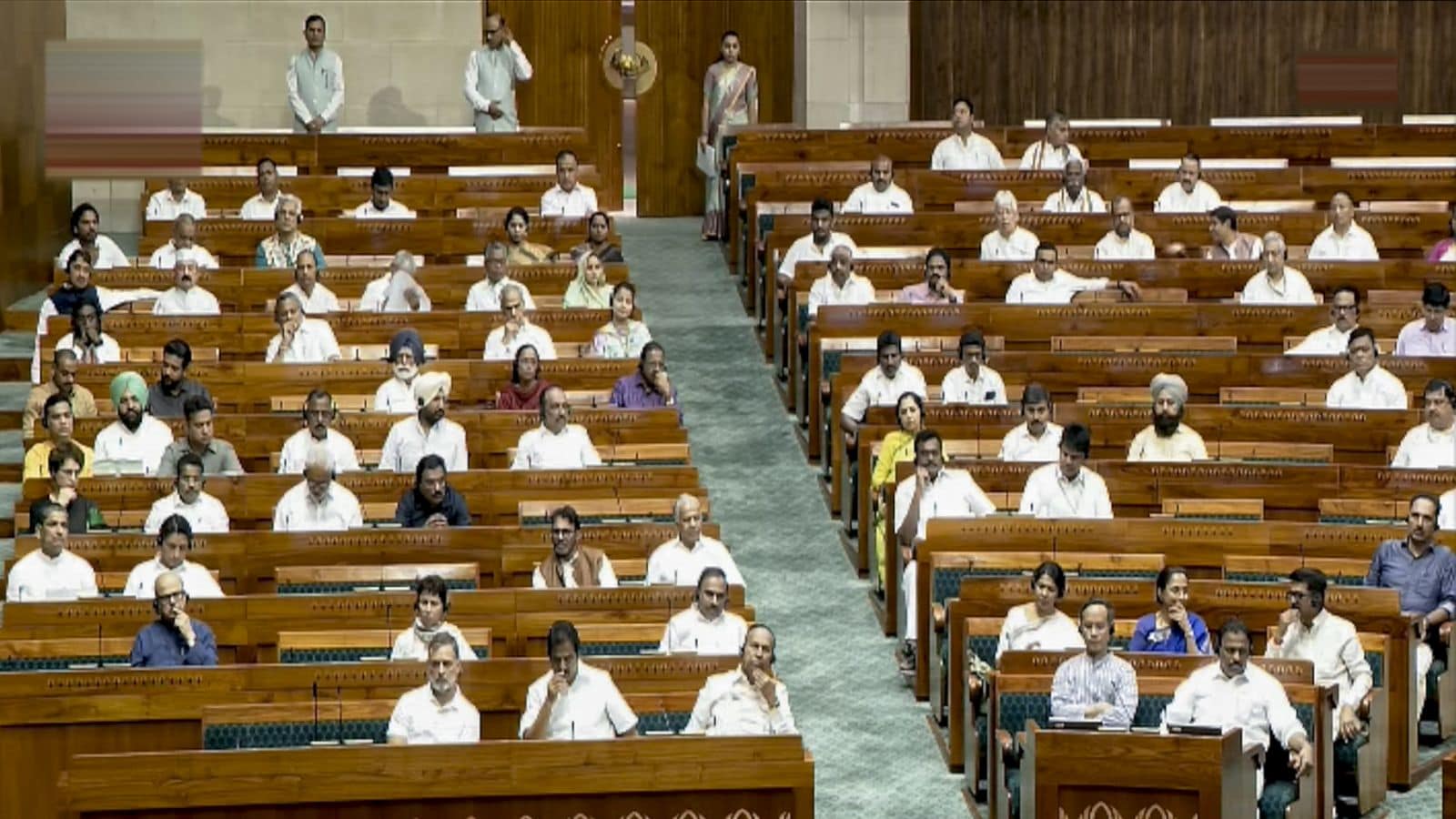
- Lok Sabha debated an amendment to the anti-paper leak law amidst the ongoing controversy.
The recent NEET-UG 2026 examination paper leak has ignited widespread student protests across India, drawing sharp criticism from political leaders, notably Priyanka Gandhi and D. Raja. These protests have been met with allegations of police brutality, including the use of pellet guns and excessive force against demonstrators. The situation has escalated to the Supreme Court, which has indicated it will consider constituting a high-powered investigation team to examine these allegations impartially. The court has also ordered the immediate release of all detained protesters under the age of 18 who do not have criminal records, and has restrained police from taking coercive action against student protesters without criminal antecedents. This judicial intervention underscores the seriousness with which the allegations of police excesses are being treated.
The controversy has had significant political ramifications, leading to the resignation of Union Education Minister Dharmendra Pradhan. Pradhan stepped down, stating he was taking moral responsibility for the NEET-UG 2026 paper leak controversy, which he described as having caused a "web of confusion" for the nation's youth. His resignation was accepted by the President, and Pralhad Joshi was given the additional charge of the Ministry of Education. The government has also taken steps to address the paper leak issue by ordering a CBI probe, cancelling the examination, and announcing a re-examination. Furthermore, plans are underway to shift the NEET-UG examination to a Computer-Based Test (CBT) mode from the next year and to introduce stricter anti-cheating measures. The Lok Sabha has been debating the Public Examinations (Prevention of Unfair Means) Amendment Bill, 2026, aimed at enhancing penalties for exam malpractices, with the opposition using the floor to highlight the alleged police crackdown on student protesters. Opposition leaders, including Priyanka Gandhi, have vociferously condemned the government's handling of the protests and the use of force against students, questioning the authorities' response and demanding accountability from top officials like Home Minister Amit Shah. The protests have seen participation from various student bodies and political organizations, including the Cockroach Janta Party (CJP), which led significant demonstrations in Delhi. Several states, including West Bengal, Bihar, Assam, and Maharashtra, have announced the withdrawal of cases against protesters, in line with the Supreme Court's directions. The recurring nature of such examination-related controversies, including a similar incident in 2024, highlights the persistent challenges in ensuring the integrity of India's high-stakes entrance examinations. The public discourse has also seen political leaders employing contemporary slang, as noted during the Lok Sabha debates, reflecting the evolving communication styles in political narratives. The demand for accountability extends beyond the education ministry, with opposition leaders also calling for answers from the Home Ministry regarding the police actions during the protests. The overall situation emphasizes a complex interplay of educational reform, student rights, political accountability, and the broader implications for the future of India's youth.
Frequently Asked Questions
What is the NEET-UG 2026 controversy about?
The NEET-UG 2026 controversy involves alleged irregularities, primarily a paper leak, in the National Eligibility cum Entrance Test (Undergraduate) conducted for admission to medical and dental programs in India. This led to widespread student protests and demands for action.
Why did Priyanka Gandhi and D. Raja demand accountability?
Priyanka Gandhi and D. Raja, along with other opposition leaders, demanded accountability from the government regarding the alleged police brutality against students protesting the NEET-UG 2026 irregularities. They specifically raised concerns about the use of force, including pellet guns, on peaceful demonstrators.
What was the outcome of the Supreme Court's involvement?
The Supreme Court is hearing petitions concerning alleged police excesses during the NEET protests. It has ordered the immediate release of detained minors without criminal records and has indicated it will consider forming an independent investigation team to look into the allegations of police violence.
What happened to Union Education Minister Dharmendra Pradhan?
Union Education Minister Dharmendra Pradhan resigned from his post, taking moral responsibility for the NEET-UG 2026 controversy. He stated his decision was to prevent the country's youth from being caught in a "web of confusion" and to ensure their futures were not hampered.
What steps are being taken to address the NEET issue?
The government has ordered a CBI probe into the paper leak, cancelled the examination, and announced a re-examination. Plans are also in motion to shift NEET-UG to a Computer-Based Test (CBT) mode from next year and to strengthen anti-cheating laws, as reflected in the ongoing debate on the Public Examinations (Prevention of Unfair Means) Amendment Bill, 2026 in the Lok Sabha.