Potentially Hazardous Asteroid 2005 UK1 Safely Flies Past Earth | Quick Digest
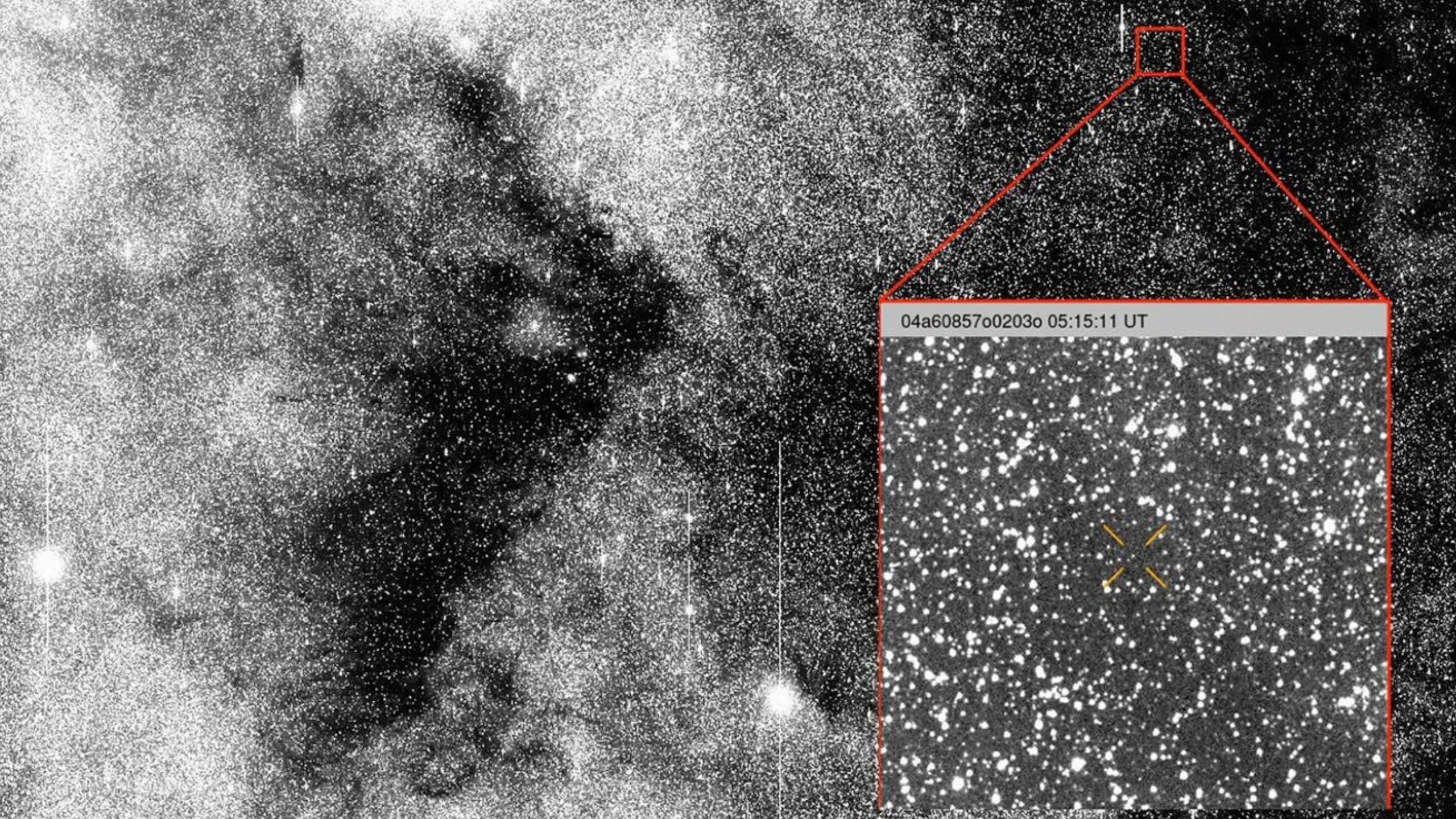
Asteroid (242708) 2005 UK1, classified as "Potentially Hazardous" due to its size and orbital characteristics, safely passed Earth on January 12, 2026. It posed no threat, maintaining a distance of 12.4 million kilometers.
Asteroid (242708) 2005 UK1 made a close, safe approach to Earth.
It is classified as a Potentially Hazardous Asteroid (PHA).
The asteroid passed at a safe distance of 12.4 million kilometers.
No risk of impact to Earth from this encounter.
The Virtual Telescope Project captured an image of the asteroid.
Its size is estimated between 0.6 and 1.4 kilometers.
The Potentially Hazardous Asteroid (242708) 2005 UK1 had a close encounter with Earth on January 12, 2026, specifically at 13:21 UTC. Despite its classification as a 'Potentially Hazardous Asteroid' (PHA), which refers to objects large enough (over 100-140 meters) and with orbits that could, in theory, bring them close to Earth over time, the asteroid passed at a perfectly safe distance of approximately 12.4 million kilometers (about 0.083 AU or 32 times the average Earth-Moon distance). Multiple credible sources, including Forbes, EarthSky, and ummid.com, corroborated that this flyby posed absolutely no risk of impact to our planet. The Virtual Telescope Project 2.0, a reputable astronomical facility known for its real-time observations and public outreach, successfully captured and published an image of the asteroid on January 11, 2026, when it was near its closest approach. Asteroid 2005 UK1 was discovered on October 24, 2005, by the Mt. Lemmon Survey in Arizona, USA. Its estimated diameter ranges from 0.6 to 1.4 kilometers, making it a significant object in astronomical terms. The event underscores ongoing efforts in planetary defense and the importance of monitoring near-Earth objects, while also clarifying that a 'potentially hazardous' label does not equate to an imminent threat.
Read the full story on Quick Digest