WHO Warns Congo's Neighbors at High Risk of Ebola Spread
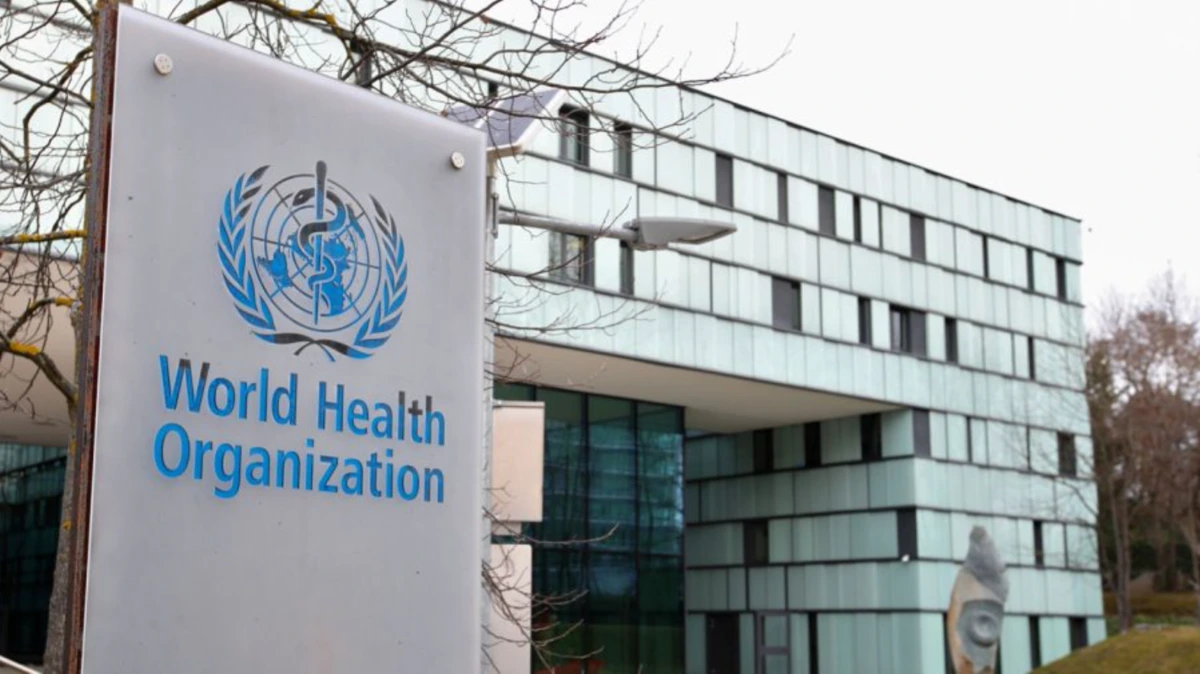
The World Health Organization's Director-General has stated that countries neighboring the Democratic Republic of Congo (DRC) are at high risk of Ebola transmission. The outbreak, caused by the Bundibugyo virus, is spreading rapidly, with concerns about its potential to overwhelm response efforts in the region. Immediate action is urged for neighboring nations to counter the virus.
Key Highlights
- WHO chief highlights high Ebola risk for Congo's neighbors.
- Bundibugyo virus outbreak spreading rapidly in DRC and Uganda.
- Neighboring countries urged to take immediate action.
- Response efforts are being outpaced by the epidemic's speed.
- Lack of approved vaccines for Bundibugyo strain complicates containment.
- Insecurity in DRC exacerbates challenges in controlling the outbreak.
The World Health Organization (WHO) has issued a stark warning, emphasizing that countries bordering the Democratic Republic of Congo (DRC) are at a significantly elevated risk of Ebola transmission. According to WHO Director-General Tedros Adhanom Ghebreyesus, the ongoing outbreak, caused by the rare Bundibugyo strain of the virus, is spreading rapidly and outpacing response efforts. The urgency of the situation prompted the WHO to upgrade its risk assessment to "very high" at the national level within the DRC and to maintain a "high" risk assessment at the regional level. Neighboring countries have been advised to take immediate action to bolster their preparedness and containment strategies.
The outbreak, which was officially declared on May 15, 2026, in both the DRC and Uganda, has presented considerable challenges to health authorities. The Bundibugyo virus species is particularly concerning because there are currently no approved vaccines or specific treatments available for it, unlike the more commonly detected Zaire ebolavirus. This lack of readily available countermeasures complicates containment efforts significantly.
Dr. Ghebreyesus noted that the epidemic in the DRC is substantial, with a growing number of suspected cases and deaths. By May 25, 2026, there were over 900 suspected cases and 220 suspected deaths reported in the DRC alone. Uganda had also reported confirmed cases and fatalities, though its situation was described as stable. The WHO declared the outbreak a public health emergency of international concern on May 17, 2026, underscoring the gravity of the situation.
Several factors contribute to the rapid spread and the heightened risk to neighboring countries. These include high population mobility, robust trade and travel links between nations, and ongoing insecurity in eastern DRC. The complex humanitarian crisis and a lack of adequate health infrastructure in remote, densely populated areas of the DRC further exacerbate the difficulties in controlling the outbreak.
The WHO is working in close partnership with the governments of the DRC and Uganda, as well as the Africa Centres for Disease Control and Prevention (Africa CDC) and other international partners, to scale up response efforts. This includes strengthening surveillance, contact tracing, clinical management, community engagement, and cross-border preparedness.
For India's audience, the relevance lies in understanding global health security challenges and India's role in international response efforts. India has actively participated in providing medical supplies and financial assistance to support the Ebola response in Africa. For instance, India donated emergency pharmaceutical supplies to the Africa CDC and pledged significant financial aid to bolster preparedness and response measures. This highlights India's commitment to global health and its growing role in supporting African nations during health crises.
As of September 7, 2026, the cumulative number of confirmed cases in the DRC had reached 6,757, with 3,267 deaths, reflecting a case fatality ratio of 48.3%. While Uganda officially declared its Ebola outbreak over on August 26, 2026, after meeting the required 42-day period without new infections, the situation in the DRC remained ongoing.
The news category is primarily Health and International Affairs, with implications for Global Public Health and Emergency Response. The story is relevant to multiple countries, including the DRC, Uganda, and their neighbors, and has global implications due to the nature of infectious disease outbreaks and international cooperation in combating them.
The source, Arab News, is rated as "Questionable" by Media Bias/Fact Check due to excessive government censorship and a tendency towards pro-state propaganda, often resulting in one-sided reporting. While it may be usable for topics unrelated to the Saudi Arabian government, its credibility for political matters is mixed.
The headline accurately reflects the WHO chief's statement about the high risk to Congo's neighbors and is not sensationalized. The article is primarily a news report based on official statements and reports from the WHO and other health organizations.
Frequently Asked Questions
Which virus strain is causing the current Ebola outbreak?
The current Ebola outbreak is caused by the Bundibugyo virus, a less common strain for which there are no approved vaccines or specific treatments.
Why are Congo's neighboring countries at high risk?
Neighboring countries are at high risk due to high population mobility, trade and travel links, and the rapid spread of the virus, which is outpacing response efforts.
What is the WHO's assessment of the risk level?
The WHO has classified the risk as 'very high' at the national level within the DRC, 'high' at the regional level, and 'low' at the global level.
What is being done to combat the outbreak?
The WHO, in collaboration with African CDC and national governments, is scaling up response efforts including surveillance, contact tracing, clinical management, and community engagement. International partners are also providing medical supplies and financial aid.