Trump Imposes Tariffs on 8 European Nations Over Greenland Stance | Quick Digest
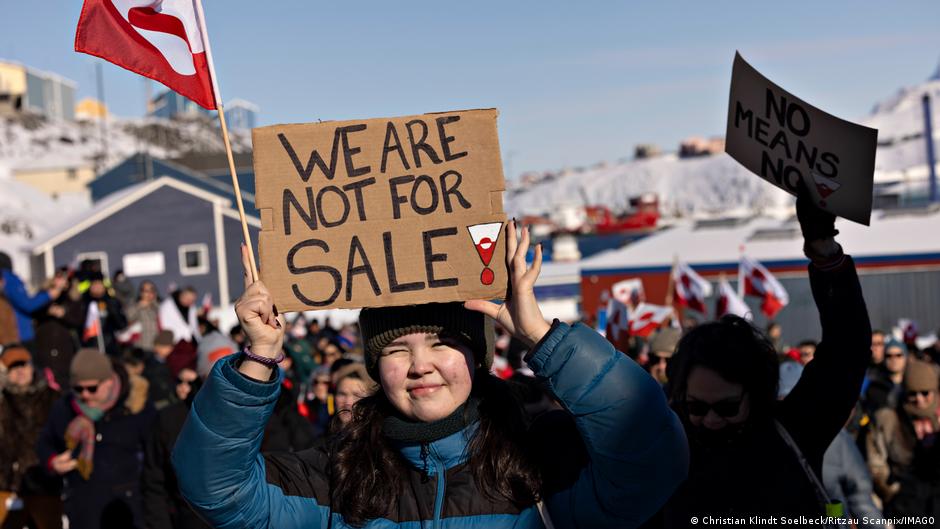
Former U.S. President Donald Trump announced 10% tariffs on eight European countries, including Denmark and the UK, effective February 1, 2026. The move retaliates against their opposition to U.S. control of Greenland and their military presence there, escalating transatlantic tensions.
Trump announced 10% tariffs on eight European nations.
Tariffs target opposition to U.S. acquisition of Greenland.
Affected countries include Denmark, UK, France, and Germany.
Tariffs set to increase to 25% by June 1, 2026, if no deal.
Decision made public via Truth Social on January 17, 2026.
Move heightens global trade and geopolitical tensions.
Former U.S. President Donald Trump, on January 17, 2026, declared the imposition of a 10% import tariff on eight European countries for their alleged opposition to the United States' acquisition of Greenland. The tariffs, announced via his Truth Social platform, are slated to take effect on February 1, 2026, and will escalate to 25% by June 1, 2026, unless a deal for the "Complete and Total purchase of Greenland" is reached. The countries targeted are Denmark, Norway, Sweden, France, Germany, the United Kingdom, the Netherlands, and Finland. Trump stated that these nations are "playing this very dangerous game" by sending military personnel to Greenland and collectively opposing his administration's interest in the autonomous Danish territory, which he deems crucial for U.S. national security. This bold move has been met with protests in Greenland and Denmark and has drawn strong condemnation from European leaders, who warn of a potential "downward spiral" in transatlantic relations and significant strains on the NATO alliance. The announcement reflects Trump's renewed efforts in his second presidency to acquire Greenland, a proposition initially raised in 2019 but rejected by Denmark. The decision is poised to significantly impact international trade and geopolitical stability, raising questions about its legality under U.S. law and its broader implications for global alliances.
Read the full story on Quick Digest