India Weighs Fuel and LPG Price Hike Amid Global Crude Oil Surge
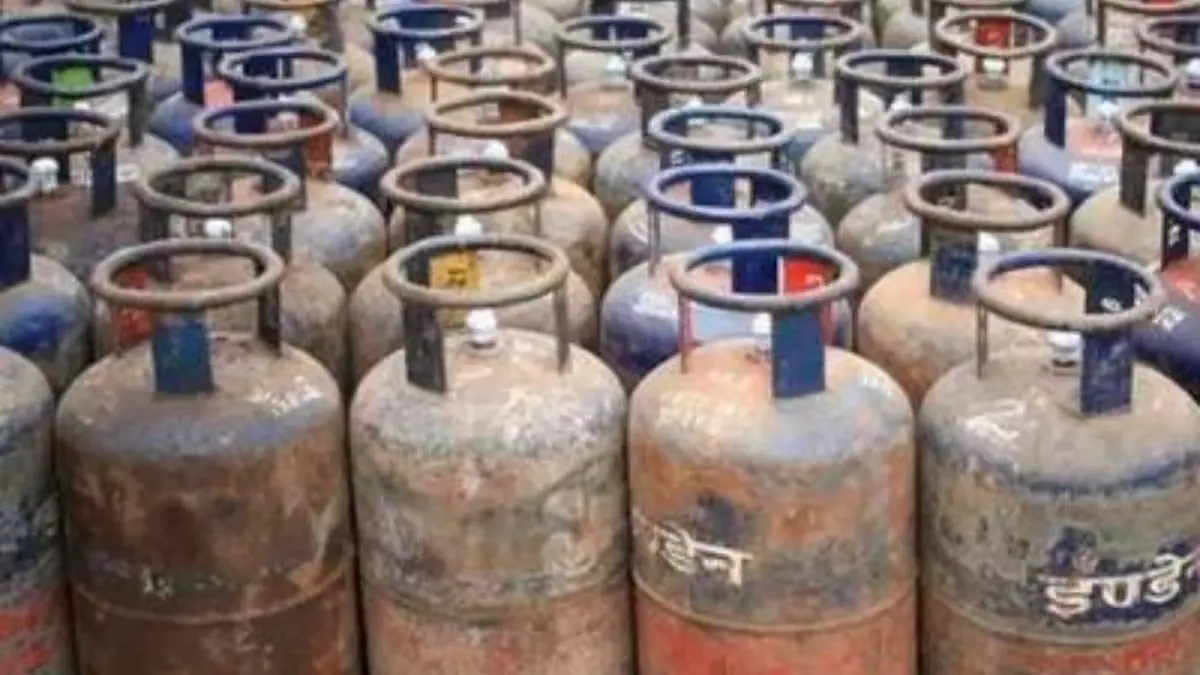
India is contemplating a potential increase in fuel and LPG prices due to rising global crude oil costs driven by geopolitical tensions in West Asia. Government sources indicate a possible hike of Rs 4-5 per litre for petrol and diesel, and Rs 40-50 per cylinder for domestic LPG. This would be the first such increase in nearly four years, as retail prices have been largely unchanged since 2022, leading to significant losses for oil marketing companies. A final decision is expected within the next 5-7 days, balancing the need to support oil companies with concerns about inflation and the government's fiscal burden.
Key Highlights
- Fuel and LPG prices may increase soon.
- Hike attributed to rising global crude oil prices.
- Potential increase of Rs 4-5/litre for petrol/diesel.
- Domestic LPG could rise by Rs 40-50/cylinder.
- Decision on hike expected within 5-7 days.
India is currently evaluating a significant revision in fuel and Liquefied Petroleum Gas (LPG) prices, with government sources indicating that an increase is highly probable. This potential hike, estimated at Rs 4-5 per litre for petrol and diesel and Rs 40-50 per cylinder for domestic LPG, is primarily driven by the sharp surge in global crude oil prices, exacerbated by escalating geopolitical tensions in West Asia.
This potential increase would mark the first revision in retail petrol and diesel prices in nearly four years, as prices have remained largely frozen since 2022. The prolonged freeze has put substantial financial pressure on state-owned Oil Marketing Companies (OMCs) like Indian Oil Corporation (IOC), Bharat Petroleum (BPCL), and Hindustan Petroleum (HPCL), forcing them to absorb significant losses, estimated at around Rs 20 per litre for petrol and Rs 100 per litre for diesel. These under-recoveries have strained the finances of these companies, prompting renewed discussions within the government about revising retail prices.
The geopolitical situation in West Asia, particularly the conflict and its impact on the Strait of Hormuz, a critical chokepoint for global energy supplies, has been a major catalyst for the rise in crude oil prices. Concerns over potential supply disruptions, shipping risks, and prolonged instability have pushed benchmark crude prices, such as Brent crude, to highs exceeding $111 a barrel, with some reports indicating a four-year high of $126 per barrel. This volatility in global energy markets has directly impacted India's energy import costs.
While the government has previously assured consumers that India would be shielded from global shocks and has maintained price stability, the mounting losses of OMCs and the increasing fiscal burden on the government have made a price revision a pressing consideration. The government is now attempting to strike a delicate balance between supporting the financial health of oil companies and mitigating the impact on inflation and household budgets. Internal discussions are underway, with multiple options being evaluated regarding the timing and extent of any price increase. Officials emphasize that efforts are being made to ensure that any hike does not significantly push up inflation, especially given the sensitivity of food prices and persistent global uncertainties.
A final decision on the price hike is anticipated within the next 5 to 7 days. The outcome will likely depend on the trajectory of global crude prices and the evolving geopolitical situation in key oil-producing regions. It's important to note that while domestic LPG cylinder prices are under consideration for an increase, commercial LPG cylinder prices have already seen a significant hike of Rs 993, taking the price in Delhi to Rs 3,071.50 as of May 1, 2026, impacting businesses like restaurants and eateries.
The dynamic fuel pricing mechanism in India, where prices are revised daily based on international crude oil prices and exchange rates, allows for such adjustments. However, the government's intervention through taxes, such as excise duty and VAT, plays a crucial role in the final retail price.
This situation highlights India's vulnerability as a major oil-importing nation, where fluctuations in global crude prices can have a substantial impact on the economy, inflation, and household finances.
Frequently Asked Questions
Why might fuel and LPG prices increase in India?
Fuel and LPG prices are being considered for an increase due to a significant surge in global crude oil prices, driven by geopolitical tensions in West Asia. This has put financial pressure on India's oil marketing companies.
What is the potential increase in fuel and LPG prices?
Government sources suggest a possible hike of around Rs 4-5 per litre for petrol and diesel, and approximately Rs 40-50 per cylinder for domestic LPG.
Why haven't fuel prices increased for the past few years?
Retail prices for petrol and diesel have largely remained unchanged since 2022, a period of nearly four years. This freeze has led to oil marketing companies absorbing losses, as they have not fully passed on the rising input costs to consumers.