NEET Re-Exam: Burqa Row Resolved, NTA Clarifies Entry Rules
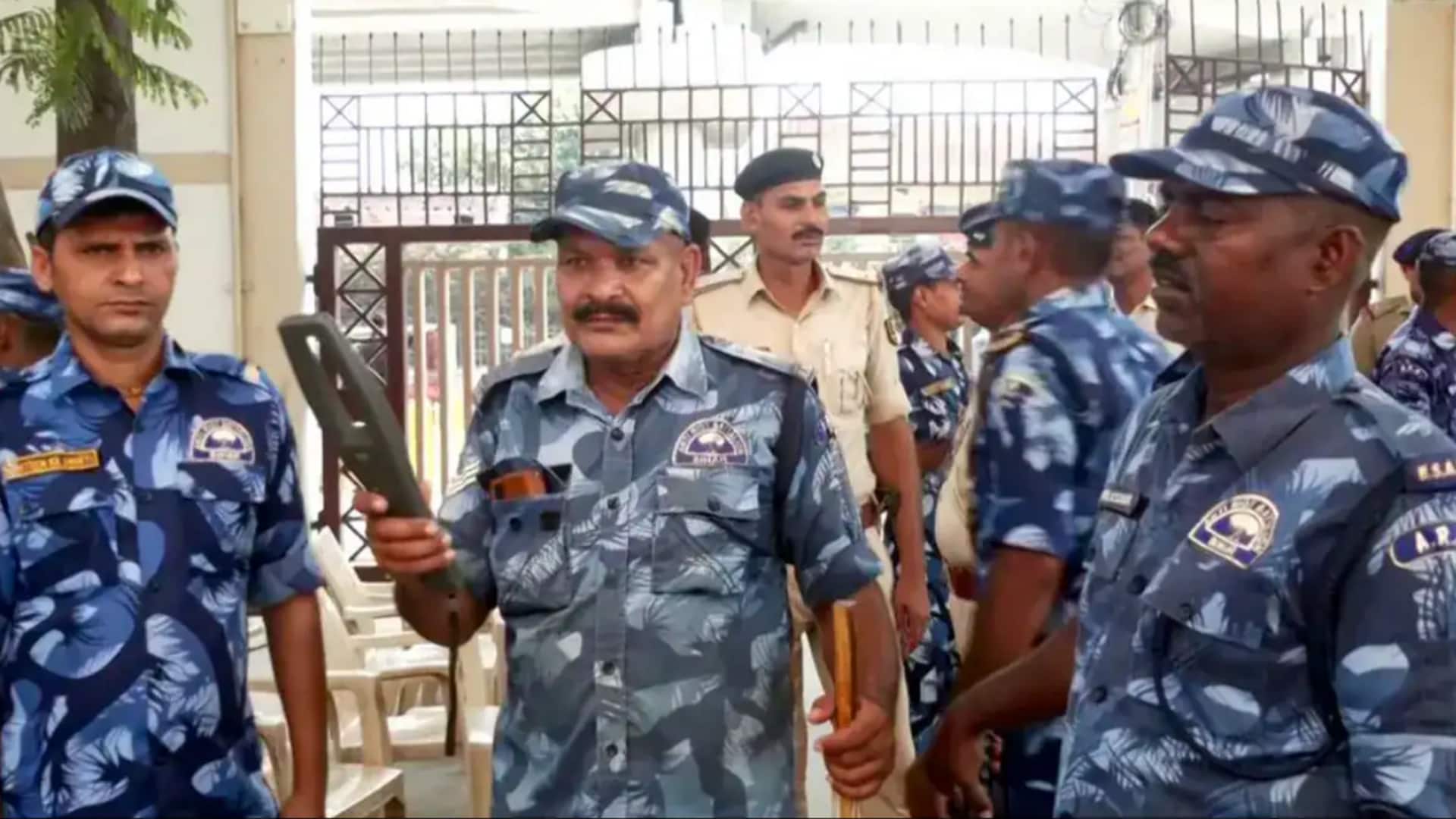
During the NEET UG 2026 re-examination, a controversy arose in Ajmer, Rajasthan, when a burqa-clad aspirant was initially denied entry. The National Testing Agency (NTA) clarified that the student was eventually allowed to appear for the exam, attributing the incident to a 'lack of clarity regarding rules'. Similar issues regarding religious attire and symbols were reported in other locations.
Key Highlights
- NEET re-exam saw a dispute over a burqa-clad student's entry in Ajmer.
- NTA confirmed the student was allowed to take the exam after rule clarification.
- Other incidents involving religious attire and symbols were reported nationwide.
- NTA guidelines permit religious attire with advance reporting for frisking.
- The re-exam aimed to ensure fairness after a previous paper leak scandal.
The National Eligibility cum Entrance Test (NEET) UG 2026 re-examination, conducted on June 21, 2026, faced a notable controversy in Ajmer, Rajasthan, where a burqa-clad student, Kulsum Bano, alleged she was initially denied entry to her examination centre. According to reports, Bano stated she had worn the same attire, a burqa and dupatta, during the original NEET examination on May 3, 2026, without facing any issues. However, on the day of the re-exam, centre officials reportedly insisted she remove her dupatta and then her burqa before allowing her inside. Bano asserted her right to wear her religious attire, stating, 'If the NTA has permitted us, these people cannot stop us... If I am to take the exam and they don't allow me in this attire, then I simply won't take it.' She further emphasized that the issue was about her identity rather than the examination itself. Her father corroborated her account, adding that they had requested a female staff member to conduct a check in a private area, but their request was refused. The incident gained significant traction on social media, prompting a response from the National Testing Agency (NTA) and local police. Ajmer CO North, Shivam Joshi, acknowledged that the dispute stemmed from a 'lack of clarity regarding certain rules' but stated that the matter was resolved after clarification from senior officials. The NTA officially clarified that the student was ultimately allowed to enter the examination centre and appear for the re-examination. This clarification was also communicated via the official NTA Twitter handle. The NTA's NEET-UG guidelines do permit candidates to wear articles of faith, with the condition that they must report to the centre well in advance to facilitate frisking. This guideline is intended to balance security protocols with the accommodation of religious practices. The re-examination itself was conducted under heightened security measures across the country, nearly seven weeks after the original May 3 examination was cancelled due to widespread paper leak allegations. The decision to cancel and re-conduct the exam was taken by the government to ensure fairness and transparency in the medical admission process. Approximately 22 lakh aspirants appeared for this crucial re-test, which was held across 5,440 centres in 551 cities in India and 14 centres abroad. Beyond the Ajmer incident, similar controversies related to dress code and religious attire were reported from other parts of the country. In Ahmedabad, Gujarat, some Muslim candidates were reportedly asked to remove their hijabs, and Hindu students' sacred threads (kalava) were cut during frisking. This led to protests by parents, though officials later stated the issue was resolved after clarifying NTA guidelines. In Gurugram, Haryana, there were also complaints about security personnel removing rudraksha beads and cutting religious threads. These incidents, while causing brief tension, were largely resolved through communication and clarification of NTA's standing instructions. The NTA had previously issued guidelines emphasizing that candidates wearing customary or religious attire should report early for detailed security screening. The NEET UG 2026 re-examination was conducted from 2:00 PM to 5:15 PM, with a revised duration of 3 hours and 15 minutes. The overall difficulty level of the paper was reported as moderate, similar to the original exam. The day also saw other notable events, including special arrangements made for an injured aspirant from Kolkata who had met with an accident a week prior, demonstrating the NTA's commitment to facilitating access for all eligible candidates. The controversies surrounding religious attire underscored the ongoing dialogue between strict examination regulations and the accommodation of diverse cultural and religious practices in India's high-stakes entrance examinations.
Frequently Asked Questions
What was the main controversy during the NEET UG 2026 re-examination?
The main controversy involved a burqa-clad aspirant in Ajmer, Rajasthan, who was initially denied entry to the examination centre. This incident sparked debate about religious attire and examination rules.
What is the NTA's policy on religious attire for NEET exams?
The NTA permits candidates to wear articles of faith, provided they report to the examination centre well in advance to allow for thorough frisking and security checks.
Was the student in Ajmer ultimately allowed to take the NEET re-exam?
Yes, the National Testing Agency (NTA) clarified that the student was allowed to enter the examination centre and appear for the re-examination after the issue was resolved through clarification of rules.