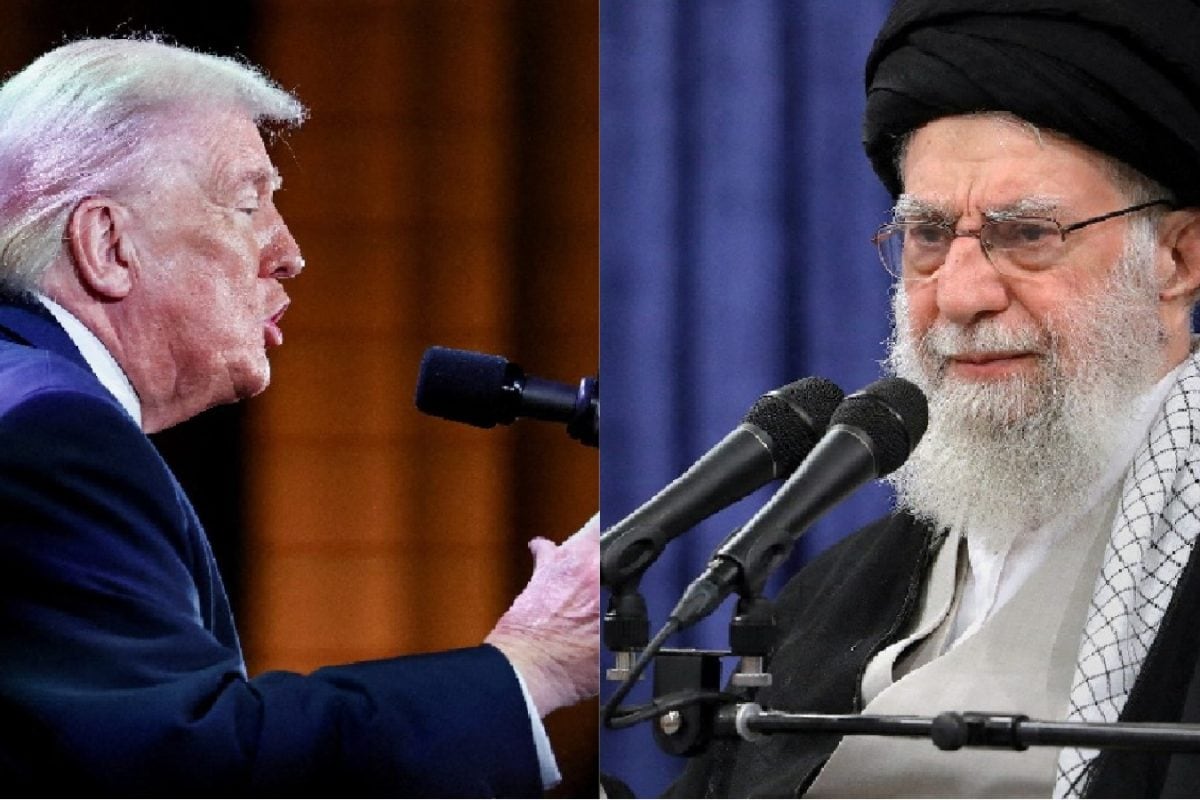
US, Israel Edge Towards Iran Conflict Amid Deepening Tensions
Tensions between the US and Iran have escalated, with Israeli officials warning of a likely military confrontation. Israel is reportedly preparing for potential joint military action with the United States, as diplomatic efforts falter and a significant US military buildup continues in the Middle East.
Key Highlights
- US and Iran nearing military conflict amid stalled nuclear talks.
- Israel actively preparing for potential joint operations with US against Iran.
- Massive US military buildup underway in the Middle East region.
- Diplomatic solutions appear increasingly unlikely, say officials.
- President Trump has issued deadlines for Iran to reach an agreement.
- Iran maintains defiant stance, conducting military drills.
Tensions between the United States and Iran have reached a critical juncture, with Israeli officials increasingly convinced that a military confrontation is highly probable. The Times of India article, published on February 22, 2026, accurately reflects the profound concerns and ongoing preparations for potential military action.
Multiple credible sources corroborate the core claims, indicating that both Washington and Tehran are at a perceived "unbridgeable impasse" in their diplomatic efforts concerning Iran's nuclear program and regional activities. Israeli officials, along with Iran's Gulf neighbors, view a conflict as more likely than a peaceful resolution. This assessment comes as the United States has amassed one of its largest military deployments in the Middle East since the 2003 invasion of Iraq.
The article highlights that while no final decision has been made, Israel's government is reportedly making preparations for possible joint military operations with the United States should diplomatic talks collapse. This is not an isolated report; officials cited by Reuters confirm Israel's preparations. These preparations are also detailed by sources like Anadolu, which reported on February 18, 2026, that Israel is preparing for a possible US 'green light' to strike Iran's ballistic missile system. The Israeli public broadcaster KAN also noted that the possibility of the Israeli army taking an active role in fighting Iran in the event of a US attack is not being ruled out.
The military buildup by the US is substantial and widely reported. Beginning in late January 2026, the United States increased its military presence, deploying the USS Abraham Lincoln carrier strike group to the northern Arabian Sea, followed by the USS Gerald Ford carrier strike group en route to the eastern Mediterranean. Hundreds of air and naval assets, including F-35, F-22, F-16, and F-18 fighter jets, mobile command aircraft, refueling tankers, and air defense systems, have been moved to the region. Satellite imagery reportedly shows a surge in American military assets at Muwaffaq Salti air base in central Jordan, now a key hub for possible strike planning, with over 60 attack aircraft visible.
President Donald Trump has publicly signaled that military action remains an option, stating he is considering limited strikes and suggesting Iran has a limited timeframe (10 to 15 days) to reach a "fair deal." These statements intensify the pressure on Tehran. Iran's Foreign Minister Abbas Araghchi, however, has maintained a defiant tone, asserting that Tehran is prepared for both diplomacy and conflict.
The current situation is exacerbated by previous military engagements. It would be the second time the US and Israel have attacked Iran in less than a year, following US and Israeli airstrikes against military and nuclear facilities in June 2025. These prior strikes indicate a history of kinetic action in the conflict. Experts assess that Israel is likely to join any US operation in Iran, and military and political coordination between the two countries has reached an unprecedented level of integration over the past month. A poll released on February 20, 2026, indicated that 59% of Israelis support joining a potential US strike on Iran.
Regional concerns are high, with Gulf countries preparing for a potential military confrontation that they fear could "spin out of control and destabilize the Middle East." The potential impact on global oil markets is also a significant concern.
Adding another layer of complexity are internal dynamics within Iran. The country has experienced widespread anti-regime protests, particularly in late 2025 and early 2026, triggered by economic hardship and currency collapse. The regime's violent crackdown on these protests, which reportedly resulted in thousands of deaths, has led to further frustration and disillusionment among the Iranian populace. Some Iranians are even expressing a desire for war as a potential catalyst for change.
In response to the heightened US military presence, Iran has conducted live-fire drills, temporarily closing the Strait of Hormuz – a critical oil and natural gas chokepoint. Iran's Revolutionary Guard is also conducting drills, and there are reports of construction at key military sites to fortify them against attack. Iran has also threatened to retaliate against all hostile bases, facilities, and assets in the region if attacked.
The ongoing diplomatic talks in Geneva and Muscat have not yielded significant breakthroughs, with both sides adhering to their 'red lines.' The US insists on an end to uranium enrichment on Iranian soil and limitations on its missile program, while Iran maintains its right to peaceful nuclear technology and refuses to discuss its ballistic missiles. US Secretary of State Marco Rubio is slated to meet Israeli Prime Minister Benjamin Netanyahu on February 28 to further discuss the Iran situation.
Overall, the situation remains highly volatile, with a significant military buildup, stalled diplomacy, and strong rhetoric from all sides pointing towards a heightened risk of conflict in the Middle East. The prospect of Israel joining a US military action against Iran is a widely discussed scenario within this context of escalating tensions.
Frequently Asked Questions
What is the current status of tensions between the US and Iran?
As of February 2026, tensions between the US and Iran are critically high, with diplomatic efforts largely stalled and significant military buildups by the US in the Middle East.
Is Israel preparing to join US military action against Iran?
Yes, Israeli officials are reportedly making preparations for potential joint military operations with the United States against Iran, although no final decision has been made.
What is the US military presence in the Middle East like currently?
The US has undertaken a massive military buildup, deploying two aircraft carrier strike groups (USS Abraham Lincoln and USS Gerald Ford) and hundreds of air and naval assets, including advanced fighter jets, to the region.
What are the key points of disagreement in US-Iran negotiations?
Key disagreements include Iran's uranium enrichment program and its ballistic missile development. The US demands an end to enrichment on Iranian soil and limits on missiles, which Iran refuses, insisting its nuclear program is peaceful and refusing to discuss its missiles.
How could a conflict in the Middle East affect India?
A military conflict in the Middle East, particularly involving Iran, could significantly impact India through disruptions in global oil supply and prices, potential instability affecting the large Indian diaspora in the Gulf region, and broader geopolitical ramifications.