Amit Shah Confirms March 31 Deadline for Naxalism Eradication
Union Home Minister Amit Shah has reiterated the March 31 deadline for the complete eradication of Naxalism, following a security review meeting in Raipur, Chhattisgarh. The strategy includes intensified operations, infrastructure development, and disrupting Maoist financial networks.
Key Highlights
- Amit Shah set a firm March 31 deadline to end Naxalism.
- Meeting held in Raipur focused on security review and strategy.
- Key strategies include operations, infrastructure, and financial disruption.
- Chhattisgarh's Bastar region remains a key focus area.
- Significant reduction in Naxal activities reported.
- Increased funding allocated for anti-Naxal operations.
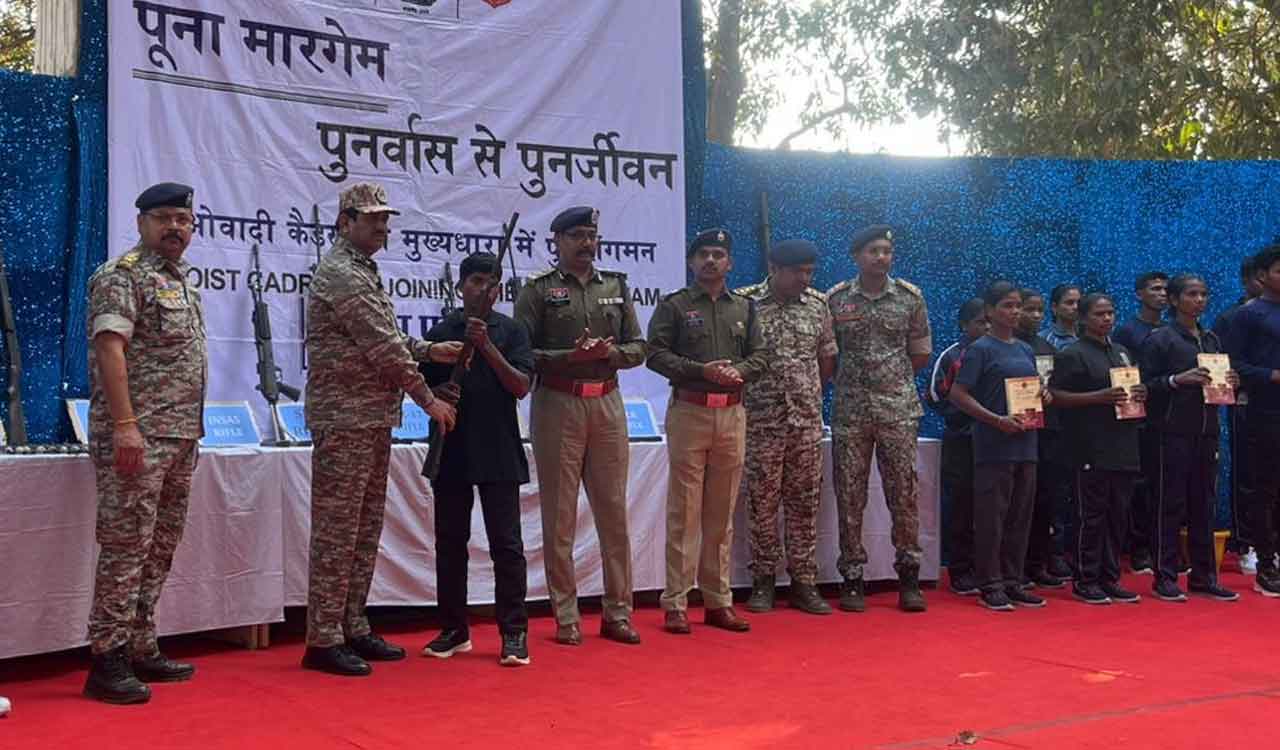
Union Home Minister Amit Shah has once again asserted that Naxalism will be completely eradicated by March 31, 2026. This statement came after a comprehensive high-level security review meeting held in Raipur, Chhattisgarh, focusing on Left-Wing Extremism (LWE). The meeting, attended by Chief Minister Vishnu Deo Sai, Deputy Chief Minister Vijay Sharma, Union Home Secretary, Director of the Intelligence Bureau, Special Secretary (Internal Security), and Directors General of various central armed police forces, aimed to assess the progress of anti-Naxal operations and strategize the final push. Shah highlighted that the current security-centric strategy, coupled with infrastructure development, targeting of Naxal financial networks, and a robust surrender policy, has yielded positive results, significantly weakening the insurgency. He expressed confidence that the remaining challenges would be overcome before the stipulated deadline. The Bastar region of Chhattisgarh, long considered a stronghold of Maoist activity, was a central point of discussion, with reports indicating a considerable weakening of the movement there due to intensified operations. Data suggests that since January 2024, over 500 Naxalites have been killed in Chhattisgarh, with approximately 1,900 arrested and over 2,500 surrendering. This trend of reduced Naxal activity is a key factor contributing to the government's optimism. The Union Budget for 2026-27 has also seen a significant increase in allocation for anti-Naxalism efforts, with over Rs 3,600 crore designated for security and infrastructure development in LWE-affected areas. This increased financial backing underscores the government's commitment to its zero-tolerance policy and its strategy to address the issue holistically through security enforcement, development interventions, and community engagement. The government's approach, as outlined in the National Policy and Action Plan approved in 2015, aims to tackle LWE by strengthening connectivity (road, mobile, financial), modernizing police forces, choking Naxal financing, and encouraging those involved to abjure violence. The historical context of the Naxalite–Maoist insurgency, which began in 1967, shows a significant decline in affected districts from a peak of 180 to 38 by April 2024, with only six districts now classified as 'most affected'. This decline is attributed to sustained counter-insurgency operations and development initiatives. The government's strategy also includes appealing to Maoists to surrender, emphasizing a non-violent resolution where possible, while simultaneously conducting intensified operations against those who continue to engage in violence. The emphasis on development in Naxal-affected areas is crucial, as the government views Naxalism as a major impediment to progress, preventing access to essential services like education, healthcare, and banking in remote tribal regions. The meeting in Raipur is seen as a final stock-taking exercise to align tactics and resources for the conclusive phase of this long-standing internal security challenge.
Frequently Asked Questions
What is the deadline set by Amit Shah for eradicating Naxalism?
Union Home Minister Amit Shah has set a deadline of March 31, 2026, for the complete eradication of Naxalism in India.
What strategies are being employed to combat Naxalism?
The strategies include intensified security-centric operations, infrastructure development in affected areas, disruption of Maoist financial networks, and a surrender policy for insurgents.
Which region is considered a stronghold of Maoist activity?
The Bastar region in Chhattisgarh has historically been considered a stronghold of Maoist activity, though reports indicate a significant weakening of their presence there due to intensified operations.
What is the current status of Naxalite activities in India?
While Naxalism remains an internal security challenge, its influence has significantly declined over the years. Reports indicate a substantial reduction in Naxal activities, with a considerable number of insurgents being neutralized, arrested, or surrendering.