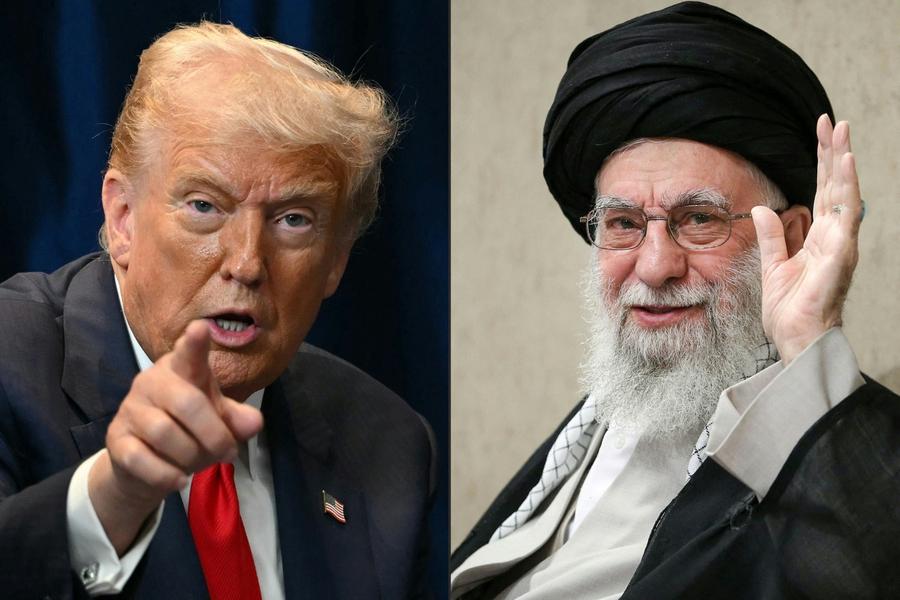
Iran Ready for War, Warns Diplomat Amid US Tensions and Nuclear Talks
Amid escalating Iran-US tensions, a former Iranian diplomat stated Iran must be fully prepared for war to deter conflict. This comes as indirect nuclear talks between Iran and the US are scheduled to resume in Geneva. Student protests have also erupted across Iran, adding to the internal pressure on the regime. The US has warned of severe consequences if a deal isn't reached, while Iran vows fierce retaliation to any attack.
Key Highlights
- Iran's readiness for war highlighted by a former diplomat.
- Indirect nuclear negotiations between Iran and the US set to resume.
- Student protests against the Iranian regime are ongoing.
- US President Trump has issued ultimatums regarding Iran's nuclear program.
- Iran vows 'ferocious' retaliation to any US aggression.
The geopolitical landscape between Iran and the United States remains highly volatile, with a former Iranian diplomat, Ramin Mehmanparast, emphasizing the necessity for Iran to be "fully ready for war to deter conflict". This stark declaration comes as Tehran prepares for a third round of indirect nuclear negotiations with the US in Geneva, scheduled for February 26th. Mehmanparast articulated that Iran desires a fair and respectful agreement, placing the onus on Washington for progress and dismissing the efficacy of military threats in compelling concessions.
Adding to the internal pressure, Iranian students have continued their protests for a third day across various universities in Tehran, chanting anti-government slogans and engaging in scuffles with security forces. These demonstrations echo the larger nationwide unrest that peaked in January, which was met with a severe crackdown. Reports from state media indicate acts such as burning flags at al-Zahra University, and slogans like "we'll reclaim Iran" have been observed.
US President Donald Trump has intensified his rhetoric, expressing curiosity as to why Iran has not "capitulated" under the mounting pressure. He has repeatedly threatened Iran with "really bad things" if talks fail and has been weighing the possibility of limited strikes. The US has also significantly increased its military presence in the Middle East, deploying aircraft carrier groups and numerous fighter jets, signaling a readiness for kinetic action, though diplomacy remains officially stated as the "first option".
Iran, in response to these threats, has vowed to retaliate "ferociously" against any US aggression. The Iranian Ministry of Foreign Affairs has stated that any US strike, even a limited one, would be regarded as an "act of aggression". This assertive stance is underpinned by Iran's strategic logic, where diplomatic engagement is seen as most effective when backed by a credible willingness for military confrontation.
The core of the US-Iran dispute revolves around Iran's nuclear program, with Washington demanding Iran abandon its enrichment activities, limit its missile range, and cease supporting regional proxies. Iran, conversely, insists its nuclear program is for civilian purposes and has sought to confine negotiations to sanctions relief and its nuclear activities. However, the US also desires discussions on Iran's missile program and its support for militant groups.
Amidst these tensions, several countries have advised their citizens to leave Iran due to the deteriorating security situation, including India, Serbia, Sweden, Australia, and Poland. The regional powers, such as Turkey, Oman, Qatar, Saudi Arabia, and Egypt, have been actively involved in diplomatic efforts, urging negotiations and warning against escalation, driven by their own vulnerability to potential conflict.
Despite the heated rhetoric and military posturing, both sides appear to be leveraging the threat of war as a negotiating tool, with neither side overtly desiring an all-out conflict. The US seeks concessions through pressure, while Iran aims to demonstrate its resilience and the high cost of aggression. The upcoming Geneva talks are seen as a critical juncture, with the possibility of an interim deal being discussed, though Iran has expressed reservations about such arrangements, preferring a swift, results-oriented agreement focused on sanctions relief. The situation remains fluid, with the potential for both diplomatic breakthroughs and further escalation.
Frequently Asked Questions
What did the former Iranian diplomat state about Iran's readiness?
A former Iranian diplomat, Ramin Mehmanparast, stated that Iran must be fully prepared for war to deter conflict.
What is the current status of US-Iran nuclear negotiations?
Indirect nuclear negotiations between Iran and the United States are scheduled to resume in Geneva for a third round on February 26th.
Are there ongoing protests in Iran?
Yes, Iranian students have been protesting for a third day across various universities in Tehran, expressing anti-government sentiments.
What is the US stance on potential military action against Iran?
While diplomacy is stated as the first option, the US has warned of severe consequences if a deal isn't reached and has significantly increased its military presence in the Middle East, indicating that military action remains a possibility.
How has Iran responded to US threats?
Iran has vowed to retaliate 'ferociously' against any US aggression, stating that any attack would be considered an act of aggression.