Glioblastoma: Understanding the Deadliest Brain Cancer | Quick Digest
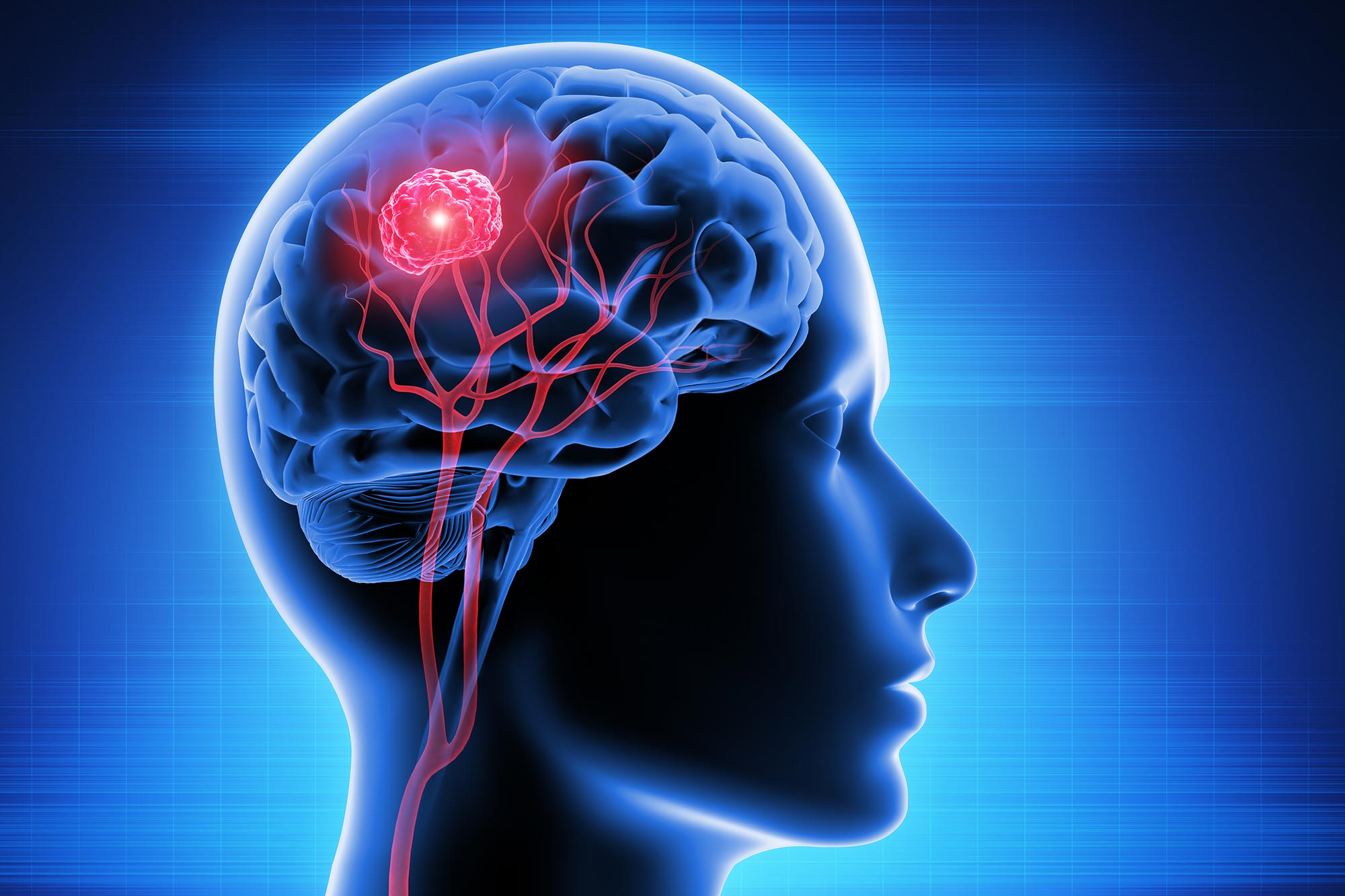
Glioblastoma (GBM) is the most aggressive and common malignant brain tumor in adults, characterized by rapid growth and a challenging prognosis. This article explores its unknown causes, varied neurological symptoms, and the multimodal treatment approaches aimed at managing this devastating disease. Current therapies include surgery, radiation, and chemotherapy, with ongoing research in India and globally offering new hope.
Glioblastoma is the most aggressive and common malignant adult brain tumor.
Its exact causes are largely unknown, but involve DNA mutations and certain risk factors.
Symptoms vary based on tumor location, including headaches, seizures, and cognitive changes.
Treatment primarily involves surgery, radiation, and chemotherapy, often combined.
Prognosis remains poor, driving continuous global and Indian research for new therapies.
Newer approaches like immunotherapy and targeted therapies are being explored.
Glioblastoma (GBM), previously known as glioblastoma multiforme, stands as the most aggressive and common malignant primary brain tumor in adults, frequently leading to a poor prognosis. This devastating disease originates from astrocytes, supportive cells in the brain or spinal cord, and is characterized by its rapid growth and invasive nature, making complete eradication challenging.
The precise causes of glioblastoma remain largely unknown, though research indicates it stems from DNA mutations within brain or spinal cord cells that lead to uncontrolled cell growth. Identified risk factors are limited, including increasing age, previous exposure to ionizing radiation (such as from cancer therapy), and rare inherited genetic syndromes like neurofibromatosis and Li-FFraumeni syndrome.
Symptoms of glioblastoma are diverse and highly dependent on the tumor's location and size. Common manifestations include persistent and worsening headaches, nausea, vomiting, blurred or double vision, speech difficulties, confusion, memory loss, personality changes, and seizures. Patients may also experience trouble with balance or coordination, muscle weakness, or altered sensation.
Treatment for glioblastoma typically involves a multimodal approach. The initial step is usually maximal safe surgical resection to remove as much of the tumor as possible. This is often followed by a combination of radiation therapy and chemotherapy, with temozolomide being a frequently used chemotherapy drug. However, glioblastomas are notoriously resistant to conventional therapies, and recurrence is almost inevitable.
Given the challenges, ongoing research is critical. This includes studies into targeted therapies that attack specific cancer cell genes, immunotherapy approaches to harness the body's immune system against the tumor, and other novel drug delivery methods. Notable contributions are coming from institutions in India, such as IISc and IIT Delhi, investigating new genetic mutations and nanoformulations to improve treatment efficacy. Palliative care also plays a vital role in managing symptoms and improving the quality of life for patients. Despite aggressive treatments, the median survival for glioblastoma patients remains tragically low, underscoring the urgent need for continued scientific breakthroughs.
Read the full story on Quick Digest