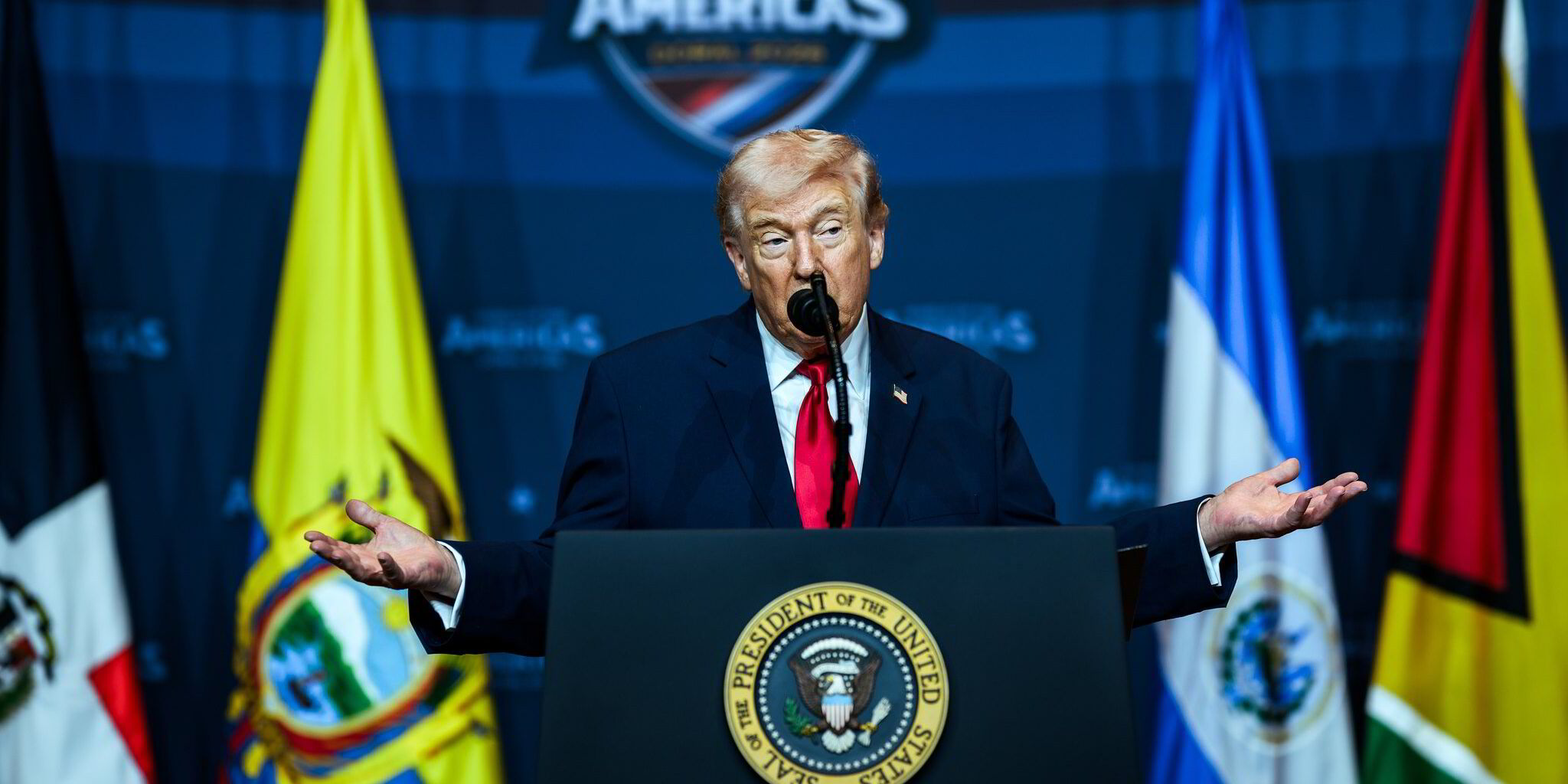
Iran warns of renewed conflict with US over broken agreements
A senior Iranian military official has stated that a renewed conflict with the United States is 'likely,' citing a lack of US commitment to agreements and a rejection of Iran's latest peace proposal. This warning comes amid a fragile ceasefire that has halted active combat but has not resolved underlying tensions.
Key Highlights
- Iran claims US is not committed to agreements.
- US President Trump rejected Iran's peace proposal.
- A fragile ceasefire is in place, but tensions remain high.
- Strait of Hormuz remains a point of contention.
- Iran is prepared for renewed conflict.
- Diplomatic efforts are ongoing but stalled.
A senior Iranian military official has issued a stark warning that a renewed conflict with the United States is 'likely,' asserting that available evidence suggests the US is not committed to any agreements or treaties. Mohammad Jafar Asadi, deputy at Iran's Khatam al-Anbiya Central Headquarters, made these remarks in a statement carried by Iran's Fars news agency on May 2, 2026. Asadi indicated that recent actions and statements from US officials reflect a lack of commitment to diplomatic understandings. This declaration follows President Donald Trump's rejection of Iran's latest peace proposal, with Trump stating that Iran was seeking concessions he could not accept. The President reportedly said, 'They want to make a deal, but... I'm not satisfied with it,' and added that Iran's leadership was 'very disjointed.'
The broader context involves a fragile ceasefire that began on April 8, 2026, after nearly 40 days of conflict that erupted in late February 2026. While the ceasefire has halted direct exchanges of fire, underlying tensions remain unresolved, particularly over control of strategic energy routes like the Strait of Hormuz and concerns surrounding Iran's nuclear program. Iran has previously taken defensive measures, including closing the Strait of Hormuz, a critical chokepoint for global oil supply.
Despite the US administration, under President Trump, declaring that active hostilities have 'terminated' and the 60-day deadline under the War Powers Resolution has passed or paused due to the ceasefire, Iran's military leadership remains prepared for potential escalation. Asadi stated that Iran's armed forces are 'fully prepared for any new adventures or foolishness from the Americans.'
Diplomatic efforts have been ongoing, with mediators such as Pakistan playing a role. However, negotiations have reportedly stalled. Iran's judiciary chief, Gholamhossein Mohseni Ejei, stated on Friday that Tehran remained open to negotiations but would not accept 'imposition' of terms under threat. Iranian officials believe they showed flexibility during initial negotiations and ceasefire discussions, but argue that the US has not reciprocated, instead responding to Iran's softened positions with increased pressure and more aggressive demands. They suggest that US demands are not aimed at genuine negotiation but rather at demanding surrender, which they deem 'unacceptable.'
The article references a historical context of strained US-Iran relations, dating back to 1979, marked by US policy of punishment, containment, and isolation through sanctions. The nuclear program has been a central point of contention, with the US withdrawing from the Joint Comprehensive Plan of Action (JCPOA) in 2018 and reimposing sanctions. The conflict itself began on February 28, 2026, following failed nuclear negotiations.
The news is specific to the US and Iran but has global implications due to the importance of the Strait of Hormuz for oil supply and the broader geopolitical stability of the Middle East. The headline accurately reflects the core claims made in the article, avoiding overt sensationalism, although the topic of war resumption is inherently high-impact.
The publication date of the India Today article is May 2, 2026, as indicated by multiple search results referencing this date for the claims made.
The article falls under the categories of Politics and International Relations, with a focus on the US and Iran.
Frequently Asked Questions
What is the main claim made by Iran regarding the US?
A senior Iranian military official has claimed that the United States is not committed to any agreements or treaties, which makes a renewed conflict 'likely'.
What led to the current situation between Iran and the US?
The current situation follows a fragile ceasefire established on April 8, 2026, after nearly 40 days of conflict that erupted in late February 2026 due to failed nuclear negotiations. Tensions remain high over issues like the Strait of Hormuz and Iran's nuclear program.
Has President Trump responded to Iran's latest proposal?
Yes, President Donald Trump has rejected Iran's latest peace proposal, stating that Iran was seeking concessions he could not accept.
What is the significance of the Strait of Hormuz in this conflict?
The Strait of Hormuz is a critical chokepoint for global oil supply. Its control and potential blockade by Iran have been a significant point of tension and have disrupted international oil flows.
Is there an active war ongoing between Iran and the US?
A ceasefire has been in place since April 8, 2026, halting direct exchanges of fire. However, underlying tensions and the threat of renewed conflict remain, with both sides accusing each other of not adhering to agreements.