Pakistan's Iran-US Peace Role: Economic Gains Amidst Structural Woes?
Pakistan has garnered significant diplomatic acclaim for brokering a recent ceasefire and peace talks between the US and Iran, raising its international profile. While this role offers potential economic benefits, analysts are skeptical that such gains can resolve the nation's deep-seated structural economic challenges and dependence on IMF bailouts.
Key Highlights
- Pakistan brokered recent US-Iran ceasefire and peace talks.
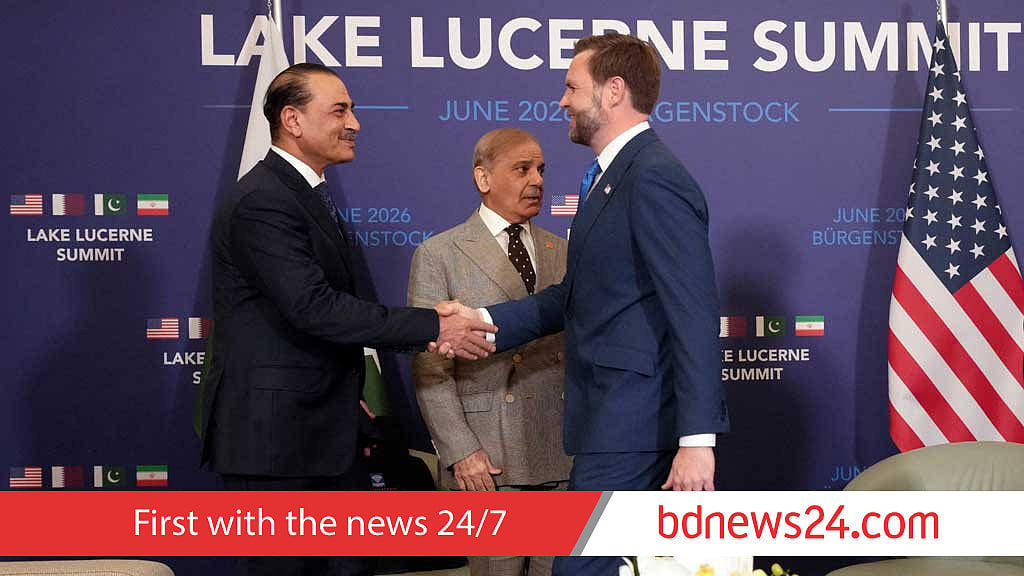
- High-level US-Iran talks held in Switzerland, facilitated by Pakistan.
- Diplomatic success raises Pakistan's global standing.
- Analysts question if economic dividends will fix structural issues.
- Pakistan remains dependent on IMF support despite diplomatic wins.
Pakistan has recently played a pivotal and widely lauded role in de-escalating tensions and facilitating a ceasefire between the United States and Iran, a development that has significantly elevated its international standing. This diplomatic initiative culminated in high-level talks between Iran and the US in the Swiss town of Buergenstock over the past weekend, attended by Pakistan's Prime Minister Shehbaz Sharif and Army Chief Field Marshal Asim Munir. These talks were the result of months of intricate diplomatic efforts by Pakistan.
The "Iran war" referenced in the article title pertains to a recent period of heightened conflict, which began in February 2026 with US-Israeli strikes on Iran. This was followed by Iranian retaliation and the closure of the strategically vital Strait of Hormuz, threatening global oil supplies and the world economy. Pakistan's mediation led to a fragile ceasefire taking effect on April 8, 2026, easing the immediate crisis.
The diplomatic breakthrough has earned Pakistan widespread international recognition, with both the US and Iran, alongside various world leaders, expressing gratitude for Islamabad's efforts to prevent a prolonged conflict. This has raised Pakistan's profile, leading to discussions about whether this newfound diplomatic goodwill can be converted into tangible economic benefits for the crisis-hit nation.
However, a central theme across expert analysis is skepticism regarding the extent to which these diplomatic gains can address Pakistan's chronic economic vulnerabilities. While some analysts anticipate potential largesse from the US and opportunities for expanded trade with Iran (especially if sanctions are eased), many caution that such benefits are unlikely to resolve deeper structural issues. These include social and economic inequity, a narrow tax base, and a persistent reliance on International Monetary Fund (IMF) bailouts.
Former finance minister Miftah Ismail noted that while the diplomatic role has enhanced Pakistan's international prestige, it hasn't alleviated high costs, weak exports, and external repayment obligations that keep the country dependent on the IMF. He stated that Pakistan's internal economic disorder requires self-help before significant foreign assistance can make a lasting impact. Similarly, Asim Ijaz Khawaja, a Harvard University professor, advised Pakistan to resist short-term financial concessions that do not enhance productivity.
Economists like Atif Mian from Princeton University suggest that Pakistan should pursue long-term economic partnerships, focusing on technology transfer, expanding textile and IT exports, green energy investments, and regional trade integration, rather than merely seeking deposits or further IMF-style relief. Adeel Malik, an associate professor at Oxford University, warned that without structural reforms, Pakistan faces potential 'implosion' in coming decades due to deep-seated grievances among the young and shrinking middle classes against the ruling elite.
Indeed, Pakistan has a long history of dependence on IMF support. The country has been under various IMF programs, including a US$6 billion Extended Fund Facility (EFF) approved in July 2019, which was later supplemented by a US$1.386 billion disbursement in April 2020 to address the economic impact of the COVID-19 pandemic. More recently, in December 2025 and May 2026, the IMF approved further disbursements, totaling billions, as part of ongoing reform programs. These programs aim to stabilize the economy through fiscal discipline and structural reforms, yet highlight the continuing challenges Pakistan faces in achieving self-sufficiency.
The context for an Indian audience is particularly interesting. An Asia Times report highlighted a contrast between Pakistan's agile and opportunistic diplomacy in this crisis and India's seemingly more constrained and cautious approach. This suggests that while Pakistan leveraged its unique position and speed to become a central mediator, India's diplomatic strategy tilted towards the US-Israeli camp, potentially gaining less diplomatic leverage in this specific conflict. This regional comparison underscores the broader geopolitical implications of Pakistan's diplomatic success.
In summary, while Pakistan's recent peacekeeping efforts have brought significant diplomatic recognition and opened doors for potential economic engagement, particularly with Iran and through renewed international goodwill, the consensus among experts is that these external successes alone are insufficient to address the nation's fundamental structural economic weaknesses. Sustained domestic reforms are considered crucial for long-term economic stability and growth.
Frequently Asked Questions
What role did Pakistan play in the recent US-Iran peace talks?
Pakistan served as a key mediator, facilitating a ceasefire and high-level diplomatic talks between the United States and Iran. Prime Minister Shehbaz Sharif and Army Chief Field Marshal Asim Munir were actively involved in these months-long efforts, which culminated in discussions in Switzerland in June 2026.
What was the 'Iran war' referred to in the article?
The 'Iran war' refers to a period of heightened hostilities and conflict that escalated in February 2026, following US-Israeli strikes on Iran and subsequent Iranian retaliation, including the closure of the Strait of Hormuz. Pakistan's mediation helped secure a ceasefire on April 8, 2026.
Can Pakistan expect significant economic benefits from its diplomatic role?
While Pakistan has gained considerable diplomatic acclaim and its international profile has been boosted, analysts are largely skeptical that these diplomatic successes alone will translate into substantial economic dividends sufficient to fix the country's deep-rooted structural economic challenges, such as a narrow tax base and reliance on IMF bailouts. Potential gains like increased trade with Iran could emerge if sanctions ease.
What are Pakistan's ongoing economic challenges despite this diplomatic success?
Pakistan continues to face significant structural economic challenges, including social and economic inequity, weak exports, high costs, a narrow tax base, and persistent dependence on International Monetary Fund (IMF) programs for financial stability. Experts emphasize the need for fundamental domestic reforms beyond diplomatic wins.
How does Pakistan's diplomatic role compare to India's in this conflict?
Reports suggest that Pakistan's diplomacy in this conflict was agile and opportunistic, allowing it to emerge as a central mediator due to its unique ties and quick response. In contrast, India's diplomacy was seen as more constrained and cautious, potentially limiting its leverage in the situation.