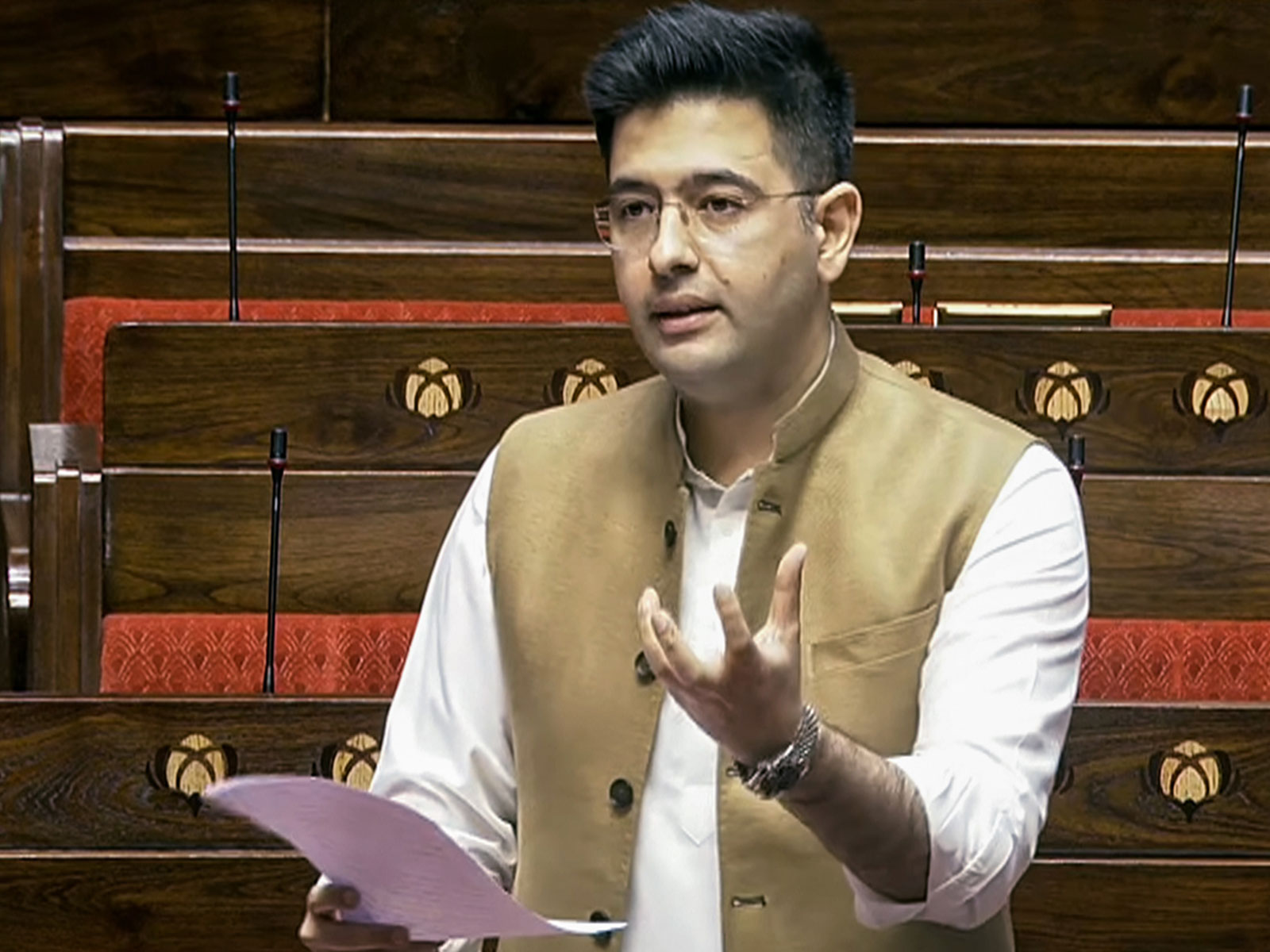
India advocates peace and diplomacy in Iran-Israel-US war: EAM
External Affairs Minister S. Jaishankar stated in Parliament that India prioritizes peace, dialogue, and diplomacy in the escalating Iran-Israel-US conflict. India is focused on safeguarding its citizens in the region, ensuring energy security, and maintaining trade flows amidst the escalating tensions.
Key Highlights
- India advocates for peace, dialogue, and diplomacy.
- Prioritizing safety of Indian citizens in West Asia.
- Ensuring national interests like energy security and trade.
- EAM Jaishankar made a suo motu statement in Parliament.
- Lok Sabha proceedings were disrupted over the issue.
- India seeks de-escalation and respect for sovereignty.
External Affairs Minister S. Jaishankar addressed Parliament on March 9, 2026, regarding the escalating conflict between Iran, Israel, and the United States, emphasizing India's commitment to peace, dialogue, and diplomacy. He stated that India's primary concerns include the safety and well-being of the approximately one crore Indian citizens residing and working in the Gulf countries, as well as the nation's energy security and trade interests.
Jaishankar informed the Parliament that the conflict, which intensified on February 28, 2026, has involved fighting between Iran on one side, and Israel and the United States on the other, with spillover effects on several Gulf states. The minister highlighted that the conflict has resulted in significant casualties, including at the leadership level in Iran, and has caused considerable damage to regional infrastructure.
India's initial reaction to the strikes was expressed on February 28, 2026, through a statement by the Ministry of External Affairs, which conveyed deep concern and urged all parties to exercise restraint, avoid escalation, and prioritize civilian safety. The statement also underscored the importance of pursuing dialogue and diplomacy to de-escalate tensions and address underlying issues, while emphasizing respect for the sovereignty and territorial integrity of all nations in the region.
The situation led to disruptions in the Indian Parliament, with opposition parties demanding a full-fledged discussion on the West Asia crisis and its impact on India. Despite these demands, the government, through Jaishankar's suo motu statement, outlined India's position.
During his statement, Jaishankar also mentioned that the Indian government had attempted to contact Iranian leadership following the U.S.-Israel combine's attack on Tehran on February 28, which reportedly killed Iran's Supreme Leader Ayatollah Ali Khamenei, but faced difficulties due to the ongoing conflict. He also noted that Iran had sought permission for three ships to dock at Indian ports, which was granted the following day.
Prime Minister Narendra Modi has been closely monitoring the situation, and the Cabinet Committee on Security met on March 1, 2026, to review the developments and discuss measures for the safety of Indian citizens and the implications for regional stability and economic activities. India has also taken steps to facilitate the return of its citizens, with approximately 67,000 Indians having returned from West Asia since the conflict began.
Analysts and opposition parties have raised concerns about India's stance, with some suggesting that India's alignment with the US and Israel might impact its strategic interests in the region. However, the Indian government maintains that its approach is guided by its national interests, prioritizing the safety of its citizens and ensuring energy security and trade flows.
The conflict's impact on India's energy security is a significant concern, as the country imports a substantial portion of its crude oil from West Asia. Disruptions to supply chains have already been noted, affecting economic activities.
India's foreign policy in the West Asia region has historically been characterized by a balancing act between conflicting nations. The current crisis presents a challenge to this delicate balance, with India advocating for de-escalation and a return to dialogue and diplomacy as the primary means to resolve the conflict and ensure regional stability.
Frequently Asked Questions
What is India's official stance on the Iran-Israel-US conflict?
India advocates for peace, dialogue, and diplomacy to de-escalate tensions. External Affairs Minister S. Jaishankar has stated that India prioritizes the safety of its citizens in the region, its energy security, and trade flows.
Did EAM Jaishankar make a statement in Parliament about the West Asia conflict?
Yes, External Affairs Minister S. Jaishankar made a suo motu statement in both the Lok Sabha and Rajya Sabha on March 9, 2026, to apprise the Parliament about the developments in West Asia.
What are India's main concerns regarding the conflict?
India's primary concerns include the safety and well-being of the approximately one crore Indian citizens living and working in West Asian countries, as well as ensuring the nation's energy security and maintaining trade.
How has the conflict affected India domestically?
The conflict has raised concerns about India's energy security due to its reliance on oil imports from West Asia. Disruptions to supply chains have also been noted, potentially impacting economic activities.