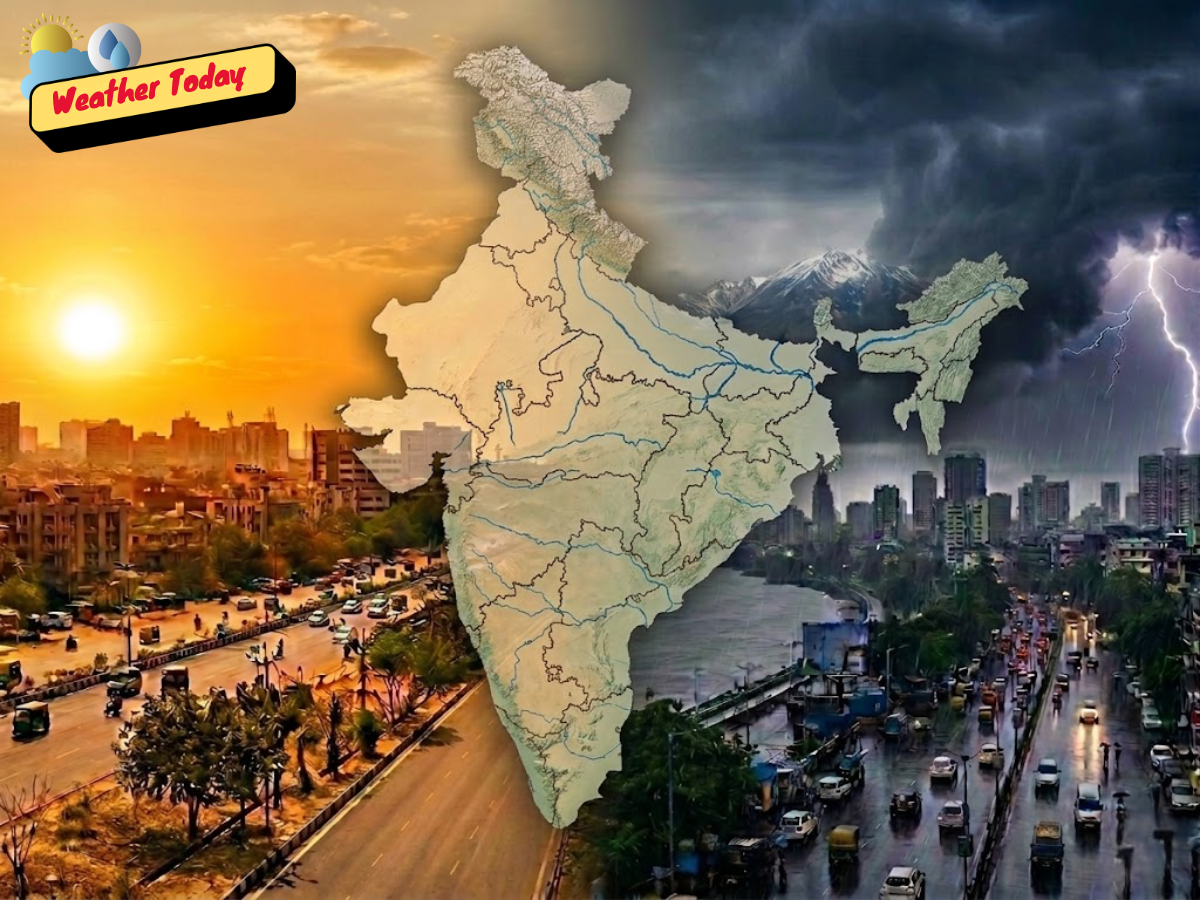
India Endures Severe Heatwave as Monsoon Nears, Relief Expected Soon
Central and Northwest India are grappling with intense heatwave conditions, with temperatures soaring above 45°C. The India Meteorological Department forecasts a gradual abatement of the heatwave from May 29, coinciding with the anticipated arrival of the southwest monsoon in Kerala, which is slightly delayed but progressing. The extreme weather has prompted public health advisories and political criticism.
Key Highlights
- Severe heatwave conditions persist across central and northwest India.
- Temperatures soared, with Banda, UP, recording 47.4°C on May 26.
- IMD predicts heatwave relief from May 29 across most regions.
- Southwest monsoon is advancing, expected to hit Kerala by June 1.
- PM Modi's heatwave advisory drew criticism over government policies.
- El Niño concerns suggest a potentially drier than normal monsoon season.
Large swathes of central and northwestern India are currently experiencing a punishing and extended heatwave, with temperatures consistently soaring above 45 degrees Celsius. This intense spell, which has gripped regions like Uttar Pradesh, Rajasthan, Madhya Pradesh, Haryana, and Vidarbha (Maharashtra), is a major public health concern, prompting advisories from the India Meteorological Department (IMD) and a call for precautions from Prime Minister Narendra Modi.
According to reports and IMD bulletins, the heatwave conditions are particularly severe. Banda in Uttar Pradesh recorded the season's highest temperature, touching 47.4°C on Tuesday, May 26, 2026, while other districts in the state have seen temperatures between 44°C and 48°C. Delhi-NCR has also been under a severe heatwave warning, with maximum temperatures anticipated to reach around 45°C on Wednesday, May 27, 2026. The IMD has issued various alerts, including red, orange, and yellow warnings, for numerous states, indicating a high likelihood of heat-related illnesses and calling for extreme caution, especially among vulnerable populations.
The IMD forecasts offer a glimmer of hope, predicting a gradual reduction in maximum temperatures and an abatement of heatwave conditions from May 29 onwards across most affected regions. This relief is anticipated due to a fresh western disturbance expected to affect northwest India from May 28, potentially bringing thunderstorms, squally winds, hail, and dust storms. However, parts of Rajasthan might continue to experience extreme temperatures even as other areas cool down.
Simultaneously, the southwest monsoon, crucial for India's agrarian economy, is making its advance. As of May 27, 2026, the monsoon has further advanced into parts of the Arabian Sea, Lakshadweep area, and the Bay of Bengal, and conditions remain favorable for its continued progression over the next two to three days. The IMD had initially forecast the monsoon's onset over Kerala around May 26, with a four-day margin of error. While it had not made full landfall over Kerala by May 27, it was well within this predicted window and expected to reach the state between May 27 and June 1. The onset of the monsoon over Kerala marks the formal beginning of the rainy season across the Indian mainland, vital for the kharif crop and over 70% of the country's annual rainfall.
However, the prospect of a developing El Niño in the equatorial Pacific Ocean casts a shadow over the upcoming monsoon season. Forecasters place a high probability (around 98%) of El Niño conditions through the May-July period, which typically suppresses monsoon rainfall over India. The IMD has already projected below-normal monsoon rainfall for 2026, a significant concern for millions of Indian farmers who rely heavily on seasonal rains.
The ongoing heatwave has also triggered a political discourse. Prime Minister Narendra Modi, on Wednesday, May 27, 2026, urged citizens to stay hydrated and protect vulnerable groups, appealing for kindness and caution. This advisory, however, drew considerable criticism on social media platforms and from opposition leaders. Critics argued that the worsening heat crisis demands stronger government intervention beyond public advisories, highlighting allegations of massive forest clearing in areas like Hasdeo, Andaman & Nicobar, and the Aravali forests. Concerns were also raised about issues like inflation, water scarcity, and a perceived disconnect between the government's rhetoric and the ground realities faced by ordinary citizens. The Union Cabinet also reportedly discussed the prevailing heatwave situation, emphasizing a "whole-of-the-nation" approach to provide relief.
The overall situation underscores the critical need for effective heat action plans, robust water management strategies, and sustainable environmental policies to mitigate the impacts of such extreme weather events on India's vast population and economy. The combination of an intense heatwave nearing its end and the crucial, yet potentially weakened, monsoon onset makes this a period of heightened vigilance and concern for public health, agriculture, and environmental stability across India.
Frequently Asked Questions
Which regions in India are most affected by the current heatwave?
Central and Northwest India, including states like Uttar Pradesh, Rajasthan, Madhya Pradesh, Haryana, and Vidarbha (Maharashtra), are currently experiencing severe heatwave conditions. Delhi-NCR is also significantly impacted.
When is relief expected from the intense heatwave?
The India Meteorological Department (IMD) predicts that heatwave conditions are likely to gradually abate from May 29, 2026, onwards across most affected regions, although some parts of Rajasthan may continue to face extreme temperatures.
What is the status of the southwest monsoon?
As of May 27, 2026, the southwest monsoon has advanced into parts of the Arabian Sea and Bay of Bengal. While it had not yet made landfall over Kerala, conditions are favorable for its further advance, with onset over Kerala expected between May 27 and June 1, 2026.
Is the El Niño phenomenon expected to impact India's monsoon this year?
Yes, there is a high probability of El Niño conditions developing, which typically tends to suppress monsoon rainfall over India. The IMD has already projected a below-normal monsoon for 2026, raising concerns for the agricultural sector.
What was the public reaction to PM Modi's heatwave advisory?
PM Modi's advisory urging citizens to take precautions and stay hydrated drew criticism from social media users and political figures. Critics argued for stronger government intervention, questioned environmental policies related to forest clearing, and highlighted issues like inflation and water scarcity.