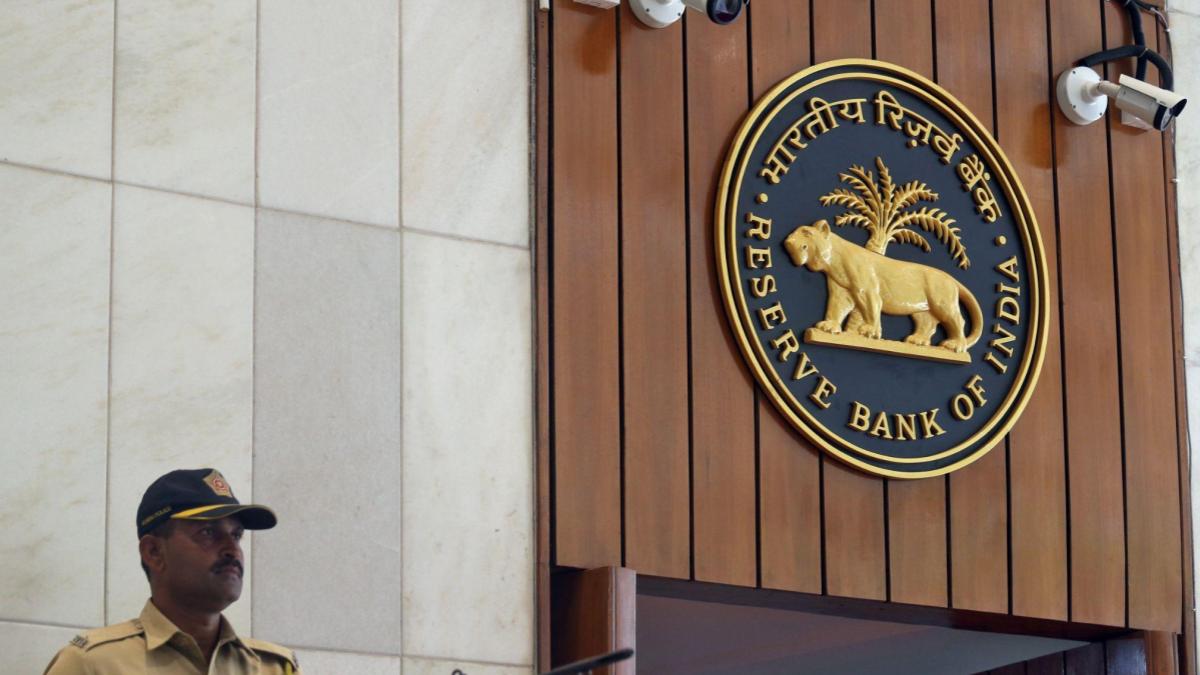
Bloomberg Retracts $12 Billion RBI Gold Sale Report Amid Valuation Error
Bloomberg retracted a report alleging the Reserve Bank of India sold $12 billion in gold reserves, citing incorrect valuation methodology. The RBI had firmly denied any gold sale, confirming its physical holdings remained unchanged at 880.52 tonnes, alleviating concerns about India's foreign exchange stability. The initial report caused significant market speculation and public discussion.
Key Highlights
- Bloomberg falsely reported RBI sold $12 billion gold reserves.
- RBI swiftly denied claims, affirming stable 880.52 tonnes gold stock.
- Bloomberg retracted story, blaming incorrect domestic gold pricing.
- Report's error stemmed from using wrong valuation benchmark.
- Initial claim fueled concerns over India's economic stability.
- PIB and other media outlets fact-checked and debunked report.
A significant financial news story unfolded in early June 2026 when Bloomberg Economics, a division of the prominent global financial news agency Bloomberg, published an analysis suggesting that the Reserve Bank of India (RBI) might have sold approximately $12 billion worth of its gold reserves in the two weeks leading up to May 22, 2026. The report, authored by senior India economist Abhishek Gupta, indicated that this alleged sale was undertaken to bolster India's foreign-currency assets amidst mounting pressure on the Indian rupee, rising crude oil prices, and geopolitical tensions in West Asia, particularly linked to the US-Iran conflict. The claims quickly garnered widespread attention and concern across financial markets and media outlets in India.
However, the Reserve Bank of India swiftly and emphatically rejected these reports. On June 3, 2026, the RBI issued an official statement emphasizing that the reports about gold sales were 'not correct' and clarified that its physical stock of gold remained unchanged at 880.52 tonnes. RBI Governor Sanjay Malhotra further reiterated this stance during a post-monetary policy press conference on June 5, 2026, stating that the central bank had not sold any gold and that any fluctuations in the reported value of gold reserves were due to weekly market-price revaluation in US dollar terms, rather than changes in physical holdings. The Press Information Bureau (PIB) also stepped in to fact-check the Bloomberg report, categorizing the claim as 'FAKE' and providing data from the RBI showing an increase in the share of gold within India's foreign exchange reserves.
Following the strong denials from the RBI and the Indian government, Bloomberg News retracted its story on June 4, 2026. The retraction, published by its South Asia Executive Editor, Jeanette Rodrigues, attributed the error to an 'incorrect analysis by Bloomberg Economics'. It clarified that the analysis had erroneously used same-day domestic gold prices to value RBI's gold reserves, whereas the RBI consistently uses the previous day's London Bullion Market Association (LBMA) price for valuation. A recalculation using the correct benchmark demonstrated that gold holdings were, in fact, unchanged in May 2026.
While the main narrative revolved around the incorrect valuation and subsequent retraction, it is worth noting a nuanced perspective presented by TheWire.in. An article published on June 4, 2026, titled 'From Denial to Data: Evidence of RBI's Gold Drawdown in May 2026', argued that a data-driven analysis, by stripping out price effects from valuation changes, suggested a 'modest but material reduction in tonnage' of approximately 14-15 tonnes between end-April and May 22, 2026. This interpretation, though significantly smaller than the $12 billion reported by Bloomberg (which implied much larger physical sales), suggested that some physical gold might have left the central bank's balance sheet, possibly for tactical currency defense. However, this perspective remains distinct from the RBI's official stance that physical holdings remained constant. The RBI's emphasis has consistently been on the stability of physical gold reserves, which stood at 880.52 metric tonnes as of March 31, 2026, and continued to be reported as unchanged.
The incident highlighted the importance of accurate data interpretation, especially concerning sensitive financial assets like national gold reserves, and underscored the central bank's commitment to maintaining transparency in its official disclosures. The rapid clarification and retraction helped to mitigate potential market instability and reinforce public confidence in India's economic management.
Frequently Asked Questions
What was Bloomberg's original claim regarding RBI's gold reserves?
Bloomberg Economics initially reported that the Reserve Bank of India (RBI) might have sold approximately $12 billion worth of its gold reserves in the two weeks leading up to May 22, 2026.
How did the Reserve Bank of India respond to the report?
The RBI strongly denied the claims, stating that its physical gold holdings remained unchanged at 880.52 tonnes and advised the public to rely only on its official monthly bulletins for accurate data.
Why did Bloomberg retract its article?
Bloomberg retracted the article because its analysis erroneously used same-day domestic gold prices for valuation, rather than the previous day's London Bullion Market Association (LBMA) price, which the RBI uses. This incorrect benchmark led to a misinterpretation of valuation changes as actual sales.
What is the current status of RBI's gold reserves?
According to the RBI's official statements, the physical stock of gold reserves remains unchanged at 880.52 tonnes. Fluctuations in the reported dollar value are due to market price revaluations, not physical sales.
What was the broader economic context surrounding these reports?
The initial Bloomberg report emerged amidst geopolitical tensions in West Asia, rising crude oil prices, and pressure on the Indian rupee, creating an environment where a potential gold sale to strengthen foreign currency assets would have been a significant concern for India's economic stability.