Pakistan-Saudi Defense Pact Bolsters Amid Iran Tensions; 'Islamic NATO' Implications
Pakistan's Army Chief Asim Munir met Saudi Defence Minister Prince Khalid bin Salman amidst escalating Middle East tensions fueled by Iranian attacks. The meeting underscored the Strategic Mutual Defence Agreement signed in September 2025, committing Pakistan to Saudi Arabia's defense, raising questions about a broader 'Islamic NATO' and regional security dynamics.
Key Highlights
- Asim Munir met Saudi Defence Minister Prince Khalid bin Salman recently.
- Meeting held amid escalating Iranian missile and drone attacks on Saudi Arabia.
- Discussions centered on halting Iranian attacks within defence agreement.
- Pakistan and Saudi Arabia signed Strategic Mutual Defence Agreement (SMDA) in Sept 2025.
- SMDA commits Pakistan to Saudi defence, akin to NATO's Article 5.
- Speculation rises about potential 'Islamic NATO' involving Pakistan, Saudi, Turkey.
Pakistan's Chief of Army Staff (COAS) General Asim Munir recently held a significant meeting with Saudi Arabia's Defence Minister Prince Khalid bin Salman bin Abdulaziz in Riyadh, a development that has brought renewed focus on the deepening defence ties between the two nations amidst heightened regional instability. The meeting, which occurred around March 7, 2026, according to various reports, took place as the Middle East grapples with escalating tensions, particularly stemming from recent Iranian missile and drone attacks targeting Gulf states, including Saudi Arabia.
The discussions between General Munir and Prince Khalid reportedly centered on strengthening military and defence cooperation, with a specific emphasis on measures required to halt Iranian aggression against the Kingdom. Prince Khalid highlighted the Iranian attacks on Saudi Arabia and the necessary steps to be taken within the framework of their Joint Strategic Defence Agreement. Both officials stressed that such actions undermine regional security and stability, expressing hope for Iran to exercise restraint and avoid miscalculation.
The backdrop to this high-level engagement is the 'Strategic Mutual Defence Agreement' (SMDA) signed by Pakistan and Saudi Arabia on September 17, 2025. This landmark pact stipulates that 'any aggression' against one member would be treated as an attack on all, a provision remarkably similar to Article 5 of the North Atlantic Treaty Organization (NATO), which outlines collective defence obligations. This agreement signifies a profound deepening of bilateral security ties and aims to reinforce deterrence against external threats in a volatile region.
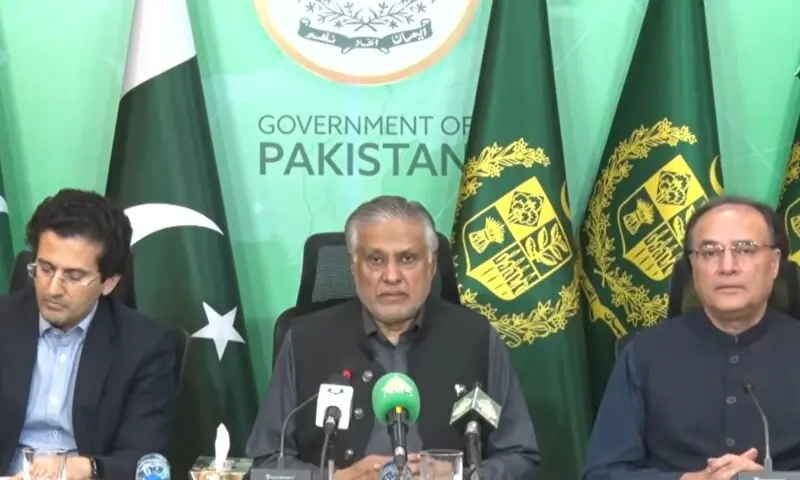
Notably, Pakistan's Deputy Prime Minister and Foreign Minister Ishaq Dar explicitly conveyed this defence commitment to his Iranian counterpart, Abbas Araghchi, warning Tehran against attacking Saudi territory. Dar emphasized the existence of the defence agreement and indicated Pakistan's potential involvement if Saudi Arabia were to face sustained attacks. Furthermore, reports suggest that while the SMDA does not explicitly detail nuclear cooperation, Pakistan has publicly committed to extending its nuclear deterrent, effectively placing Saudi Arabia under its nuclear umbrella if required, a development with significant geopolitical ramifications, especially for India.
The idea of an 'Islamic NATO' has been a recurring theme in discussions surrounding defence cooperation in the Muslim world. While the formal 'Islamic Military Counter Terrorism Coalition' (IMCTC) was established in 2015 with 43 member states, including Pakistan, to combat terrorism, the recent bilateral pact between Pakistan and Saudi Arabia has reignited speculation about a more robust, NATO-like security alliance. Some reports have even discussed the advanced stages of talks regarding Turkey's possible entry into a triangular arrangement with Pakistan and Saudi Arabia, potentially forming a new 'Islamic Nato' aimed at reshaping security alignments across South Asia, the Middle East, and parts of Africa.
The current crisis represents the first serious geopolitical test of the Pakistan-Saudi defence pact. Pakistan, a nuclear-armed nation with a long-standing military relationship with Saudi Arabia, has historically maintained a delicate balance between its ties with Riyadh and Tehran. However, the explicit nature of the SMDA now positions Pakistan more firmly in support of Saudi Arabia. Experts note that while direct offensive military action against Iran might not be a realistic option for Pakistan due to domestic constraints and its shared 900-kilometre border with Iran, providing covert operational support, intelligence sharing, naval patrols, or technical air defence cooperation could be viable avenues of assistance.
For an Indian audience, these developments hold significant importance. The potential for a powerful, nuclear-backed Islamic alliance involving Pakistan in India's extended neighborhood directly impacts regional security calculations. India has historically maintained strong diplomatic and economic ties with Saudi Arabia and other Gulf nations, as well as a complex relationship with Iran. Any shift in the regional power balance, particularly one involving Pakistan's nuclear capabilities, warrants close observation. The solidification of the Saudi-Pakistan defence alliance in response to Iranian actions presents a dynamic and evolving geopolitical landscape that could redefine security paradigms in the broader West Asia and South Asia regions. This ongoing situation underscores the critical need for diplomatic engagement and de-escalation efforts to prevent a wider conflict with potentially devastating global consequences.
Frequently Asked Questions
What is the Strategic Mutual Defence Agreement (SMDA) between Pakistan and Saudi Arabia?
The Strategic Mutual Defence Agreement, signed on September 17, 2025, is a pact between Pakistan and Saudi Arabia stating that any aggression against one country will be considered an act of aggression against both. This commitment is akin to Article 5 of NATO's collective defence clause.
How does the recent meeting between Asim Munir and the Saudi Defence Minister relate to current Middle East tensions?
The meeting between Pakistan's Army Chief Asim Munir and Saudi Defence Minister Prince Khalid bin Salman took place amidst escalating Iranian missile and drone attacks on Saudi Arabia and other Gulf states. The discussions focused on bolstering defence cooperation and identifying measures to counter these Iranian attacks within the framework of their bilateral defence pact.
Is an 'Islamic NATO' being formed?
While an 'Islamic Military Counter Terrorism Coalition' (IMCTC) already exists, of which Pakistan is a member, the recent bilateral defence agreement between Pakistan and Saudi Arabia has led to speculation about a new, more robust 'Islamic NATO'-like alliance. Some reports even mention potential talks for Turkey to join this arrangement, suggesting a triangular security architecture.
What are the implications of Pakistan's defence commitment to Saudi Arabia for regional stability?
Pakistan's pledge of defence support to Saudi Arabia, potentially extending its nuclear deterrent, introduces a significant new dynamic into the already volatile Middle East. This commitment could further solidify a regional bloc, intensify existing rivalries, and necessitate a delicate balancing act by Pakistan, which also shares a border with Iran and has a significant Shia population.
How is India viewing this developing alliance between Pakistan and Saudi Arabia?
For India, the deepening defence ties between Pakistan and Saudi Arabia, particularly with the explicit mutual defence agreement and potential nuclear implications, are highly significant. It impacts India's strategic calculations in its extended neighbourhood and within its complex relationships with both Saudi Arabia and Iran.