Ebola Bundibugyo Strain: Vaccines & Treatments Under Urgent Development
Global health authorities are rapidly developing new vaccines and treatments for the Bundibugyo Ebola strain, as there are currently no approved options. Several candidate therapies and vaccines, including contributions from India's Serum Institute, are in urgent clinical trial evaluations.
Key Highlights
- No licensed vaccines or treatments exist for the Bundibugyo Ebola strain.
- Several candidate vaccines and therapies are in development and clinical trials.
- Serum Institute of India is collaborating on a potential vaccine candidate.
- WHO is prioritizing experimental treatments for urgent evaluation.
- Existing Ebola vaccines (like Ervebo) show limited efficacy against this strain.
- The Bundibugyo strain has a high fatality rate, up to 40%.
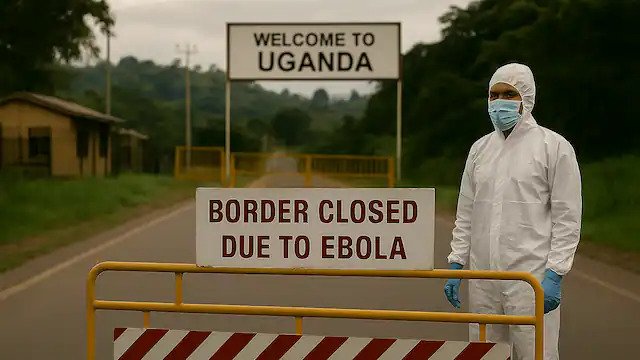
An escalating outbreak of Ebola disease caused by the Bundibugugyo virus strain in the Democratic Republic of Congo (DRC) and Uganda has prompted an urgent global race to develop specific vaccines and treatments, as no approved countermeasures currently exist for this particular strain [2, 3, 4, 5, 8, 9, 19]. The World Health Organization (WHO) has declared the situation a Public Health Emergency of International Concern, underscoring the severity and potential for widespread transmission [2, 3, 20]. The Bundibugyo virus, a less common but highly dangerous type of Ebola, has a fatality rate that can reach up to 40% [3, 9, 10, 13, 19], significantly complicating response efforts compared to outbreaks involving more common strains like Zaire ebolavirus for which approved vaccines and treatments are available [3, 18, 19].
Multiple promising candidate vaccines and therapeutics are now under intense development and are being prioritized for evaluation in clinical trials [2, 4, 5, 9, 22]. Among the vaccine candidates, a single-dose rVSV Bundibugyo vaccine, developed by the International AIDS Vaccine Initiative (IAVI), is considered the most promising by the WHO. This vaccine uses similar technology to Merck's Ervebo, which is approved for the Zaire strain. However, the development and assessment of this candidate are projected to take approximately seven to nine months before it can be evaluated in clinical trials [2, 9]. Another notable vaccine candidate is ChAdOx1 Bundibugyo, which leverages the ChAdOx1 platform used in the Oxford/AstraZeneca COVID-19 vaccine. This candidate is being manufactured by the Serum Institute of India in collaboration with Oxford University and the Coalition for Epidemic Preparedness Innovations (CEPI) [5, 9, 15, 22, 23]. Doses could potentially be ready within two to three months for clinical trials, though further animal data are required for confirmation [2, 5, 15, 22]. The Serum Institute of India's involvement highlights India's significant role in global vaccine production and its capacity to rapidly scale up manufacturing, drawing on its experience with COVID-19 vaccines [12, 15, 23].
In terms of therapeutics, the WHO has recommended prioritizing three experimental treatments for evaluation: the monoclonal antibodies MBP134 and Maftivimab, as well as the antiviral remdesivir [2, 9, 22]. Combination therapy using a monoclonal antibody and remdesivir is also being encouraged to explore synergistic benefits [2, 9, 22]. Gilead's remdesivir has shown laboratory activity against the Bundibugyo virus, with some data suggesting it might be more potent against this strain than the Zaire strain [9]. Mapp Biopharmaceutical's MBP134 has demonstrated activity against all known ebolaviruses in preclinical studies [5, 13]. Regeneron's maftivimab is also among the prioritized candidates [22]. The deployment of these experimental treatments in the DRC will likely require emergency use authorization or compassionate-use approval, as most have not yet been tested in humans [4, 5, 9].
It is crucial to note that Ervebo, the only licensed Ebola vaccine, while effective against the Zaire strain, has limited and inconclusive evidence of cross-protection against the Bundibugyo strain. Therefore, its use is currently recommended only within carefully designed research settings [2, 19, 22]. The challenges in responding to this outbreak are compounded by the Bundibugyo virus's distinct genetic makeup, which can make standard diagnostic tests less effective, and the difficult security situation in some affected regions, hindering surveillance and response efforts [3, 8, 9]. Public health measures such as rapid case detection, isolation, contact tracing, and safe burial practices remain critical in containing the spread while these medical countermeasures are developed and tested [3, 8, 13]. India, through its robust pharmaceutical industry and scientific institutions like the Indian Council of Medical Research (ICMR), is positioned to contribute significantly to the acceleration of research, development, and manufacturing of diagnostics, treatments, and vaccines for Ebola and other emerging infectious diseases through international collaborations [12].
Frequently Asked Questions
What is the Bundibugyo strain of Ebola?
The Bundibugyo virus (BDBV) is one of the six known species of Orthoebolavirus and is responsible for Ebola disease. It was first identified in 2007 and is known for its high fatality rate, up to 40%.
Are there any approved vaccines or treatments for the Bundibugyo Ebola strain?
No, currently there are no licensed vaccines or specific treatments approved for the Bundibugyo strain of the Ebola virus. Existing Ebola vaccines and treatments are typically designed for other strains, such as the Zaire strain, and have limited or inconclusive efficacy against Bundibugyo.
What is being done to develop new vaccines and treatments for the Bundibugyo strain?
Global health organizations and research institutions are actively developing and prioritizing several candidate vaccines and experimental therapies for urgent evaluation in clinical trials. This includes vaccines based on platforms like rVSV and ChAdOx1, as well as monoclonal antibodies and antiviral drugs.
What is India's role in developing Ebola vaccines and treatments?
India, through institutions like the Serum Institute of India and the Indian Council of Medical Research (ICMR), is collaborating on the development of potential vaccines and treatments. The Serum Institute of India is involved in manufacturing a candidate vaccine based on Oxford University's research, leveraging its expertise in mass production.
Why is the current Bundibugyo Ebola outbreak considered a public health emergency?
The outbreak is considered a public health emergency due to the Bundibugyo virus's high fatality rate, its rapid spread across borders (DRC and Uganda), and the lack of specific countermeasures, necessitating urgent international attention and coordinated response efforts.