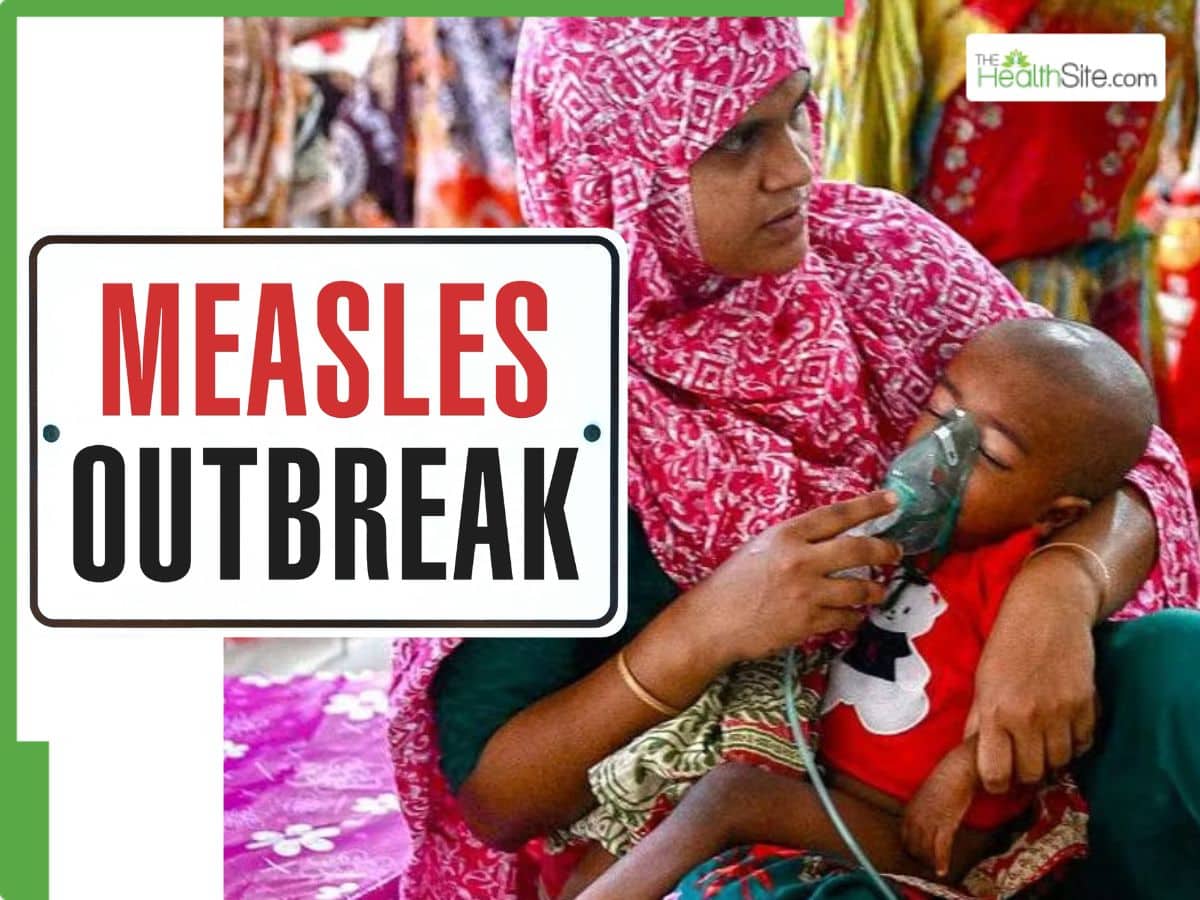
Measles Crisis Deepens in Bangladesh: Children's Lives at Risk
Bangladesh is grappling with a severe measles outbreak, reporting seven child deaths in a single day, comprising two confirmed and five suspected cases. The highly contagious disease has led to over a hundred child fatalities since mid-March, prompting an emergency vaccination campaign and exposing critical gaps in immunization coverage across the nation.
Key Highlights
- Bangladesh faces a severe measles outbreak with significant child mortality.
- Seven child deaths, two confirmed and five suspected, reported in one day.
- Over 100 suspected child deaths recorded since mid-March 2026.
- Outbreak attributed to declining vaccination rates and immunity gaps.
- Emergency vaccination campaigns launched in high-risk areas.
- Global resurgence of measles poses regional and international concerns.
Bangladesh is currently battling a severe and escalating measles outbreak, with recent reports indicating a significant toll on children's lives. The Asian Age Online, Bangladesh, reported on April 13, 2026, that seven more children died in a single day due to measles or measles-like symptoms. This figure includes two confirmed measles deaths and five deaths of children exhibiting symptoms of the highly contagious disease, as per the Directorate General of Health Services (DGHS) daily bulletin for the 24 hours leading up to 8 am on Monday.
This recent tragic count contributes to a rapidly rising death toll across the country. Since mid-March 2026, the outbreak has claimed the lives of over 100 children, with various sources providing slightly different, but consistently high, figures for suspected and confirmed deaths. For instance, as of April 10, 2026, 'Connecting The Dots' reported over 100 child deaths and thousands infected. UNICEF's Situation Report No. 1, dated April 8, 2026, stated 128 suspected deaths (21 confirmed) as of April 7, 2026, with 9,883 suspected and 1,398 laboratory-confirmed cases nationwide. Al Jazeera, on April 6, 2026, cited official data showing at least 98 suspected child deaths in the preceding three weeks. The Business Standard reported 10 child deaths from measles and measles-like symptoms between Saturday and Sunday, April 12, 2026, bringing the confirmed death toll to 28 for the year and 151 suspected deaths since March 15. Save the Children also highlighted 98 suspected deaths as of April 7, 2026, describing it as Bangladesh's most severe measles outbreak in about a decade.
The current wave of infections reportedly began around January 4, 2026, with the first case identified in a Rohingya refugee camp in Cox's Bazar, before surging through March. Dhaka, the capital, has been hit particularly hard, with its Infectious Disease Hospital recording 21 deaths by April 2, 2026. Other affected areas include Barishal, Chattogram, Rajshahi, and Mymensingh divisions, which have reported numerous fatalities. The outbreak has led to overwhelming pressure on hospitals, especially in densely populated regions, with thousands of children seeking care for measles-like symptoms.
The resurgence of measles in Bangladesh is attributed to several critical factors, primarily a significant decline in vaccination coverage. Experts indicate that measles vaccine coverage in Bangladesh dropped from approximately 90% in 2020 to roughly 57% in 2025. This decline has created substantial "immunity gaps" within the population, leaving many children unprotected. Disruptions caused by the COVID-19 pandemic, which shifted the government's focus away from routine immunization, and political instability leading to the cancellation of planned nationwide measles-rubella campaigns in 2024, have further exacerbated the situation. A large proportion of those affected are infants under nine months, who are typically not yet eligible for routine immunization.
In response to the deepening crisis, the Bangladeshi government, with support from UNICEF and partners, has launched emergency vaccination campaigns. The government approved BDT 6.04 billion in emergency funding for vaccine procurement and to expand treatment capacity, including intensive care support. A nationwide campaign is set to offer the measles vaccine to children aged 6 months and above, along with catch-up campaigns for children up to 5 years, starting in June. The first phase of the emergency measles-rubella campaign began on April 5, 2026, in 18 high-burden districts, including Dhaka and Barishal. However, officials are facing challenges such as shortages of syringes and vaccine doses.
The measles outbreak in Bangladesh is not an isolated event but rather part of a wider global resurgence, which experts link to falling vaccination rates, misinformation, and health system disruptions. This situation has significant implications for neighboring countries, including India, due to geographical proximity and shared public health challenges. Provisional data reported to the WHO from August 2025 to January 2026 placed India first among countries with measles outbreaks, reporting 12,135 cases. States like Maharashtra have also seen a sharp rise in measles cases in 2025, emphasizing the ongoing vulnerability and the need for robust immunization programs across the region. Health authorities emphasize that measles can easily cross borders, underscoring the urgency of containing outbreaks and reinforcing vaccination efforts regionally.
The humanitarian impact is substantial, with health facilities under severe strain due to overcrowding and limited resources. UNICEF has called for US$2.4 million to support efforts to contain measles and restore immunization coverage. The situation highlights the critical need for sustained public health efforts, improved vaccination infrastructure, and community engagement to prevent future outbreaks and protect vulnerable populations, especially children.
Frequently Asked Questions
What is causing the current measles outbreak in Bangladesh?
The current measles outbreak in Bangladesh is primarily driven by a significant decline in vaccination coverage, which dropped from approximately 90% in 2020 to about 57% in 2025. This has created immunity gaps, exacerbated by disruptions from the COVID-19 pandemic and political instability that delayed nationwide immunization campaigns.
Which regions in Bangladesh are most affected by the measles outbreak?
Dhaka, the capital city, has been particularly hard hit, with a high number of deaths and hospital admissions. Other significantly affected areas include the Rohingya refugee camp in Cox's Bazar, Barishal, Chattogram, Rajshahi, and Mymensingh divisions.
What measures are being taken to control the outbreak?
The Bangladeshi government, supported by UNICEF and other partners, has launched emergency vaccination campaigns, expanded eligibility for the measles vaccine to younger children (6 months and above), and approved emergency funding for vaccine procurement and treatment capacity.
How is the Bangladesh measles outbreak relevant to India?
The measles outbreak in Bangladesh is highly relevant to India due to geographical proximity and the highly contagious nature of the virus, which can easily cross borders. India itself has faced significant measles outbreaks, leading the world in cases reported to the WHO between August 2025 and January 2026, and experiencing rising cases in states like Maharashtra.
What are the key challenges in controlling this measles outbreak?
Key challenges include declining vaccination rates, existing immunity gaps, shortages of vaccine doses and syringes, overcrowding in health facilities, and the need for sustained public health efforts to reach unvaccinated and under-vaccinated populations.