Typhoon Bavi Hits Eastern China, Bringing Heavy Rains and Winds
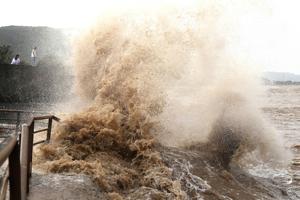
Typhoon Bavi made landfall in eastern China, prompting widespread evacuations and emergency responses. The storm brought significant rainfall and strong winds, posing a threat of severe weather across the region.
Key Highlights
- Typhoon Bavi made landfall in eastern China.
- Millions were evacuated ahead of the storm.
- Emergency response systems were activated.
- Heavy rains and strong winds battered the affected areas.
- The typhoon posed a significant threat to coastal regions.
Typhoon Bavi, a powerful tropical cyclone, made landfall in eastern China, triggering significant evacuations and activating emergency response protocols. The storm's arrival brought with it the threat of days of heavy rainfall and strong winds, impacting coastal provinces and inland areas.
Initial reports indicated that nearly two million people were evacuated from vulnerable coastal regions in anticipation of the typhoon's destructive potential. This mass evacuation effort was a critical measure taken by Chinese authorities to mitigate loss of life and minimize damage to property. Emergency services were on high alert, with resources mobilized to deal with potential flooding, landslides, and infrastructure damage.
The Global Times reported that China had raised its emergency response level in preparation for Typhoon Bavi, underscoring the severity of the anticipated impact. This involved coordinating efforts across various government agencies, including meteorological departments, disaster relief organizations, and local authorities, to ensure a swift and effective response. The focus was on protecting lives and ensuring the safety of citizens in the path of the storm.
Reuters, in its reporting, highlighted the ongoing threat of heavy rain, suggesting that the impact of Typhoon Bavi would extend beyond the initial landfall. Continuous precipitation could lead to widespread flooding in river basins and low-lying areas, further exacerbating the challenges faced by communities. The meteorological agencies closely monitored the typhoon's trajectory and intensity, providing regular updates to inform the public and guide response efforts.
The BBC's coverage emphasized the scale of the evacuations, noting that nearly two million people were relocated from their homes. This comprehensive evacuation strategy is a testament to China's experience in dealing with natural disasters, particularly typhoons that frequently affect its eastern coast. The relocation efforts aimed to move populations away from immediate danger zones, including coastal areas prone to storm surges and regions susceptible to torrential downpours.
The news of Typhoon Bavi's approach and landfall was a matter of significant concern for the affected regions. The economic implications, including potential damage to agriculture, fisheries, and infrastructure, were also considerable. Coastal cities and towns braced for the impact, with many businesses closing temporarily and transportation services being suspended to ensure public safety.
As the typhoon moved inland, its intensity gradually decreased, but the threat of heavy rainfall persisted. The cumulative impact of the storm was closely assessed by disaster management agencies. Efforts were underway to provide aid and support to those affected by the typhoon, including temporary shelter, food, and medical assistance. The recovery process was expected to be challenging, requiring coordinated efforts from local and national authorities, as well as international assistance if deemed necessary.
The news highlights the vulnerability of coastal regions to extreme weather events, a growing concern globally due to climate change. The preparedness and response mechanisms put in place by China in the face of Typhoon Bavi serve as a case study in disaster management. The long-term impact on the region's environment and economy would be subjects of further analysis and monitoring in the weeks and months following the typhoon's passage. The focus remained on immediate relief and ensuring the safety and well-being of the affected populations.
Frequently Asked Questions
What is Typhoon Bavi?
Typhoon Bavi was a powerful tropical cyclone that made landfall in eastern China, bringing heavy rains and strong winds.
How many people were evacuated due to Typhoon Bavi?
Nearly two million people were evacuated from vulnerable coastal regions in China in anticipation of the typhoon's impact.
What were the main concerns associated with Typhoon Bavi?
The primary concerns were heavy rainfall leading to widespread flooding, strong winds causing damage, and potential storm surges along the coast.
What kind of emergency response was activated in China for Typhoon Bavi?
China raised its emergency response level, involving coordinated efforts from meteorological departments, disaster relief organizations, and local authorities to manage the crisis.