US, Iran Clash in Hormuz, UAE Intercepts Missiles Amid Truce Challenge
Key Highlights
- US military responded to Iranian attacks on three Navy destroyers in Hormuz.
- UAE intercepted multiple Iranian missile and drone attacks on its territory.
- A fragile ceasefire from April 8, 2026, between US and Iran is severely tested.
- Donald Trump warned Iran of 'a lot of pain' if a new deal is not signed.
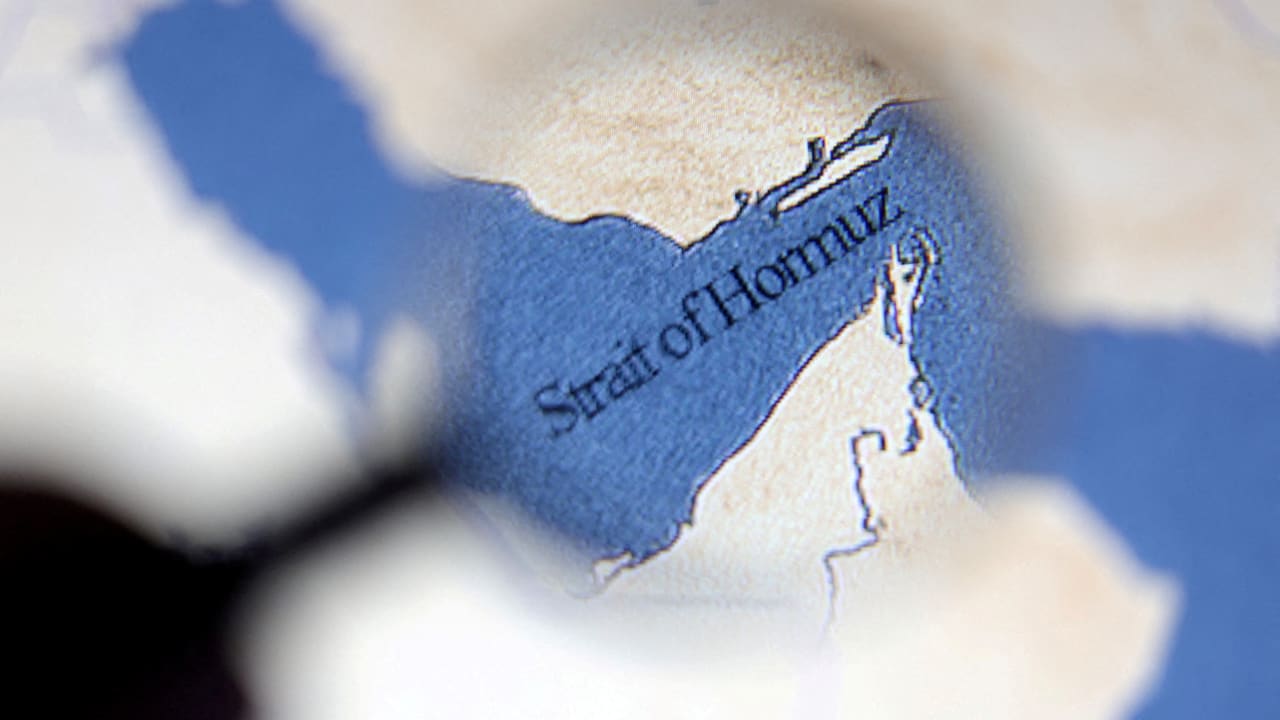
- Strait of Hormuz remains contested, impacting global oil supply and shipping.
- Conflict began February 28, 2026, with US-Israeli strikes on Iran.
Frequently Asked Questions
What prompted the latest US strikes against Iran?
The US military carried out self-defense strikes against Iranian military targets on May 7, 2026, after Iranian forces attacked three US Navy guided-missile destroyers transiting the Strait of Hormuz.
What is the significance of the Strait of Hormuz in this conflict?
The Strait of Hormuz is a critical global chokepoint for oil shipments. Iran's actions to effectively close it, coupled with a US naval blockade, have severely disrupted international shipping and caused global oil prices to skyrocket.
Has the UAE been directly affected by the recent escalation?
Yes, the UAE's Ministry of Defense confirmed on May 8, 2026, that its air defenses were intercepting missile and drone attacks from Iran, hours after the US-Iran exchange in Hormuz. The UAE has faced repeated Iranian attacks since the conflict began in February 2026.
What was the status of US-Iran relations before these incidents?
A fragile ceasefire between the US and Iran had been in effect since April 8, 2026, following weeks of prior hostilities. However, recent events have severely challenged the continuation of this truce.
What was Donald Trump's reaction to the recent events?
US President Donald Trump issued strong warnings to Iran, threatening 'a lot of pain' and more violent action if a deal isn't reached soon. He also referred to the US retaliatory strikes as a 'love tap.'