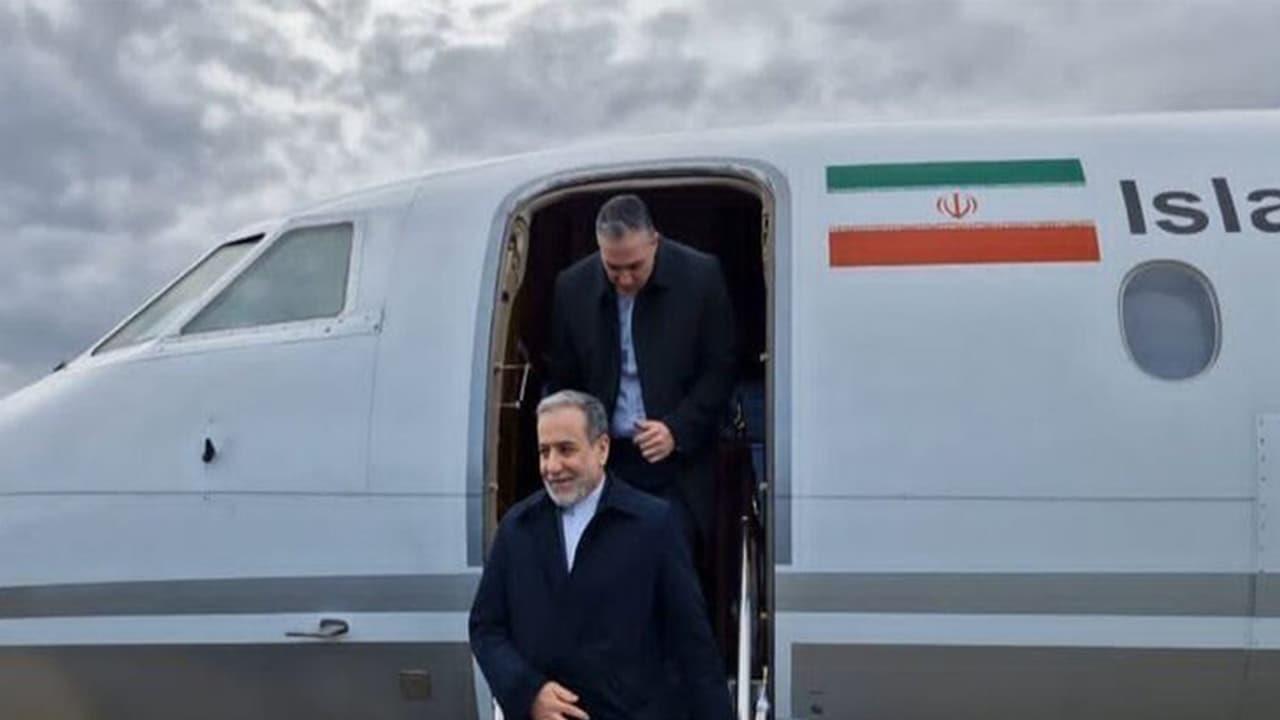
Iran FM Araghchi Discusses Conditions for US Talks in Pakistan
Iranian Foreign Minister Abbas Araghchi met with Pakistani officials to discuss conditions for resuming stalled US-Iran talks. Iran has reportedly proposed reopening the Strait of Hormuz while delaying nuclear negotiations, a move conveyed through Pakistan as a mediator. Key sticking points include Iran's nuclear program, the Strait of Hormuz, and sanctions relief.
Key Highlights
- Araghchi reviewed conditions for US-Iran talks in Pakistan.
- Iran proposed reopening Strait of Hormuz, delaying nuclear talks.
- Pakistan continues to mediate between US and Iran.
- Strait of Hormuz security and Iran's nuclear program remain key issues.
- Direct negotiations between US and Iran have stalled.
- A conditional ceasefire remains in place since April 8, 2026.
The ongoing diplomatic efforts to de-escalate the conflict between Iran and the United States have reached a critical juncture, with Iranian Foreign Minister Abbas Araghchi conducting a series of high-level meetings in Pakistan, Oman, and Russia in late April 2026. The core objective of these engagements has been to review the "path and conditions" for potentially resuming stalled negotiations between Tehran and Washington [12, 13, 17]. Araghchi's visit to Islamabad, in particular, focused on discussions with Pakistani officials, including Army Chief Field Marshal Asim Munir and Deputy Prime Minister Ishaq Dar, who have been instrumental in mediating the conflict and brokering a conditional ceasefire that began on April 8, 2026 [3, 10, 15].
The situation remains fraught with complexity, as direct talks between the US and Iran have proven elusive. While U.S. President Donald Trump initially indicated a willingness for in-person discussions, he later suggested that communication could occur via phone calls, underscoring a preference for remote diplomacy [4, 8, 17]. Araghchi's engagements in Pakistan aimed to convey Iran's red lines and conditions for any future dialogue, with messages being relayed through Pakistani intermediaries due to Tehran's wariness of direct engagement following previous attacks after indirect talks [12, 15, 16, 25].
A significant development reported during this period is Iran's presentation of a new proposal to the United States, conveyed through Pakistan. This proposal reportedly centers on prioritizing the reopening of the Strait of Hormuz and achieving a cessation of hostilities, while deferring negotiations on Iran's nuclear program to a later stage [4, 8, 11, 14, 20, 21]. This approach marks a potential shift, as it prioritizes de-escalation and maritime access over the long-standing demand for immediate nuclear concessions from Iran, which has been a primary sticking point [9, 20, 22]. The Strait of Hormuz, a vital global energy chokepoint through which a fifth of all traded oil and natural gas passes, has been at the center of the standoff since the conflict began [4, 10]. Iran has restricted movement through it, while the US has imposed a blockade on Iranian ports [4].
The key issues dominating the US-Iran negotiations remain multifaceted. Iran's enriched uranium stockpile and its nuclear ambitions are a major concern for the US and its allies, with Washington seeking a transfer or surrender of the material to prevent nuclear weapon development [5, 9, 18, 26]. Iran, however, insists on its right to enrich uranium for civilian use and demands sanctions relief and the release of billions in frozen assets as part of any compromise [9, 10, 22]. Other critical issues include the reopening of the Strait of Hormuz, the lifting of US naval blockades on Iranian ports, compensation for damages caused by the conflict, and explicit guarantees against further attacks [12, 13, 18, 20]. The US has also expressed concerns about Iran's support for regional proxies [9].
The initial round of high-stakes negotiations held in Islamabad on April 11-12, 2026, lasting 21 hours, concluded without an agreement [7, 10]. Despite progress on some points of a ceasefire, the nuclear program and the status of the Strait of Hormuz remained unresolved [10]. Both sides reported making progress but criticized the other's demands, with the US delegation led by Vice President JD Vance and the Iranian team by Parliamentary Speaker Mohammad Bagher Ghalibaf and Foreign Minister Araghchi [5, 7, 10]. Following the unsuccessful talks, Iran reportedly declined to participate in a second round due to Washington's "unrealistic" demands and the continued blockade [9].
Araghchi's subsequent diplomatic tour, including visits to Oman and Russia, signifies Iran's strategy to garner support and explore alternative avenues for de-escalation. His meetings with Russian officials, including President Vladimir Putin, aimed to discuss bilateral ties, regional issues, and the escalating conflict [4, 14, 23]. Oman, another key regional player and a coastal nation on the Strait of Hormuz, has also been engaged in mediation efforts [12, 25].
The broader context of the conflict, which began with US and Israeli strikes on February 28, 2026, has led to significant casualties and displacement, as well as severe disruptions to global energy markets [5, 20]. The assassination of Iran's Supreme Leader Ali Khamenei and subsequent counter-strikes have intensified regional tensions [5].
The current diplomatic landscape is characterized by caution and a lack of complete trust between the US and Iran, with past negotiators emphasizing the lengthy and complex nature of dealing with Tehran [19, 22]. While Pakistan continues its pivotal role as a mediator, the path toward a sustainable peace agreement remains challenging, with both sides grappling with deep-seated distrust and differing priorities. The effectiveness of Iran's latest proposal and the US response will be crucial in determining the future trajectory of this critical geopolitical standoff.
Frequently Asked Questions
What was the main topic of discussion between Iran's Foreign Minister Araghchi and Pakistani officials?
The main topic was reviewing the conditions and pathways for resuming negotiations between Iran and the United States, following a period of conflict and stalled direct talks.
What is Iran's latest proposal to the US?
Iran has reportedly proposed a deal to reopen the Strait of Hormuz and end the war, while delaying nuclear negotiations to a later stage. This proposal, conveyed through Pakistan, also includes lifting the US blockade on Iranian ports.
What are the key sticking points in the US-Iran negotiations?
The primary sticking points include Iran's nuclear program and its enriched uranium stockpile, the reopening of the Strait of Hormuz, sanctions relief for Iran, and compensation for damages from the conflict.
Why is Pakistan playing a crucial role in these negotiations?
Pakistan has emerged as a key mediator, brokering a ceasefire and facilitating indirect and direct talks between the US and Iran due to its strategic position and diplomatic relations with both nations.
What is the status of the ceasefire between the US and Iran?
A conditional ceasefire was announced on April 8, 2026, and has been extended. However, negotiations to reach a lasting agreement have stalled, with the fate of the ceasefire remaining precarious.