Karnataka withdraws 2022 uniform order, allows hijab and sacred threads
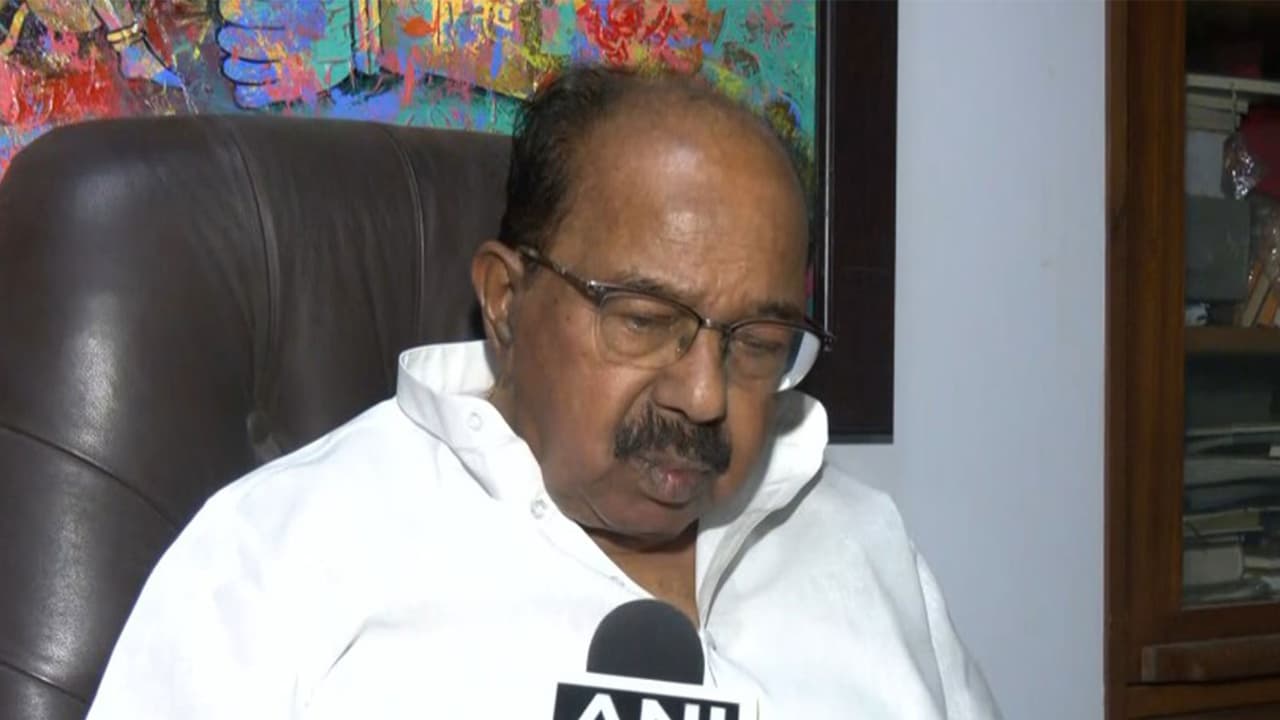
Karnataka's government has rescinded a 2022 order that prohibited the wearing of hijab and other religious symbols with uniforms in educational institutions. The new order permits students to wear religious attire, including hijabs and sacred threads, alongside prescribed uniforms.
Key Highlights
- Karnataka government revokes 2022 order on school uniforms.
- Hijab and sacred threads now permitted with uniforms.
- Order applies to schools and pre-university colleges.
- Decision aims to uphold religious freedom and inclusivity.
- Previous order had caused significant controversy.
- New government seeks to promote harmonious educational environment.
The Karnataka government has officially withdrawn a contentious 2022 order that had banned the wearing of hijab and other religious symbols along with prescribed uniforms in educational institutions across the state. This move, announced recently, signals a significant policy shift, allowing students to wear their religious attire, such as hijabs and sacred threads (janivara), alongside the mandated school uniforms.
The previous order, issued during the tenure of the Bharatiya Janata Party (BJP) government, had sparked widespread debate and protests, particularly concerning the right to religious freedom and expression for Muslim students who customarily wear the hijab. The High Court of Karnataka had upheld the ban, stating that uniforms were essential to maintain equality and discipline. However, the current administration, led by the Indian National Congress, has chosen to reverse this directive, emphasizing a commitment to religious inclusivity and secular principles within educational spaces.
Official sources indicate that the new order is intended to foster a more harmonious and inclusive learning environment. By allowing religious symbols, the government aims to respect the diverse cultural and religious fabric of Karnataka. The decision has been met with mixed reactions. While many minority communities and civil rights groups have welcomed the move as a step towards restoring religious freedom and secular values, some right-wing organizations and individuals have expressed concerns, echoing arguments about maintaining uniformity and discipline in schools.
This withdrawal of the 2022 order is seen as a direct response to the demands of various student groups and organizations who had been advocating for the right to practice their religious customs within the school premises. The Congress party, during its election campaign, had promised to review and potentially revoke the hijab ban, and this action aligns with that electoral pledge. The government's stance is that education should not come at the cost of religious identity, and that a balance can be struck between maintaining an orderly educational setting and respecting individual religious freedoms.
The implications of this decision are being closely watched, especially given the sensitive nature of the hijab issue in India. The Karnataka government's move could influence similar debates in other states and might lead to further discussions on the interpretation of secularism and religious freedom in public institutions. The administration has stated that the order applies to all state-run and government-aided schools and pre-university colleges, ensuring a uniform application across the board. The focus now shifts to how this new policy will be implemented on the ground and whether it will successfully de-escalate the tensions that had previously surrounded the issue. The government's objective is to ensure that all students feel welcome and respected, regardless of their religious affiliations, thereby promoting an environment conducive to learning and mutual understanding.
The reversal of the 2022 order underscores a broader political narrative in Karnataka, where the new government is seeking to distance itself from policies enacted by the previous administration that were perceived as divisive. The emphasis is now on governance that promotes social cohesion and respects the constitutional rights of all citizens. The details of the implementation will likely be communicated to educational institutions, with a clear directive to allow students to wear their religious attire as long as it does not disrupt the educational process or compromise safety and discipline. This policy change is a significant development in the ongoing dialogue about religion, identity, and education in India, reflecting a commitment to a more inclusive approach in public life.
Frequently Asked Questions
What was the 2022 order that Karnataka has now withdrawn?
The 2022 order, issued by the previous BJP government, banned students from wearing the hijab and other religious symbols in educational institutions, mandating adherence to prescribed uniforms.
What does the new Karnataka government order permit?
The new order allows students to wear religious attire, including hijabs and sacred threads, alongside the prescribed school uniforms.
Why has the Karnataka government withdrawn the previous order?
The government stated its intention to foster a more inclusive and harmonious educational environment, respecting religious freedom and diversity.
What is the scope of the new order?
The order applies to all state-run and government-aided schools and pre-university colleges in Karnataka.