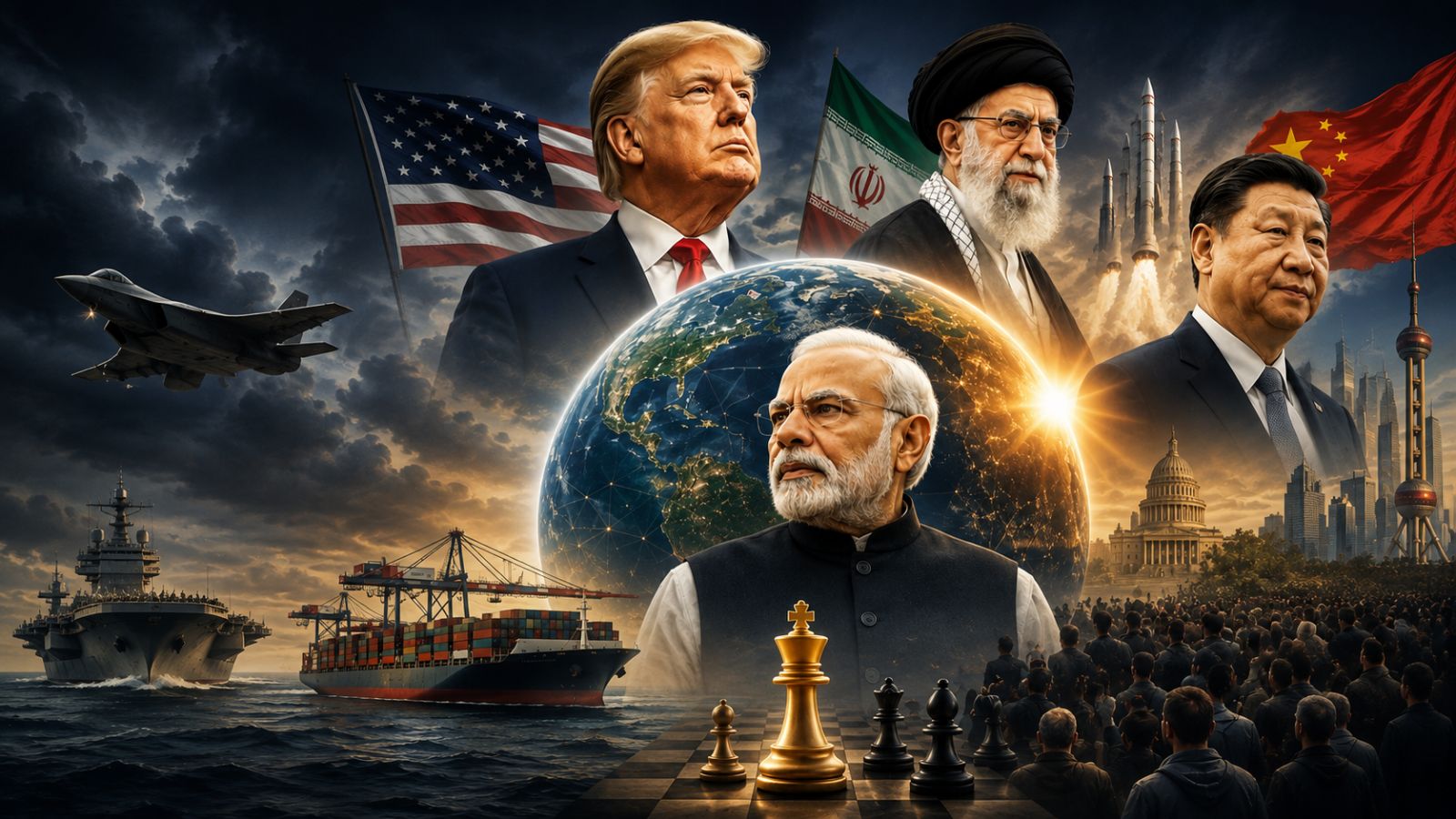
US, Iran Resume Dialogue Amid Strained Hormuz Strait Tensions
The United States and Iran are reportedly resuming dialogue, with discussions focusing on the Strait of Hormuz and potential tolls. This comes amidst heightened tensions and ongoing conflict in the region, with both nations issuing threats and engaging in military actions. The negotiations aim to de-escalate the situation and address critical issues including Iran's nuclear program and sanctions.
Key Highlights
- US and Iran resume dialogue focusing on Strait of Hormuz.
- Tensions escalate with threats and military actions in the region.
- Talks aim to de-escalate conflict and address nuclear and sanctions issues.
- Strait of Hormuz remains a key point of contention and strategic importance.
- Pakistan is mediating ongoing negotiations between the US and Iran.
- Reports indicate a potential memorandum of understanding is being discussed.
Amidst a period of heightened geopolitical tension and ongoing conflict in the Middle East, the United States and Iran are reportedly resuming dialogue, with critical discussions centered on the strategic Strait of Hormuz. These negotiations come at a time when the region is experiencing a complex web of military actions, retaliatory strikes, and diplomatic maneuvering, making the prospect of de-escalation a paramount concern.
The Strait of Hormuz, a vital chokepoint for global oil transport, has become a focal point of the conflict, with both nations engaging in a war of brinkmanship. Iran has repeatedly threatened and, according to reports, attacked commercial vessels that do not adhere to its designated routes, seeking to assert control and potentially collect fees. In response, the U.S. has intensified its military presence and actions, including blockade measures and strikes against Iranian assets, leading to a significant disruption of shipping traffic and a surge in energy prices.
Reports indicate that the current round of talks, with Pakistan acting as a mediator, is focused on de-escalating the conflict and addressing several key issues. These include the freedom of navigation in the Strait of Hormuz, Iran's nuclear program, its ballistic missile capabilities, and the lifting of sanctions on Tehran. The U.S. has historically sought to prevent Iran from developing nuclear weapons and has demanded limits on its missile programs, while Iran has countered with demands for security guarantees and an end to U.S. and Israeli aggression.
U.S. President Donald Trump has adopted a hardline stance, threatening further military action against Iran if a satisfactory agreement is not reached. He has also made shifting statements regarding potential U.S. tolls in the Strait of Hormuz, at one point suggesting the U.S. might impose them if a peace deal fails, only to later U-turn on this threat, citing productive conversations with Middle Eastern leadership. Conversely, Iranian military officials have dismissed U.S. claims of Iran seeking a halt to attacks, asserting their readiness for any eventuality and denying reports of an agreement to reopen the Strait of Hormuz.
The current situation is a culmination of years of rising tensions, exacerbated by events such as large-scale strikes by U.S. and Israeli forces on Iranian targets in February 2026, and subsequent retaliatory actions by Iran. While a memorandum of understanding was reportedly signed in June 2026, intended to bring the conflict to a formal end within 60 days, Iran's continued actions in the Strait of Hormuz have led to renewed confrontations.
The news of resumed dialogue, even amidst such a volatile climate, suggests a potential opening for diplomatic resolution. However, the deep-seated mistrust and conflicting objectives between the U.S. and Iran, coupled with the complex geopolitical landscape involving other regional actors, mean that a lasting peace remains a challenging endeavor. The world watches closely as these critical negotiations unfold, with the stability of global energy markets and regional security hanging in the balance.
For the Indian audience, this news is relevant due to India's significant energy imports from the Middle East and its strategic interests in regional stability. Disruptions in the Strait of Hormuz can directly impact India's economy through increased oil prices and potential supply chain disruptions. Furthermore, India maintains strong diplomatic and economic ties with both the U.S. and Iran, making developments in their bilateral relationship a matter of considerable importance.
Frequently Asked Questions
What is the significance of the Strait of Hormuz?
The Strait of Hormuz is a vital maritime chokepoint connecting the Persian Gulf to the open ocean, through which approximately 20% of the world's total oil consumption passes. Its strategic importance makes it a flashpoint for international tensions.
What are the main points of contention between the US and Iran regarding the Strait of Hormuz?
The primary points of contention revolve around freedom of navigation, Iran's attempts to control passage and potentially impose tolls, and the US efforts to ensure unimpeded access for global shipping. This is intertwined with broader issues like Iran's nuclear program and sanctions.
What role is Pakistan playing in the current US-Iran negotiations?
Pakistan is acting as a mediator between the United States and Iran, facilitating ongoing negotiations aimed at de-escalating the conflict and reaching agreements on issues such as the Strait of Hormuz and Iran's nuclear program.