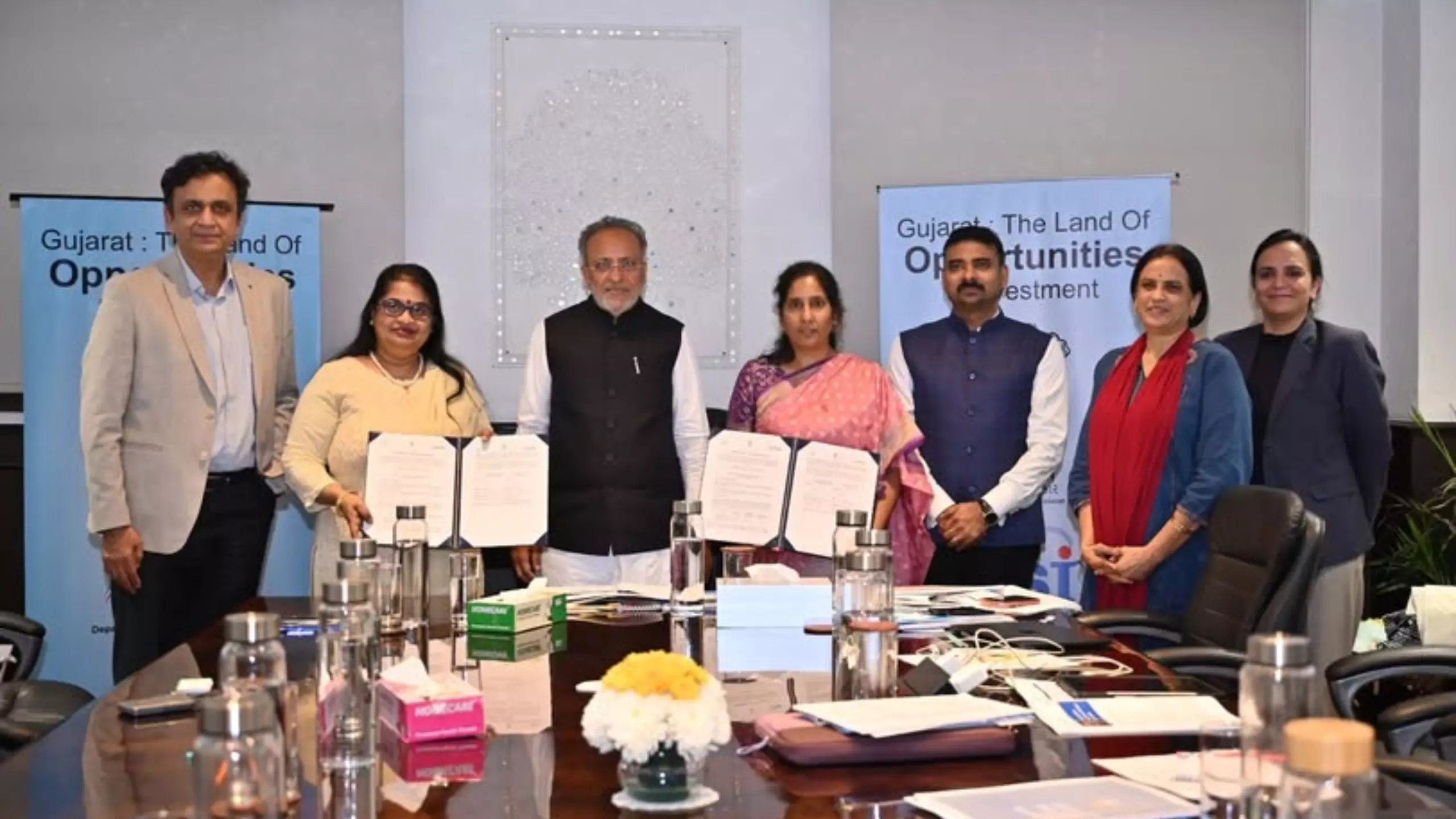
Gujarat to mandate parental notice for marriage registration
Gujarat is set to amend its marriage registration rules, requiring notification to parents of individuals intending to marry. The move aims to prevent alleged misuse of current provisions and address concerns related to interfaith marriages, sparking debate on individual rights versus parental involvement.
Key Highlights
- Gujarat plans to notify parents before marriage registration.
- The amendment targets prevention of 'misuse' of existing rules.
- Concerns over 'love jihad' and interfaith marriages cited.
- New rules aim to enhance transparency in marriage registration.
- Legal experts and activists raise concerns over individual rights.
- The move may impact the autonomy of consenting adults.
The state of Gujarat is poised to introduce significant amendments to its marriage registration rules, a move that has generated considerable discussion and concern. The proposed changes, as reported by The Hindu and corroborated by other major news outlets like The Times of India, NDTV, and India Today, are primarily driven by the government's stated objective to curb the alleged 'misuse' of existing marriage registration norms. A key aspect of these amendments is the mandatory notification of parents or guardians of individuals intending to register their marriage. This provision is particularly aimed at ensuring parental awareness, especially in cases involving individuals below a certain age or where there might be disputes or concerns from the family. The government has also cited apprehensions regarding 'love jihad' – a term often used to allege forced religious conversion through marriage – as a contributing factor to the proposed changes, as indicated by reports from India Today. The amendments seek to bring greater transparency and parental oversight into the marriage registration process, ostensibly to protect individuals and families from potential exploitation or coercion. However, the proposed changes have drawn sharp criticism from legal experts, civil rights activists, and various media analyses, including pieces in The Indian Express. Critics argue that mandating parental notification infringes upon the fundamental rights of consenting adults to marry as guaranteed under the Indian Constitution. They contend that such provisions could undermine individual autonomy and potentially empower families to obstruct marriages based on personal or religious biases. The Indian Express highlights that such a provision might contradict established legal precedents and court rulings that uphold the right to marry for consenting adults, irrespective of parental consent. While the Gujarat government frames these changes as a measure to prevent misuse and ensure accountability, opponents view it as a regressive step that could complicate and hinder the marriage registration process for many, particularly interfaith couples. The discourse surrounding these amendments reflects a broader societal tension between traditional family structures and evolving notions of individual freedom and privacy in matters of marriage and personal relationships. The exact details of the amended rules, including the age thresholds and the process for notification and potential objections, are still being formulated. However, the direction signifies a move towards greater state and familial intervention in the personal decision of marriage. The urgency of this development stems from its potential to significantly impact civil liberties and the legal framework governing marriage in Gujarat, with implications that could resonate across other states. The news falls under the category of state policy, civil rights, and social issues within India. The public discourse indicates a high level of interest and debate, suggesting a medium to high urgency for public awareness and understanding of the implications of these impending rule changes. The primary objective cited by the government is to prevent the misuse of the existing marriage registration system. This misuse, according to government sources and media reports, often pertains to situations where individuals, particularly young women, allegedly enter into marriages without the knowledge or consent of their families, sometimes leading to alleged forced conversions or other forms of exploitation. The amendments are designed to create a mechanism for parental involvement, thereby providing families with an opportunity to intervene or at least be aware of the marriage plans of their adult children. This approach reflects a conservative societal perspective that emphasizes the role of family in major life decisions. However, the legal and ethical implications are substantial. The right to marry is considered a fundamental aspect of personal liberty. Provisions that necessitate parental notification or consent, especially for adults who are legally of age to marry, can be seen as a paternalistic intrusion into private life. Legal experts quoted in various reports have pointed out that while the state has an interest in ensuring the authenticity of marriages and preventing fraud, these measures should not unduly restrict the freedom of individuals. The debate also touches upon the complex issue of interfaith marriages, which have often been politicized in India. The term 'love jihad' has been used by certain political and social groups to describe alleged instances where Hindu women are purportedly deceived into marrying Muslim men with the aim of religious conversion. While the government has not explicitly stated that the amendments are solely for addressing 'love jihad', the timing and context of the announcement, coupled with media reports, strongly suggest this as a significant underlying concern. Critics argue that such provisions can be weaponized to harass couples, particularly those from different religious backgrounds, and that the focus on parental notification is a way to indirectly discourage or obstruct interfaith unions. The amendments are expected to introduce a cooling-off period after the initial application for marriage registration, during which parents would be officially informed. This period would likely allow for verification of details and provide a window for parental intervention or grievance redressal. The implementation details are crucial: will there be clear procedures for handling objections? How will the state ensure that these provisions are not used to discriminate against couples based on religion or caste? These questions remain central to the ongoing debate. The impact of these changes could extend beyond Gujarat, potentially influencing policy discussions in other states grappling with similar social and legal issues related to marriage and family. The focus on parental consent and notification also raises questions about the state's role in regulating personal relationships and the balance between individual autonomy and societal/familial norms. The broader implication is a potential shift in how marriage registration is perceived – moving from a purely administrative process of legal recognition to one that involves greater social and familial gatekeeping. The verification of these claims relies on the consistent reporting across multiple credible news outlets, citing government statements and legal analyses. The core facts—Gujarat's intent to amend marriage registration rules, the inclusion of parental notification, and the stated reasons—are well-established across these sources. The debate and differing interpretations surrounding the implications for individual rights are also consistently reported, suggesting that the original article accurately reflects the unfolding situation and the surrounding discourse.
Frequently Asked Questions
What is the main change proposed in Gujarat's marriage registration rules?
The main proposed change is the mandatory notification of parents or guardians of individuals intending to register their marriage. This aims to ensure parental awareness and involvement in the process.
Why is the Gujarat government proposing these changes?
The government cites the alleged 'misuse' of existing marriage registration norms and concerns related to interfaith marriages, including issues often associated with the term 'love jihad', as reasons for the proposed amendments.
What are the main criticisms against the proposed amendments?
Critics argue that the amendments infringe upon the fundamental rights of consenting adults to marry, potentially undermining individual autonomy and privacy. Concerns are also raised about the possibility of these provisions being used to obstruct interfaith marriages.
Do these new rules require parental consent or just notification?
The reports indicate a focus on mandatory parental notification. The specifics of whether parental consent will be legally required to proceed with registration, or if it's primarily an information-sharing mechanism with potential for objections, are still being detailed in the upcoming amendments.