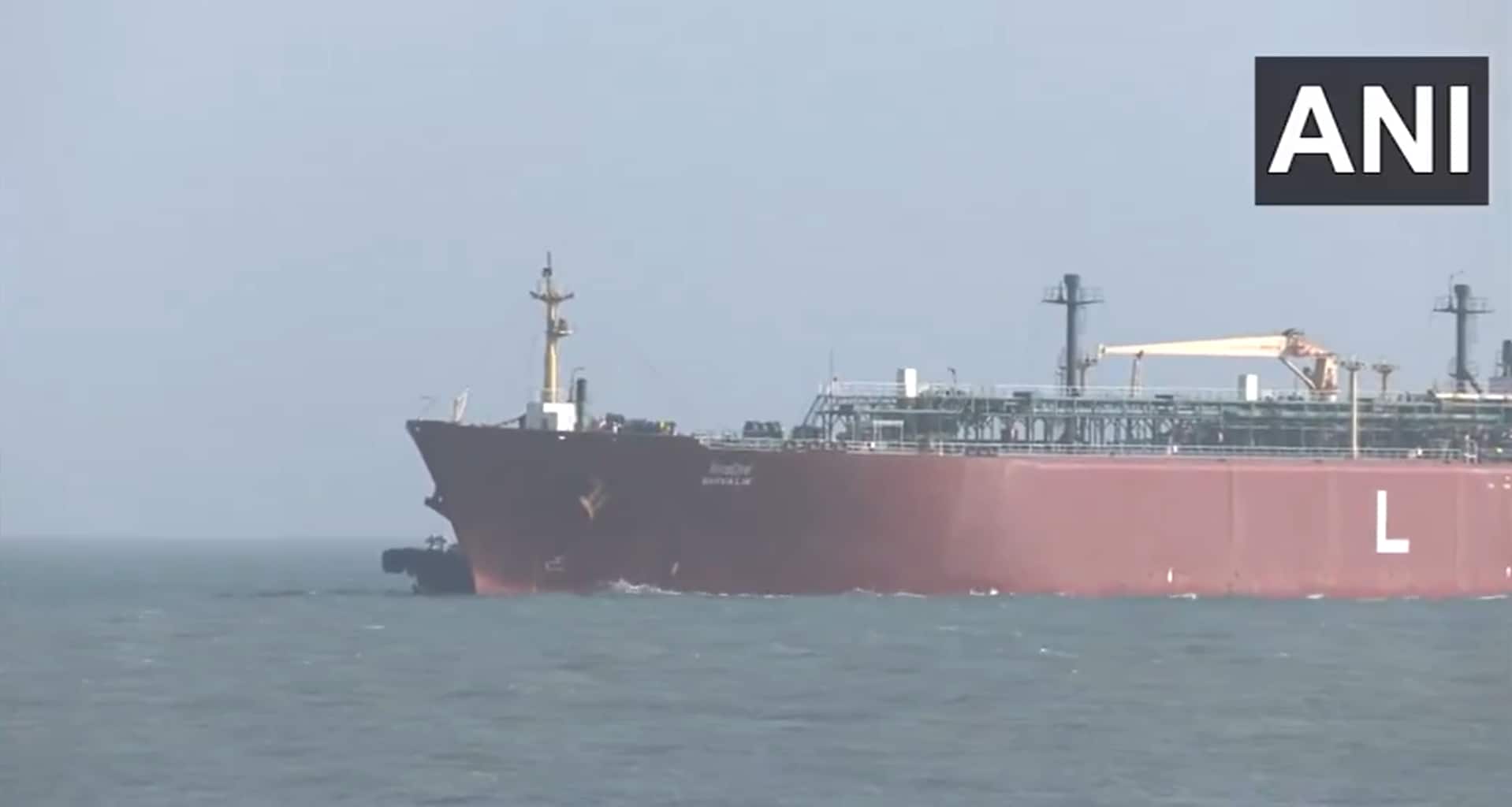
LPG Tanker Nanda Devi Arrives, Easing India's Energy Concerns
The LPG tanker 'Nanda Devi' has successfully arrived at Gujarat's Vadinar Port, delivering critical cooking gas supplies to India. This arrival, following another tanker 'Shivalik,' offers significant energy relief amidst fears of shortages due to ongoing geopolitical tensions and shipping disruptions in the Strait of Hormuz, a vital maritime chokepoint.
Key Highlights
- LPG tanker 'Nanda Devi' reached Vadinar Port with 47,000 tonnes of gas.
- Second major LPG arrival in two days, easing India's supply concerns.
- Vessel successfully navigated the conflict-hit Strait of Hormuz.
- Indian Navy provided escort, ensuring safe passage under 'Operation Sankalp'.
- Arrival provides crucial relief amidst India's high LPG import dependency.
- Diplomatic efforts secured transit for Indian-flagged commercial vessels.
In a significant development for India's energy security, the LPG tanker 'Nanda Devi' successfully arrived at Gujarat's Vadinar Port on Tuesday, March 17, 2026, carrying approximately 47,000 metric tonnes of liquefied petroleum gas (LPG). This arrival marks the second critical LPG delivery to India within two days, following the tanker 'Shivalik' which reached Mundra Port in Gujarat on Monday, March 16, 2026, with about 46,000 metric tonnes of LPG. The timely arrival of these vessels provides much-needed relief to India, which had been grappling with mounting concerns over potential LPG shortages triggered by escalating geopolitical tensions and disruptions in the Strait of Hormuz, a crucial global maritime chokepoint.
Both 'Nanda Devi' and 'Shivalik,' Indian-flagged vessels owned by the state-run Shipping Corporation of India, successfully navigated the conflict-ridden Strait of Hormuz in the Middle East. Their passage was secured through a combination of intensive diplomatic efforts with Iranian authorities and active escort operations by the Indian Navy under 'Operation Sankalp'. The Ministry of Shipping had earlier announced that these two LPG carriers, collectively carrying around 92,700 metric tonnes of LPG, were expected to arrive on March 16 and 17, respectively.
India's reliance on LPG imports is substantial, with approximately 60% of its domestic consumption being met by imports. A staggering 90% of these imports traditionally transit through the Strait of Hormuz. The recent disruptions in this strait, described by some as effectively closed to commercial shipping amidst a conflict involving the United States, Israel, and Iran, had severely impacted India's energy supply lines. The crisis led to concerns about fuel shortages, rising prices, and widespread fears among households and small businesses. Prior to the safe transit of these tankers, several Indian vessels, including LPG carriers, crude oil tankers, and LNG carriers, were stranded west of the Strait of Hormuz, highlighting the vulnerability of India's energy security.
The Indian government has taken proactive measures to mitigate the impact of the crisis. These include intensifying diplomatic dialogues with Gulf nations and Iran to ensure safe passage for its commercial vessels. Furthermore, the Indian Navy's deployment of task forces to escort merchant vessels and oil tankers from the North Arabian Sea to Indian ports underscores the nation's commitment to safeguarding its energy lifelines. Operation Sankalp, initiated in 2019, has seen the continuous presence of Indian warships in the Gulf region to protect Indian-flagged vessels and ensure maritime trade continuity.
The LPG carried by 'Shivalik' and 'Nanda Devi' is crucial for meeting India's daily cooking gas requirements. One vessel alone is estimated to meet nearly one day of India's total LPG import needs. Upon arrival, the 'Nanda Devi's cargo is expected to undergo ship-to-ship transfer at sea near Vadinar, with a significant portion, around 24,000 metric tonnes, destined for Tamil Nadu to support supplies in the region. The government has also encouraged domestic refineries to maximize LPG production and has been working to diversify its sourcing to include countries like the US, Norway, Canada, Algeria, and Russia, reducing its heavy dependence on Gulf imports.
This successful transit and arrival of LPG tankers demonstrate the effectiveness of India's diplomatic and naval strategies in navigating complex geopolitical challenges to ensure its energy security. While immediate relief is provided, the ongoing situation in the Middle East continues to pose a significant challenge for global energy flows, emphasizing the need for continued vigilance and diversification of supply routes for nations heavily dependent on imports like India.
Frequently Asked Questions
Why is the arrival of the LPG tanker 'Nanda Devi' significant for India?
The arrival of the LPG tanker 'Nanda Devi', along with 'Shivalik', is significant as it delivers crucial cooking gas supplies to India, providing 'energy relief' amidst fears of shortages. India heavily relies on LPG imports, with about 60% of its domestic consumption being imported, making these shipments vital for household and economic stability.
What role did the Strait of Hormuz play in this news?
The Strait of Hormuz is a critical maritime chokepoint through which a large portion (around 90%) of India's LPG imports normally transit. Recent geopolitical tensions and conflict in the Middle East had disrupted shipping through this strait, leading to concerns about India's energy security and potential fuel shortages.
How did the Indian Navy ensure the safe passage of the tankers?
The Indian Navy actively escorted the LPG tankers 'Shivalik' and 'Nanda Devi' through the Strait of Hormuz under 'Operation Sankalp'. This deployment of naval assets was part of a broader effort to safeguard Indian-flagged merchant vessels and energy tankers amidst heightened maritime tensions in the region.
What measures has India taken to address energy security concerns amidst the crisis?
India has implemented a multi-pronged approach, including intensive diplomatic engagement with countries like Iran to secure safe passage for its vessels, deploying the Indian Navy for escort operations, encouraging domestic refineries to maximize LPG production, and actively diversifying its LPG import sources to reduce reliance on the Middle East.
What quantity of LPG did 'Nanda Devi' deliver, and where did it dock?
The LPG tanker 'Nanda Devi' delivered approximately 47,000 metric tonnes of liquefied petroleum gas. It arrived and docked at the Vadinar Port in Gujarat. Part of its cargo is expected to be transferred offshore for onward distribution, including to Tamil Nadu.