US-Iran Tensions Escalate: Pahlavi Urges IRGC Strikes, Hegseth Pushes Trump's Deal
Amid heightened US-Iran tensions, exiled Iranian Prince Reza Pahlavi has urged military strikes against Iran's Islamic Revolutionary Guard Corps (IRGC) to support protestors. Concurrently, Pete Hegseth called on Iran to accept former President Trump's deal to prevent nuclear proliferation, as the US advised ships to avoid Iranian waters in the Strait of Hormuz.
Key Highlights
- Reza Pahlavi advocates 'surgical strikes' on IRGC for regime change.
- Pete Hegseth urges Iran to accept Trump's deal on nuclear program.
- US warns ships to avoid Iranian waters in Strait of Hormuz.
- Tensions rise due to perceived Iranian threats to maritime safety.
- Global oil markets face potential disruption from Strait of Hormuz incidents.
- India closely monitors developments due to energy security implications.
Tensions between the United States and Iran escalated significantly in early 2026, drawing international attention, particularly from nations like India which are heavily reliant on stable energy supplies from the Middle East. The Hindustan Times, in its 'live updates' article, highlighted two major developments: calls for military action against Iran's Islamic Revolutionary Guard Corps (IRGC) by exiled Iranian Prince Reza Pahlavi and statements from Pete Hegseth urging Iran to accept a deal proposed by then-President Donald Trump. These events unfolded amidst renewed US warnings to commercial vessels operating in the critical Strait of Hormuz.
Exiled Iranian Prince Reza Pahlavi, son of the last Shah of Iran, made multiple public appeals in January 2026 for the international community to take decisive action against the Iranian regime. Speaking from Washington D.C. and in interviews, Pahlavi explicitly called for 'surgical strikes' targeting the IRGC's leadership and military assets. He argued that weakening the IRGC, which he described as the primary instrument of the regime's repression at home and terror abroad, was essential to 'equalize the playing field' for Iranian citizens protesting the Islamic Republic. Pahlavi characterized the Islamic Republic as a 'hostile occupying force' and expressed confidence that then-President Trump, whom he called a 'man of action,' would ultimately support the Iranian people in their fight for liberation.
Concurrent with Pahlavi's calls, Pete Hegseth, identified in reports as 'Secretary of War' or 'Defense Secretary' in the Trump administration, publicly urged Iran to accept a deal presented by President Trump. Hegseth, speaking during a Cabinet meeting in late January 2026, emphasized that the 'Department of War' was prepared to 'deliver whatever this president expects' regarding Iran, specifically warning against Iran pursuing nuclear capabilities. His statements reiterated Trump's firm stance that 'time is running out' for a deal, suggesting that a massive US naval deployment was heading to the Middle East as leverage. These remarks underscored the Trump administration's strategy of 'peace through strength deterrence' and its readiness for military action if diplomatic efforts failed or Iran continued its nuclear program.
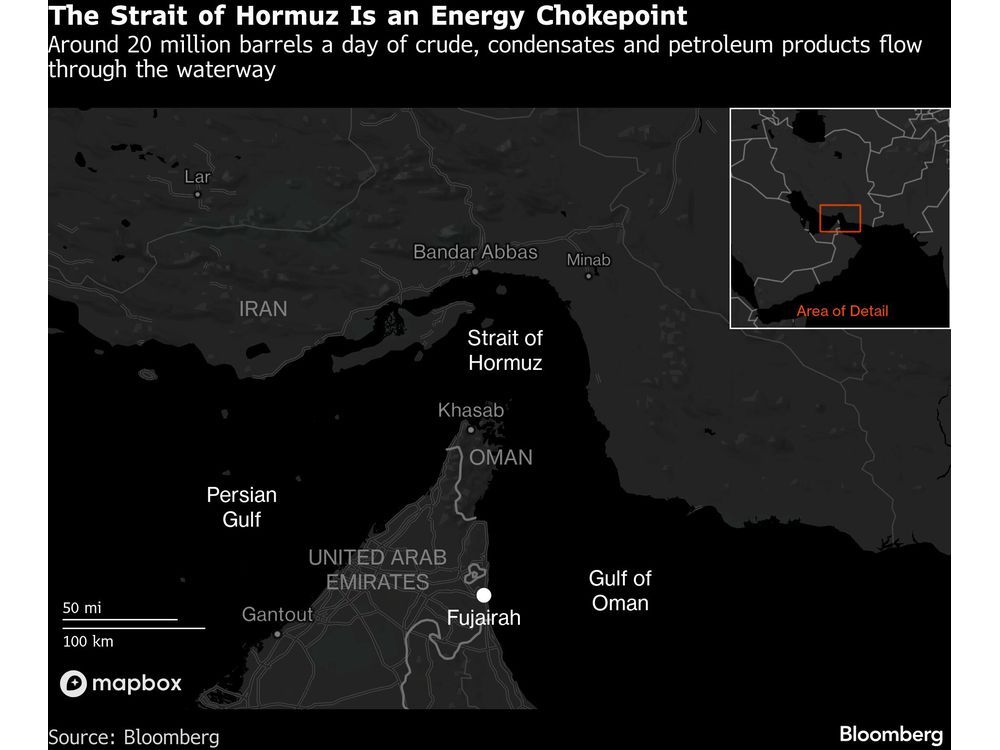
Adding to the volatile situation, the United States Maritime Administration issued updated navigational instructions for US-flagged commercial vessels transiting the Strait of Hormuz on February 10, 2026. The guidance strongly recommended that ships stay 'as far as possible' from Iranian territorial waters to avoid potential harassment or boarding attempts by Iranian forces. This advisory followed recent incidents, including an attempted boarding on February 3, 2026, and a history of Iranian forces using small boats and helicopters to stop or force commercial vessels into Iranian waters. The Strait of Hormuz is a globally critical chokepoint through which a significant portion of the world's seaborne-traded crude oil passes daily, making any disruption a major concern for international energy markets and global trade.
The overall context for these developments was a period of sustained high tension between the US and Iran. This included previous incidents like Iran shooting down a US drone in June 2019 and attacks on oil tankers in the Gulf of Oman, which the US blamed on Iran. The US had also been bolstering its military presence in the region, including the deployment of aircraft carriers and destroyers, aimed at deterring Iranian aggression. Iranian officials, in turn, had warned of their readiness to defend themselves forcefully against any aggression and had conducted their own naval drills in the Strait of Hormuz.
The implications for an Indian audience are significant. India is a major importer of crude oil, with a substantial portion transiting through the Strait of Hormuz. Any escalation in the US-Iran conflict, including potential military strikes or closure of the strait, would directly impact global oil prices and shipping routes, leading to severe economic repercussions for India. The stability of the Middle East is thus paramount for India's energy security and economic well-being. The calls for military action and the increased maritime warnings signal a highly volatile geopolitical environment that India must closely monitor.
Frequently Asked Questions
Who is Reza Pahlavi and what are his demands regarding Iran?
Reza Pahlavi is the exiled son of Iran's last Shah and a prominent opposition figure. In early 2026, he urged the international community, particularly the US, to carry out 'surgical strikes' against Iran's Islamic Revolutionary Guard Corps (IRGC) to weaken the regime and support Iranian protestors in their quest for liberation and democratic transition.
What was Pete Hegseth's message to Iran?
Pete Hegseth, a former US Defense/War Secretary, called on Iran to 'take Trump's deal' regarding its nuclear program. His statements, made in late January 2026, indicated that the US military was prepared to act on President Trump's expectations and warned Iran against pursuing nuclear capabilities, stressing that 'time is running out' for a diplomatic resolution.
Why did the US issue new guidance for ships in the Strait of Hormuz?
The US issued updated navigational guidance on February 10, 2026, advising US-flagged commercial vessels to stay 'as far as possible' from Iranian territorial waters in the Strait of Hormuz. This was due to persistent tensions with Iran and previous incidents, including attempts by Iranian forces to harass or board commercial ships, most recently on February 3, 2026.
What is the significance of the Strait of Hormuz in this context?
The Strait of Hormuz is a crucial global chokepoint through which a significant portion of the world's oil supply passes. Rising tensions and potential disruptions in this waterway directly impact international energy markets, global trade, and pose significant concerns for major oil-importing nations like India.
How do these tensions affect India?
As a major importer of crude oil, India is highly sensitive to stability in the Middle East and the security of shipping lanes like the Strait of Hormuz. Any escalation in US-Iran tensions, including military conflict or maritime disruptions, could lead to spikes in global oil prices and affect India's energy security and economic stability.