Bangladesh Measles Outbreak: Over 555 Children Dead Amid Worsening Crisis
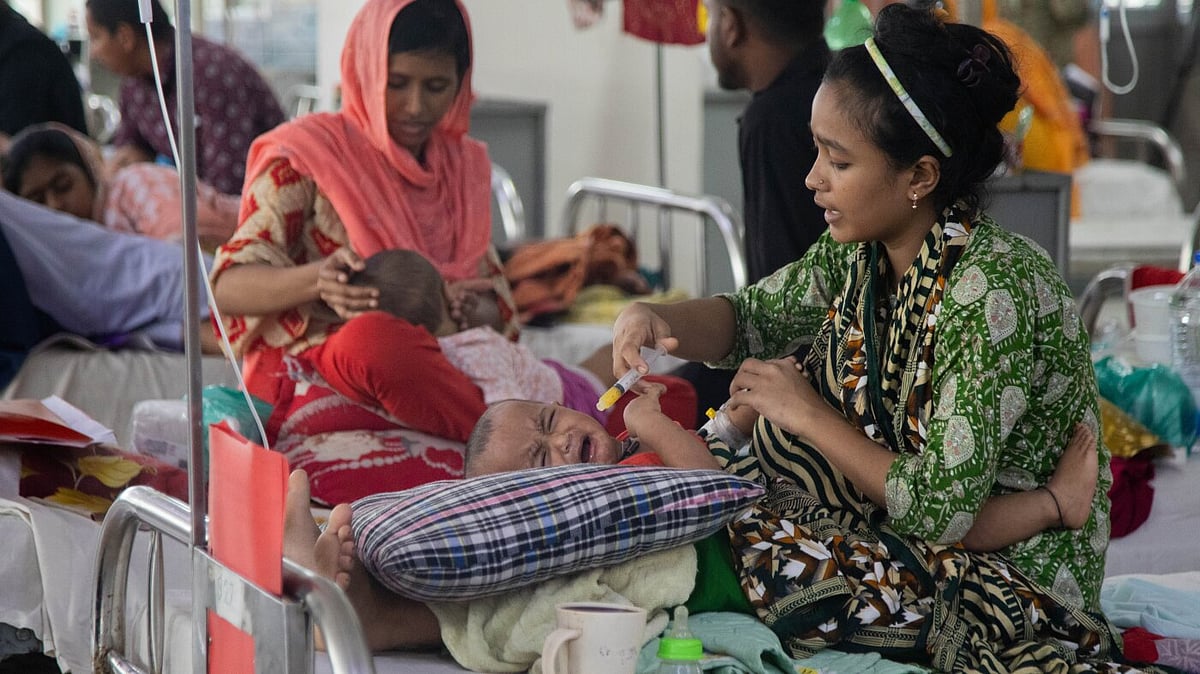
Bangladesh is grappling with a severe measles outbreak, with the death toll rising to over 555 children since March 15th. The crisis, marked by a surge in cases and overwhelmed hospitals, is attributed to a significant drop in vaccination rates. The government, in collaboration with international organizations, has launched an emergency vaccination campaign to curb the spread.
Key Highlights
- Over 555 children have died from measles in Bangladesh.
- The outbreak began in mid-March 2026.
- Vaccination rates have significantly decreased.
- An emergency mass vaccination campaign is underway.
- Hospitals are overwhelmed with a high number of cases.
- Children under five years old are most affected.
Bangladesh is currently facing a devastating measles outbreak, with the death toll exceeding 555 children as of May 26, 2026. The crisis, which began in mid-March 2026, has seen a dramatic increase in suspected and confirmed cases, overwhelming healthcare facilities across the country. The Directorate General of Health Services (DGHS) has reported that while one of the latest reported deaths was confirmed as measles-related, nine others were classified as suspected, bringing the total toll to 555 since March 15. In the 24 hours preceding the report, an additional 1,083 patients with measles-like symptoms were admitted to hospitals nationwide, with 53 of these cases being laboratory-confirmed as measles.
According to DGHS data, between March 15 and May 26, a total of 8,772 measles cases have been confirmed through laboratory testing, with 66,023 suspected cases identified. Out of these, 48,800 patients have been discharged after receiving treatment. The current outbreak is largely attributed to a sharp decline in the country's vaccination rates. Reports indicate that vaccination coverage plummeted to an all-time low of 59% during the interim government's tenure, a significant drop from a high of 91%. This decline in immunization has created substantial immunity gaps, leaving a large proportion of the population, particularly children, vulnerable to the highly contagious disease.
The most affected demographic comprises children under five years old, accounting for 81% of reported cases, with a significant number of these being infants under nine months who are not yet eligible for routine vaccination. Complications from measles, such as pneumonia and severe respiratory distress, often lead to critical conditions by the time children reach specialized hospitals, making treatment more challenging and increasing preventable deaths. The strain on the healthcare system is exacerbated by a shortage of intensive care beds and a need for more specialized treatment facilities, leading to the referral of critically ill children to Dhaka.
In response to the escalating crisis, the government of Bangladesh, in partnership with international organizations like UNICEF, the World Health Organization (WHO), and Gavi, the Vaccine Alliance, launched an emergency measles-rubella vaccination campaign on April 5, 2026. This campaign initially targeted over 1.2 million children aged 6 months to 5 years in 30 high-risk areas and has since expanded nationwide. The campaign aims to vaccinate approximately 18 million children, surpassing the initial target and reaching 102% coverage in some areas. The government is also considering extending the vaccination campaign to reach underserved and hard-to-reach areas where transmission remains high.
The outbreak has also affected vulnerable populations, including Rohingya refugees in Cox's Bazar and Bhasan Char camps, where vaccination campaigns have been conducted, reaching most targeted children. As of May 19, 2026, 166,000 children in these camps had been vaccinated, with 93.7% of the target population reached. Despite these efforts, the full impact of the vaccination campaign is expected to take months to be fully realized, and weekly measles transmission remains high in many areas. The situation has prompted Bangladesh to request the WHO to conduct a preliminary inquiry into the worsening measles situation.
The article from United News of India (UNI) reports a death toll of 555 as of May 26, 2026, with 10 more children dying in the preceding 24 hours. This aligns with other reports from the same date, which also cite a death toll of 555 and detail the number of confirmed and suspected cases. The NPR article from May 24, 2026, reported over 500 children dead, with 528 deaths as of that Sunday. The Wikipedia entry for the 2026 Bangladesh measles outbreak also provides similar figures, stating 467 deaths with suspected symptoms and 88 confirmed deaths as of May 26, 2026. These figures, while varying slightly in the breakdown between confirmed and suspected deaths, are generally consistent and indicate a severe and ongoing crisis.
Frequently Asked Questions
What is the current death toll from the measles outbreak in Bangladesh?
As of May 26, 2026, the death toll from the measles outbreak in Bangladesh has reached over 555 children.
When did the measles outbreak in Bangladesh begin?
The measles outbreak in Bangladesh began in mid-March 2026.
What are the main causes of the measles outbreak in Bangladesh?
The outbreak is largely attributed to a significant drop in childhood vaccination rates, leading to immunity gaps, and overwhelmed healthcare facilities.
What measures are being taken to combat the outbreak?
An emergency mass measles-rubella vaccination campaign has been launched nationwide with support from UNICEF, WHO, and Gavi, the Vaccine Alliance.
Which age group is most affected by the outbreak?
Children under five years old are disproportionately affected by the measles outbreak.