Assam and Arunachal Floods: Over 22,000 Affected, Bridge Collapses
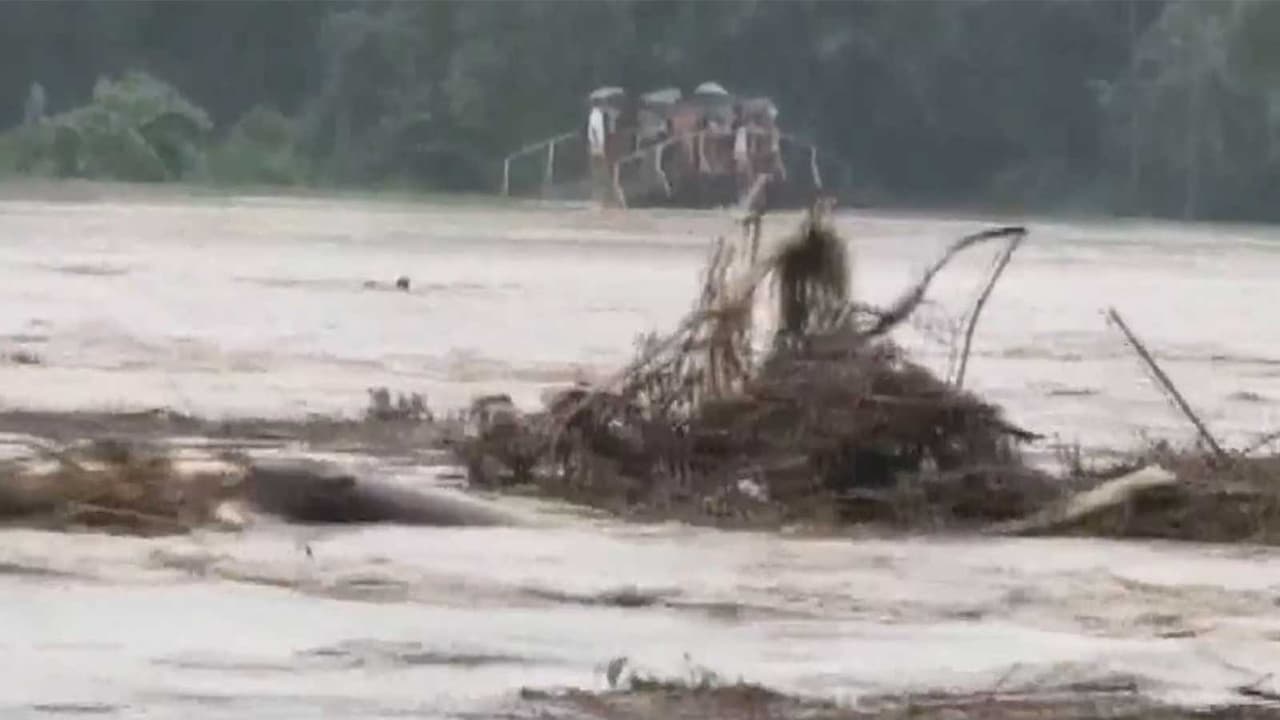
Flash floods have severely impacted Assam and Arunachal Pradesh, affecting over 22,000 people and causing a railway bridge collapse. The situation has prompted a high-level response, with authorities working on relief and restoration efforts.
Key Highlights
- Assam and Arunachal Pradesh face severe flash floods.
- Over 22,000 people have been affected by the deluge.
- A critical railway bridge in Assam has collapsed.
- Union Minister Amit Shah has discussed the situation with Assam CM.
- Deforestation and construction are cited as potential causes for the bridge collapse.
Assam and Arunachal Pradesh are grappling with a severe flood situation caused by intense rainfall and flash floods. The deluge has affected more than 22,000 people across various districts, displacing communities and causing significant damage to infrastructure. In a worrying development, a railway bridge in Assam has collapsed, disrupting connectivity and raising concerns about the integrity of infrastructure in the region. This incident highlights the vulnerability of the region to natural calamities exacerbated by developmental activities.
The gravity of the situation has led to intervention from the highest levels of government. Union Home Minister Amit Shah has spoken with Assam Chief Minister Himanta Biswa Sarma to take stock of the flood-like conditions and discuss relief measures. The focus is on providing immediate assistance to the affected population, including temporary shelters, food, and medical aid. Evacuation efforts are underway in low-lying areas most susceptible to further inundation.
Beyond the immediate crisis, the collapse of the railway bridge has ignited discussions about its underlying causes. Preliminary reports from railway staff suggest that deforestation and ongoing construction activities in the vicinity might have contributed to the structural failure of the Kemi railway bridge. This points towards a larger issue of environmental degradation and the need for sustainable development practices in ecologically sensitive zones. Environmental experts and concerned citizens have long warned about the consequences of unchecked deforestation and construction in hilly and riverine areas, which can destabilize soil and increase the risk of landslides and structural collapses during heavy rainfall.
The Indian Meteorological Department (IMD) has issued warnings for continued rainfall in the northeastern states, indicating that the flood situation might persist or worsen in the coming days. Disaster response teams are on high alert, and efforts are being coordinated between state governments, the National Disaster Response Force (NDRF), and central agencies to manage the crisis effectively. The affected states are mobilizing resources for rescue operations, including boats, relief camps, and essential supplies.
This recurring flood scenario in Assam and Arunachal Pradesh underscores the need for long-term solutions and proactive climate adaptation strategies. Articles like 'Assam Needs a Climate Mobility Plan, Not Just Flood Relief' suggest that while immediate relief is crucial, addressing the root causes of increased vulnerability is paramount. This includes investing in robust flood control infrastructure, implementing stricter environmental regulations, promoting afforestation drives, and developing comprehensive disaster preparedness and evacuation plans. The focus should shift from mere reactive measures to building resilience against the escalating impacts of climate change.
The economic impact of these floods is also significant, with damage to crops, homes, and public utilities. Restoring normalcy will require substantial financial aid and a concerted effort to rebuild damaged infrastructure. The railway bridge collapse, in particular, will have long-term implications for transportation and trade in the region, necessitating urgent repairs or the construction of an alternative route. The government's response will be closely watched, not just for its immediate effectiveness but also for its commitment to addressing the systemic issues that contribute to these recurring natural disasters. The situation demands a multi-faceted approach that combines disaster management, environmental conservation, and sustainable development planning to safeguard the lives and livelihoods of the people in the northeastern states.
Frequently Asked Questions
What are the main affected regions in India by the recent flash floods?
The recent flash floods have primarily affected the northeastern Indian states of Assam and Arunachal Pradesh.
How many people have been impacted by these floods?
Over 22,000 people have been affected by the severe flood situation in Assam and Arunachal Pradesh.
What significant infrastructure damage has occurred due to the floods?
A railway bridge in Assam has collapsed due to the flash floods, disrupting connectivity in the region.
What factors are being considered as potential causes for the railway bridge collapse?
Preliminary reports suggest that deforestation and ongoing construction activities near the bridge might have contributed to its collapse.
Has the central government responded to the flood situation?
Yes, Union Home Minister Amit Shah has discussed the flood-like conditions with Assam Chief Minister Himanta Biswa Sarma and reviewed relief measures.